Dr Amit Saoji | Orthopedic Surgeon In Nagpur | Orthopedic Doctor in Nagpur

Hip Replacement Surgery In Nagpur
Hip pain can make simple activities such as walking, climbing stairs, or sitting uncomfortable. Moreover, persistent hip problems can gradually affect your mobility and daily routine. Therefore, Hip Replacement Surgery In Nagpur can offer a treatment option for patients whose hip joint damage causes significant pain and functional limitations. At Saoji Orthopedic Hospital, patients can consult an orthopedic specialist to understand their condition and available treatment choices. In addition, the specialist considers symptoms, medical history, physical examination findings, and imaging results before recommending surgery. As a result, patients can make informed decisions about their hip health.
What Is Hip Replacement Surgery? | Hip Replacement Surgery In Nagpur
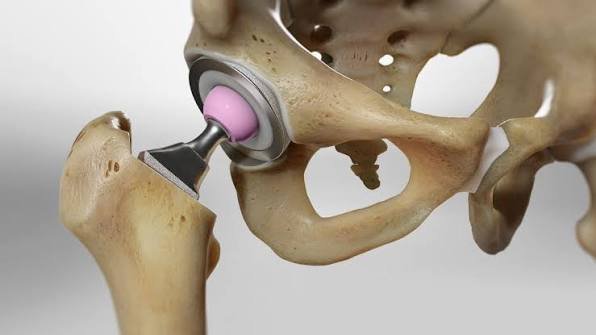
Hip replacement surgery involves replacing damaged parts of the hip joint with artificial components. Moreover, the procedure aims to reduce pain and improve joint function when severe hip damage limits everyday movement. Therefore, an orthopedic surgeon first evaluates whether hip replacement suits the patient’s condition.During the procedure, the surgeon removes the damaged joint surfaces and places suitable prosthetic components. In addition, the surgeon selects the implant and surgical approach according to the patient’s anatomy, health, and clinical requirements. As a result, each surgical plan can differ from one patient to another.
When Do You Need Hip Replacement Surgery?
Doctors may consider hip replacement when hip damage causes ongoing pain and significantly affects daily activities. Moreover, conditions such as advanced osteoarthritis, certain fractures, rheumatoid arthritis, or avascular necrosis can damage the hip joint. Therefore, patients with persistent symptoms should seek an orthopedic evaluation instead of relying on self-treatment.Common signs may include hip pain, stiffness, reduced movement, difficulty walking, and discomfort during routine activities. In addition, some patients may experience pain that interferes with sleep or exercise. As a result, a detailed evaluation can help determine whether conservative treatment or surgery may provide a suitable option.
Common Conditions That May Affect the Hip
Several conditions can gradually or suddenly damage the hip joint. Moreover, the severity and progression can vary from person to person. Therefore, an orthopedic specialist needs to identify the underlying cause before recommending treatment.
Common Hip Conditions Include:- Hip osteoarthritis
- Avascular necrosis
- Hip fractures
- Rheumatoid arthritis
- Severe cartilage damage
- Certain traumatic hip injuries
- Advanced joint degeneration
Hip Osteoarthritis and Replacement Surgery
Hip osteoarthritis can gradually damage the cartilage that helps the joint move smoothly. Moreover, cartilage deterioration can cause pain, stiffness, and reduced mobility. Therefore, patients with advanced symptoms may require specialist assessment to understand their treatment options.Doctors often begin with appropriate non-surgical measures when they can provide meaningful relief. However, severe joint damage may require consideration of hip replacement surgery. In addition, the surgeon evaluates the extent of joint damage before discussing the procedure. As a result, patients can understand why surgery may or may not suit their condition.
Hip Replacement for Avascular Necrosis
Avascular necrosis can affect the blood supply to the bone and may cause progressive damage to the hip joint. Moreover, advanced cases can lead to joint collapse and significant pain. Therefore, early orthopedic assessment can help identify the condition and determine suitable management.Treatment depends on the stage of the condition and the amount of joint damage. In addition, doctors may consider joint-preserving approaches in selected early cases. However, advanced joint damage may require hip replacement surgery. As a result, timely evaluation can help patients understand their available options.
Benefits of Hip Replacement Surgery
Hip replacement surgery can help suitable patients manage pain and improve hip function. Moreover, many patients seek surgery because hip problems interfere with walking, work, exercise, or routine activities. Therefore, successful treatment may help patients work toward improved mobility.Potential benefits can include reduced joint pain, improved movement, better ability to perform daily activities, and improved quality of life. However, results vary according to the patient’s condition, overall health, rehabilitation, and other factors. In addition, patients should discuss expected outcomes and potential risks with their orthopedic surgeon before surgery.
Evaluation Before Hip Replacement
A detailed evaluation helps the orthopedic surgeon understand the condition of the hip joint. Moreover, proper assessment allows the surgeon to determine whether hip replacement represents an appropriate treatment option. Therefore, patients should provide complete information about their symptoms and previous treatments.The evaluation may include a medical history, physical examination, movement assessment, and imaging such as X-rays. In addition, the doctor may review previous reports, medications, activity levels, and existing health conditions. As a result, the surgeon can create a treatment plan based on the patient’s individual needs.
Recovery After Hip Replacement Surgery
Recovery after hip replacement requires patience and active participation. Moreover, rehabilitation plays an important role in helping patients regain strength, mobility, and confidence. Therefore, patients should follow their orthopedic and physiotherapy team’s recommendations.The rehabilitation program may include walking practice, strengthening exercises, mobility work, and gradual progression of daily activities. In addition, the medical team monitors recovery and provides guidance about activity levels. As a result, patients can gradually work toward returning to suitable everyday activities.
Physiotherapy After Hip Replacement
Physiotherapy supports the recovery process after hip replacement surgery. Moreover, appropriate exercises can help improve muscle strength, joint movement, balance, and functional ability. Therefore, patients should follow an individualized rehabilitation program.A physiotherapist may introduce exercises according to the patient’s recovery stage and physical capacity. In addition, the program can progress as strength and mobility improve. As a result, patients can gradually increase their activity while following
Why Choose Specialist Hip Replacement Care In Nagpur?
Choosing an experienced orthopedic team can help patients understand their condition and treatment options more clearly. Moreover, hip replacement requires careful evaluation, surgical planning, and rehabilitation support. Therefore, patients should discuss their concerns and expectations openly with their orthopedic specialist.At Saoji Orthopedic Hospital, patients can seek evaluation for hip pain, arthritis, avascular necrosis, fractures, and other orthopedic conditions. In addition, the team can guide suitable patients through treatment planning and recovery. As a result, patients can approach their hip care with greater clarity.
Frequently Asked Questions
Hip replacement surgery replaces damaged parts of the hip joint with artificial components to help suitable patients manage pain and improve joint function.
Patients with significant hip joint damage, persistent pain, and major functional limitations may require an orthopedic evaluation for hip replacement.
No. Doctors may recommend non-surgical treatments when they can provide suitable relief. Surgery depends on the patient’s condition and joint damage.
Recovery varies among patients. Moreover, rehabilitation, overall health, age, and activity level can influence the recovery process.
Physiotherapy often supports recovery by improving strength, mobility, balance, and functional movement. Therefore, patients should follow their rehabilitation plan.
Book Your Appointment Today
If hip pain continues to affect your mobility and daily life, consider consulting an orthopedic specialist for a detailed evaluation. Moreover, Hip Replacement Surgery In Nagpur may provide an option for suitable patients with significant hip joint damage. Therefore, a professional assessment can help determine whether surgery, conservative care, or another treatment approach fits your condition.
In addition, bring previous X-rays, MRI reports, prescriptions, and medical records to your consultation when available. As a result, your orthopedic specialist can review your medical history and discuss the next steps more effectively. Book An Appointment