
Dr Amit Saoji | Orthopedic Surgeon In Nagpur | Orthopedic Doctor in Nagpur

Knee Fracture Surgery In Nagpur
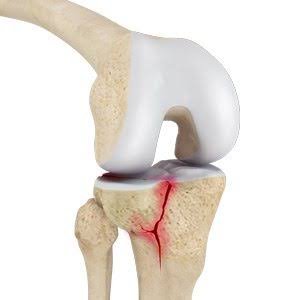
A knee fracture can cause sudden pain, swelling, difficulty walking, and limited movement. Moreover, a fracture around the knee can affect the joint surface and surrounding structures, so timely orthopedic evaluation matters. Therefore, Knee Fracture Surgery In Nagpur may help suitable patients restore knee alignment and support functional recovery. At Saoji Orthopedic Hospital, patients can consult an orthopedic specialist for a detailed assessment. In addition, the doctor reviews the injury, physical symptoms, and imaging reports before recommending a treatment plan. As a result, patients can understand the fracture and make informed decisions about their care.
Knee Fracture Surgery In Nagpur

What Is a Knee Fracture? | Knee Fracture Surgery In Nagpur

A knee fracture refers to a break in one of the bones that forms or supports the knee joint. Moreover, the patella, lower end of the femur, and upper end of the tibia can sustain different types of fractures. Therefore, doctors need to identify the exact location and pattern of the fracture before selecting treatment.Some fractures remain stable and may respond to appropriate non-surgical care. However, displaced, unstable, or joint-involving fractures may require surgical management. In addition, the patient’s age, activity level, overall health, and injury severity can influence treatment decisions. As a result, every fracture requires an individualized orthopedic assessment.

Common Causes of Knee Fractures

Knee fractures can occur after high-impact accidents, falls, sports injuries, or direct blows to the knee. Moreover, weakened bones can increase fracture risk in some individuals. Therefore, patients should seek medical evaluation after significant knee trauma, especially when pain or swelling develops quickly.

Common causes include:

  • Road traffic accidents
  • Sports injuries
  • Falls from a height
  • Direct impact to the knee
  • Twisting injuries with significant force
  • Osteoporosis-related fractures
  • Workplace accidents

In addition, the injury mechanism can provide useful information during diagnosis. As a result, patients should tell the orthopedic specialist exactly how the injury occurred.

Types of Knee Fractures

Different fractures require different treatment approaches. Moreover, the fracture location and stability can influence the treatment plan. Therefore, an orthopedic specialist needs to examine the knee carefully before recommending surgery or conservative treatment.

Common Types Include:
  • Patellar fractures
  • Tibial plateau fractures
  • Distal femur fractures
  • Stable fractures
  • Displaced fractures
  • Comminuted fractures
  • Joint-surface fractures
In addition, some fractures can affect nearby ligaments, cartilage, or soft tissues. As a result, doctors may evaluate the entire knee rather than focusing only on the broken bone.
Symptoms of a Knee Fracture

Knee fracture symptoms can appear immediately after an injury. Moreover, the severity of symptoms can vary according to the fracture type and injury mechanism. Therefore, patients should seek prompt medical attention when they experience significant symptoms after knee trauma.

Common symptoms include:

  • Severe knee pain
  • Swelling around the knee
  • Bruising
  • Difficulty standing
  • Difficulty walking
  • Limited knee movement
  • Tenderness around the injured area
  • Visible changes in knee shape
  • Inability to put weight on the leg

In addition, some serious fractures may cause significant instability. As a result, patients should avoid unnecessary movement and seek professional assessment after a suspected fracture.

Diagnosis Before Knee Fracture Surgery
Accurate diagnosis helps the orthopedic surgeon understand the fracture pattern and joint involvement. Moreover, a detailed evaluation helps determine whether surgery represents an appropriate treatment option. Therefore, doctors usually combine physical examination with appropriate imaging. X-rays can provide important information about bone alignment and fracture location. In addition, doctors may recommend CT scans for complex fractures involving the joint surface. As a result, detailed imaging can help the surgeon plan treatment more accurately.

When Does a Knee Fracture Need Surgery? | Knee Fracture Surgery In Nagpur

Not every knee fracture requires surgery. Moreover, stable fractures with suitable alignment may respond to non-surgical treatment in selected cases. Therefore, the orthopedic specialist considers the fracture pattern, displacement, joint involvement, and overall patient condition before recommending surgery. Surgery may become an option when the fracture causes significant displacement, instability, joint-surface involvement, or loss of normal alignment. In addition, associated injuries may influence the treatment decision. As a result, patients should rely on specialist evaluation rather than choosing treatment based only on symptoms.

Knee Fracture Surgical Treatment

Knee fracture surgery focuses on restoring appropriate bone alignment and supporting healing. Moreover, the surgeon selects the fixation method according to the fracture location and pattern. Therefore, the surgical technique can vary considerably between patients. Depending on the fracture, the surgeon may use plates, screws, wires, or other fixation devices. In addition, complex injuries may require more detailed surgical planning. As a result, individualized treatment can address the specific characteristics of the fracture.

Patellar Fracture Surgery | Knee Fracture Surgery In Nagpur

The patella, or kneecap, helps the knee extend the leg and supports normal movement. Moreover, certain patellar fractures can disrupt the extensor mechanism and affect everyday mobility. Therefore, displaced or complex patellar fractures may require orthopedic evaluation for surgical treatment. The surgeon evaluates fracture displacement, joint-surface involvement, and knee function before selecting a treatment approach. In addition, rehabilitation focuses on gradually restoring knee movement and strength. As a result, appropriate follow-up can support functional recovery.

Tibial Plateau Fracture Surgery

The tibial plateau forms the upper surface of the shinbone and supports the knee joint. Moreover, fractures in this area can involve the joint surface and may affect knee alignment. Therefore, some tibial plateau fractures require careful surgical planning. The orthopedic surgeon evaluates imaging findings, fracture displacement, joint involvement, and soft-tissue condition. In addition, the surgeon may use specialized fixation techniques when surgery becomes appropriate. As a result, treatment can focus on restoring alignment and protecting long-term knee function.

Frequently Asked Questions | Knee Fracture Surgery In Nagpur

Knee fracture surgery aims to restore appropriate bone alignment and stability using suitable surgical fixation techniques when conservative treatment cannot adequately manage the fracture.
No. Moreover, some stable fractures may respond to non-surgical treatment. The orthopedic specialist determines treatment according to the fracture pattern and patient condition.
Falls, road accidents, sports injuries, direct impacts, and weakened bones can cause knee fractures.
Common symptoms include severe pain, swelling, bruising, difficulty walking, restricted movement, and sometimes visible changes in knee shape.
Doctors usually perform a physical examination and use imaging such as X-rays. In addition, complex fractures may require CT imaging.

Book Your Consultation with Dr. Amit Saoji Today

A knee fracture can significantly affect mobility and daily life. Moreover, timely orthopedic assessment can help determine the fracture type and the most suitable treatment approach. Therefore, if you have experienced a knee injury with severe pain, swelling, deformity, or difficulty walking, consider consulting an orthopedic specialist. At Saoji Orthopedic Hospital, patients can discuss their knee injury and receive an individualized evaluation. In addition, bring X-rays, CT scans, MRI reports, prescriptions, and previous medical records when available. As a result, the orthopedic team can review your history and discuss the next appropriate step. Book An Appointment
Call Now Button