Dr Amit Saoji | Orthopedic Surgeon In Nagpur | Orthopedic Doctor in Nagpur

Shoulder Arthroscopy In Rewa For Advanced Shoulder Care
Shoulder Arthroscopy In Rewa provides a minimally invasive surgical option for selected shoulder conditions that cause pain, weakness, stiffness, or restricted movement. Moreover, shoulder problems can affect work, exercise, sports, and everyday activities. Therefore, an orthopedic shoulder specialist should evaluate persistent symptoms before recommending treatment. In addition, arthroscopy allows the surgeon to examine structures inside the shoulder using a small camera and specialized instruments. However, not every shoulder condition requires surgery. As a result, accurate diagnosis helps determine whether arthroscopic treatment may suit the patient.
What Is Shoulder Arthroscopy? | Shoulder Arthroscopy In Rewa
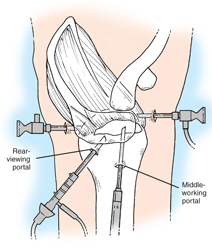
Shoulder arthroscopy uses a small camera called an arthroscope to view the structures inside and around the shoulder joint. Moreover, the surgeon can use specialized instruments through small surgical openings to treat selected problems. Therefore, arthroscopy can provide a targeted approach for suitable shoulder conditions. In addition, the surgeon can assess structures such as the rotator cuff, labrum, cartilage, and joint lining. However, the exact procedure depends on the patient’s diagnosis. As a result, an orthopedic assessment remains essential before choosing shoulder arthroscopy.
Common Shoulder Problems Treated With Arthroscopy
Several shoulder conditions may require arthroscopic evaluation or treatment. Moreover, surgeons may use shoulder arthroscopy for selected rotator cuff injuries, labral tears, shoulder instability, impingement-related problems, and some cartilage conditions. Therefore, patients with persistent shoulder pain or restricted movement should seek professional evaluation. In addition, imaging can help the specialist understand the affected structures. However, similar symptoms can have different causes. As a result, treatment should follow an individualized diagnosis rather than symptoms alone.
Rotator Cuff Treatment
The rotator cuff helps stabilize the shoulder and supports many arm movements. Moreover, repetitive overhead activity, sports, trauma, and age-related changes can contribute to rotator cuff problems. Therefore, patients may experience pain, weakness, or difficulty lifting the arm. In addition, selected rotator cuff tears may require arthroscopic repair after appropriate evaluation. However, some conditions can improve through physiotherapy and other conservative treatments. As a result, the orthopedic specialist should consider the severity of the injury and functional limitations before recommending surgery.
Shoulder Labral Tear Treatment
The labrum helps improve shoulder joint stability and supports normal shoulder movement. Moreover, sports, falls, repetitive overhead movements, and shoulder instability can contribute to labral injuries. Therefore, patients may experience pain, clicking, weakness, or a feeling of instability. In addition, selected labral injuries may require arthroscopic treatment. However, not every labral problem requires surgery. As a result, the specialist should evaluate symptoms, examination findings, imaging, activity level, and treatment response before making a recommendation.
Shoulder Instability And Arthroscopy
Shoulder instability can occur when the joint moves beyond its normal range or repeatedly slips out of position. Moreover, sports injuries and previous dislocations can contribute to recurring instability. Therefore, patients may experience weakness, apprehension, or difficulty during certain arm movements. In addition, arthroscopic stabilization may suit selected patients with persistent instability. However, treatment depends on the type and severity of instability. As a result, an orthopedic shoulder specialist should assess the joint before selecting surgical or non-surgical care.
Shoulder Impingement Problems
Shoulder impingement-type symptoms can cause pain during overhead movements and certain daily activities. Moreover, repetitive arm movements can increase discomfort in some patients. Therefore, an orthopedic assessment can help identify the underlying cause of shoulder pain. In addition, physiotherapy, activity modification, and other conservative approaches may help suitable patients. However, some structural conditions may require further evaluation. As a result, the specialist should determine whether arthroscopy or another treatment option fits the patient’s condition.
Diagnosis Before Shoulder Arthroscopy
Accurate diagnosis plays an important role in shoulder treatment. Moreover, the orthopedic specialist reviews symptoms, injury history, physical activity, previous treatments, and shoulder function. Therefore, a clinical examination can assess movement, strength, stability, and pain patterns. In addition, the doctor may recommend X-rays, MRI, ultrasound, or other suitable tests. However, imaging should complement the physical examination. As a result, a complete assessment helps the surgeon understand the shoulder problem and choose an appropriate treatment strategy.
When Is Shoulder Arthroscopy Recommended?
Doctors may consider shoulder arthroscopy when a patient has a specific structural problem that requires surgical treatment. Moreover, persistent symptoms can sometimes continue despite appropriate non-surgical management. Therefore, an orthopedic specialist may discuss arthroscopy after reviewing the patient’s diagnosis and treatment history. In addition, activity requirements and functional limitations can influence the decision. However, surgery does not automatically provide the best option for every shoulder problem. As a result, patients should discuss both surgical and non-surgical alternatives with their specialist.
Benefits Of Shoulder Arthroscopy
Shoulder arthroscopy can offer potential benefits for selected patients. Moreover, the technique allows the surgeon to view and treat specific shoulder structures through small surgical openings. Therefore, it can provide targeted access to suitable joint problems. In addition, structured rehabilitation can help restore shoulder movement and strength after surgery. However, results vary according to the condition, procedure, overall health, and rehabilitation progress. As a result, patients should discuss expected benefits, limitations, and potential risks with their orthopedic surgeon.
Recovery After Shoulder Arthroscopy | Shoulder Arthroscopy In Rewa
Recovery depends on the type of shoulder procedure, injury severity, overall health, and rehabilitation progress. Moreover, some procedures require a period of protected movement before patients gradually increase activity. Therefore, patients should follow their surgeon’s postoperative instructions carefully. In addition, physiotherapy can help restore shoulder mobility, strength, coordination, and function. However, recovery timelines vary between individuals. As a result, patients should progress through rehabilitation according to professional guidance.
Physiotherapy After Shoulder Arthroscopy
Physiotherapy plays an important role in many shoulder arthroscopy recovery plans. Moreover, rehabilitation can focus on restoring movement, reducing stiffness, improving strength, and rebuilding shoulder control. Therefore, a structured program can help patients gradually return to daily activities. In addition, therapists can modify exercises according to recovery progress. However, patients should avoid progressing too quickly without professional advice. As a result, consistent rehabilitation can support functional recovery.
Shoulder Arthroscopy For Sports Injuries | Shoulder Arthroscopy In Rewa
Sports can place significant demands on the shoulder through throwing, lifting, serving, swimming, and overhead movements. Moreover, these activities can contribute to rotator cuff, labral, and instability problems. Therefore, athletes with persistent shoulder symptoms should seek professional evaluation. In addition, selected sports injuries may benefit from arthroscopic treatment when conservative care does not provide adequate improvement. However, surgery represents only one part of recovery. As a result, rehabilitation and gradual return-to-sport training remain essential.
Returning To Sports After Shoulder Arthroscopy
Returning to sports requires adequate shoulder strength, mobility, stability, coordination, and movement control. Moreover, athletes may need progressive rehabilitation before resuming demanding activities. Therefore, a structured program can gradually introduce sport-specific movements. In addition, functional assessments can help evaluate readiness for higher activity levels. However, recovery varies according to the procedure and individual progress. As a result, athletes should return to sports according to professional guidance rather than following a fixed timeline.
Returning To Sports After Shoulder Arthroscopy
Returning to sports requires adequate shoulder strength, mobility, stability, coordination, and movement control. Moreover, athletes may need progressive rehabilitation before resuming demanding activities. Therefore, a structured program can gradually introduce sport-specific movements. In addition, functional assessments can help evaluate readiness for higher activity levels. However, recovery varies according to the procedure and individual progress. As a result, athletes should return to sports according to professional guidance rather than following a fixed timeline.
Shoulder Arthroscopy For Active Individuals
Active individuals may consider shoulder arthroscopy when persistent shoulder problems interfere with exercise, sports, work, or recreational activities. Moreover, pain and weakness can reduce confidence during overhead movements. Therefore, an orthopedic assessment can identify the underlying condition and available treatment options. In addition, rehabilitation can focus on restoring strength and shoulder control. However, arthroscopy may not suit every shoulder problem. As a result, the specialist should recommend treatment according to the diagnosis and patient’s activity goals.
Preparing For Shoulder Arthroscopy
Proper preparation can help patients understand their procedure and recovery requirements. Moreover, the surgeon may review medical history, medications, imaging, previous treatments, and overall health before surgery. Therefore, patients should provide accurate information during their preoperative assessment. In addition, understanding postoperative restrictions and physiotherapy requirements can help patients plan their recovery. However, preparation varies according to the surgical procedure. As a result, patients should follow their orthopedic team’s specific instructions.
Choosing A Shoulder Arthroscopy Specialist
When choosing a specialist for Shoulder Arthroscopy In Rewa, consider orthopedic expertise, shoulder and arthroscopy experience, diagnostic facilities, surgical support, rehabilitation services, and follow-up care. Moreover, shoulder treatment involves more than the surgical procedure itself. Therefore, patients should consider the complete journey from diagnosis to rehabilitation. In addition, clear communication can help patients understand their available treatment options. However, every shoulder condition requires an individualized approach. As a result, comprehensive orthopedic care can support informed treatment decisions.
Why Timely Shoulder Evaluation Matters
Persistent shoulder pain, weakness, stiffness, clicking, or instability can interfere with daily activities. Moreover, ongoing symptoms can affect work, exercise, sleep, and sports participation. Therefore, patients should consider professional evaluation when symptoms continue or worsen. In addition, early assessment can help identify suitable conservative and surgical treatment options. However, shoulder pain does not always require surgery. As a result, timely orthopedic consultation can help patients understand the most appropriate treatment pathway.
Frequently Asked Questions
It uses a small camera and specialized instruments to examine and treat selected shoulder problems.
It may treat selected rotator cuff, labral, instability, and other structural shoulder problems.
No. The orthopedic specialist recommends it according to the patient’s specific condition.
Yes. Selected rotator cuff tears may require arthroscopic repair.
Yes. Selected patients with recurring instability may benefit from arthroscopic stabilization.
Book An Appointment With An Shoulder Arthroscopy
If persistent shoulder pain, weakness, stiffness, clicking, or instability affects your daily activities, consider an orthopedic consultation in Rewa. Moreover, a shoulder specialist can evaluate your symptoms and recommend suitable diagnostic tests when necessary. Therefore, professional assessment can help determine whether physiotherapy, conservative treatment, arthroscopy, or another treatment option may suit your condition. In addition, early treatment planning can help you understand the recovery process. However, every surgical decision requires an individual medical assessment. Book An Appointment