Dr Amit Saoji | Orthopedic Surgeon In Nagpur | Orthopedic Doctor in Nagpur

Advanced Arthroscopic Surgery In Chhindwara
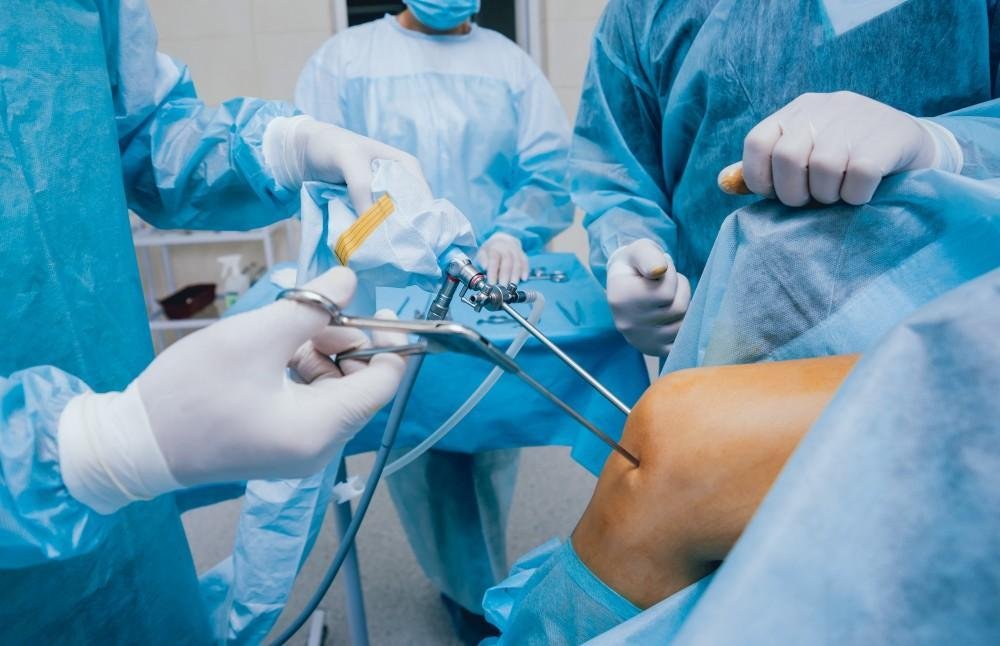
What Is Arthroscopic Surgery? | Arthroscopic Surgery In Chhindwara
Conditions Treated With Arthroscopy
Several joint conditions can benefit from arthroscopic treatment when conservative care does not provide enough improvement. Therefore, an orthopedic specialist may evaluate patients with:
- ACL and other ligament injuries
- Meniscus tears
- Cartilage damage
- Shoulder instability
- Rotator cuff problems
- Joint inflammation
- Loose bodies inside a joint
- Certain ankle injuries
- Sports-related joint injuries
Furthermore, your doctor evaluates the severity and nature of the problem before recommending surgery. However, arthroscopy does not suit every joint condition. As a result, a detailed orthopedic examination remains essential before selecting a treatment.
Arthroscopic Knee Surgery
Arthroscopic Shoulder Surgery
Why Choose Arthroscopic Surgery?
Your Arthroscopic Surgery Evaluation | Arthroscopic Surgery In Chhindwara
Recovery After Arthroscopic Surgery
Physiotherapy and Rehabilitation | Arthroscopic Surgery In Chhindwara
Why Consult an Orthopedic Specialist in Chhindwara?
Benefits of Arthroscopic Treatment | Arthroscopic Surgery In Chhindwara
Several factors can make arthroscopy useful for appropriately selected patients. Therefore, potential benefits may include:
- Small surgical openings
- Targeted access to the joint
- Detailed visualization of internal structures
- Treatment of selected joint injuries
- Potentially reduced tissue disruption
- Support for earlier controlled movement in suitable cases
- Structured rehabilitation
- Improved joint function after appropriate treatment
In addition, your doctor will explain which benefits apply to your particular procedure. However, outcomes vary according to the injury, surgical technique, and individual recovery. As a result, realistic expectations remain important before treatment.
When Might You Need Arthroscopy?
Persistent joint symptoms may require further evaluation when conservative treatment does not provide adequate improvement. Therefore, an orthopedic specialist may discuss arthroscopy if you experience:
- Persistent joint pain
- Repeated swelling
- Joint locking or catching
- Reduced range of motion
- Joint instability
- Difficulty walking or exercising
- Sports-related joint injuries
- Ongoing symptoms after an injury
- Limited improvement with conservative treatment
In addition, your doctor will identify the underlying cause before recommending surgery. However, symptoms alone cannot determine whether arthroscopy will help. As a result, professional evaluation remains essential.
Your Arthroscopic Surgery Evaluation | Arthroscopic Surgery In Chhindwara
Diagnostic Tests Before Arthroscopy
Preparing for Arthroscopic Surgery | Arthroscopic Surgery In Chhindwara
Recovery After Arthroscopic Surgery
Physiotherapy and Rehabilitation | Arthroscopic Surgery In Chhindwara
Lifestyle Tips After Arthroscopy
Risks and Considerations | Arthroscopic Surgery In Chhindwara
Why Consult an Orthopedic Specialist in Chhindwara?
Arthroscopic Surgery for Sports Injuries | Arthroscopic Surgery In Chhindwara
Frequently Asked Questions
Arthroscopic surgery uses a small camera and specialized instruments to diagnose and treat selected joint problems through small openings.
Knee and shoulder joints commonly receive arthroscopic treatment. In addition, doctors may use the technique for selected ankle, elbow, and wrist conditions.
Not every patient needs arthroscopy. Therefore, an orthopedic specialist should evaluate your condition before recommending the procedure.
Recovery varies according to the procedure and individual condition. Therefore, your doctor will provide a personalized rehabilitation timeline.
Many patients can gradually return to sports after appropriate rehabilitation. However, your doctor should confirm when you can safely resume athletic activities.