Dr Amit Saoji | Orthopedic Surgeon In Nagpur | Orthopedic Doctor in Nagpur

Knee Replacement Surgery In Betul
Persistent knee pain can make walking, climbing stairs, working, and enjoying daily activities increasingly difficult. Over time, it may also affect your posture, sleep quality, independence, and overall quality of life. Therefore, Knee Replacement Surgery In Betul can offer an option for people with severe knee damage who no longer receive enough relief from other treatments. In addition, an orthopedic specialist can evaluate your symptoms, mobility, joint condition, activity level, and medical history before recommending surgery. They may also review imaging tests and assess how the condition is affecting your daily function to determine the most appropriate treatment plan. However, knee replacement does not suit every patient, so your doctor should carefully assess your condition before suggesting the procedure. In many cases, non-surgical treatments such as medications, physiotherapy, lifestyle changes, and injections are considered first, and surgery is recommended only when these options are no longer effective in managing pain and improving movement.
What Is Knee Replacement Surgery? | Knee Replacement Surgery In Betul
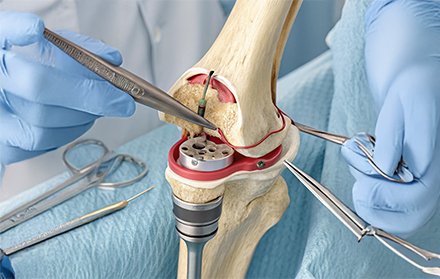
Knee replacement surgery replaces damaged joint surfaces with artificial components designed to restore smoother knee movement. Therefore, the procedure can help suitable patients manage severe pain and functional limitations caused by advanced joint damage. In addition, the surgeon selects implant components and surgical techniques according to the patient’s anatomy and condition. As a result, personalized surgical planning can support appropriate knee function after recovery.
Who May Need Knee Replacement?
People with advanced knee arthritis may experience persistent pain, stiffness, swelling, and reduced mobility. Therefore, a specialist may discuss knee replacement when these symptoms significantly interfere with everyday life and other treatments no longer provide adequate relief. In addition, factors such as joint damage, functional limitations, activity requirements, and overall health can influence the decision. However, your orthopedic doctor should determine whether surgery represents the right option for you.
Common Reasons for Knee Replacement
Several conditions can damage the knee joint over time. Therefore, doctors may consider knee replacement for selected patients with:
- Advanced osteoarthritis
- Severe rheumatoid arthritis
- Significant joint damage after injury
- Certain post-traumatic knee conditions
- Serious cartilage deterioration
- Persistent pain with major functional limitations
- Severe stiffness affecting daily movement
- Advanced joint degeneration
In addition, your orthopedic specialist will evaluate the cause and severity of your knee problem before recommending surgery.
Symptoms That May Indicate Severe Knee Damage
Severe knee problems can affect both movement and quality of life. Therefore, consider an orthopedic consultation if you experience persistent pain, significant stiffness, difficulty walking, reduced knee movement, or increasing difficulty with everyday activities. In addition, pain that interferes with sleep or prevents you from performing routine tasks deserves professional attention. As a result, an orthopedic evaluation can help you understand whether conservative treatment or joint replacement may suit your condition.
Knee Replacement Evaluation in Betul
Your orthopedic consultation usually begins with a discussion about your symptoms, medical history, previous treatments, and activity limitations. Therefore, your doctor can understand how the knee problem affects your lifestyle. In addition, a physical examination and imaging tests can help assess joint alignment, bone changes, cartilage loss, and overall knee condition. As a result, your specialist can develop a treatment recommendation based on your individual needs.
When Should You Consider Knee Replacement? | Knee Replacement Surgery In Betul
Knee replacement usually becomes a consideration when severe joint damage causes ongoing pain and limits daily activities despite appropriate non-surgical care. Therefore, your orthopedic doctor may review previous treatments such as medicines, physiotherapy, weight management, activity modification, or injections. In addition, your symptoms and imaging findings can help guide the decision. However, surgery should follow a careful discussion between you and your orthopedic specialist.
Preparing for Knee Replacement Surgery
Proper preparation can help you approach surgery with greater confidence. Therefore, your healthcare team may review your medical history, medications, general health, mobility, and other factors before the procedure. In addition, your doctor may recommend exercises or physiotherapy before surgery to support knee movement and muscle strength. As a result, appropriate preparation can help you understand the procedure and plan for your recovery.
Types of Knee Replacement | Knee Replacement Surgery In Betul
Knee replacement can involve different approaches depending on the extent and location of joint damage. Therefore, your surgeon may recommend a partial or total knee replacement based on your individual condition. In addition, the surgeon considers factors such as damaged compartments, ligament condition, alignment, age, activity level, and overall knee health. As a result, personalized planning can help identify the most suitable surgical approach.
Partial Knee Replacement
Partial knee replacement focuses on the damaged portion of the knee when the remaining joint structures meet the appropriate criteria. Therefore, this option may suit carefully selected patients with damage limited to a specific compartment. In addition, your surgeon will evaluate the condition of the rest of the knee before recommending this approach. However, not every patient with arthritis qualifies for partial replacement.
Total Knee Replacement | Knee Replacement Surgery In Betul
Total knee replacement addresses extensive damage involving multiple areas of the knee joint. Therefore, surgeons may consider this procedure for patients with advanced joint degeneration and significant functional limitations. In addition, the surgeon removes damaged joint surfaces and places artificial components according to the surgical plan. As a result, suitable patients can work toward improved knee function and reduced joint pain after recovery.
Modern Knee Replacement Techniques
Modern knee replacement combines detailed planning, surgical precision, appropriate implant selection, and structured rehabilitation. Therefore, your orthopedic team can choose techniques according to your anatomy and medical requirements. In addition, advanced imaging and surgical planning tools may assist the team when appropriate. However, the best technique depends on the patient’s individual condition rather than a single approach for everyone.
Pain Management After Surgery | Knee Replacement Surgery In Betul
Pain management forms an important part of the early recovery period. Therefore, your medical team can create a pain-control plan based on your procedure and individual needs. In addition, prescribed medicines, physical therapy, and appropriate movement can support comfort during recovery. As a result, effective pain management can help you participate more comfortably in your rehabilitation program.
Physiotherapy After Knee Replacement
Physiotherapy plays an important role in knee replacement recovery. Therefore, your rehabilitation program may focus on improving knee movement, muscle strength, balance, walking ability, and functional control. In addition, your physiotherapist can gradually increase exercises according to your progress. However, you should follow professional instructions and avoid pushing the knee beyond recommended limits.
Walking After Knee Replacement | Knee Replacement Surgery In Betul
Walking forms an important part of functional recovery after knee replacement. Therefore, your rehabilitation team may introduce walking exercises and gradually increase activity according to your condition. In addition, your healthcare team can guide you on using walking aids when necessary. As a result, gradual practice can help you develop strength, balance, and confidence during everyday movement.
Returning to Daily Activities
Recovery involves gradually rebuilding your ability to perform normal activities. Therefore, your orthopedic and rehabilitation team can guide you through movements such as sitting, standing, climbing stairs, and walking. In addition, your progress depends on your strength, mobility, overall health, and adherence to rehabilitation. As a result, following your personalized recovery plan can support a steady return to routine activities.
Knee Replacement for Active Adults | Knee Replacement Surgery In Betul
Active adults may seek knee replacement when severe joint damage prevents them from participating comfortably in everyday activities. Therefore, your surgeon can consider your work, exercise habits, mobility requirements, and personal goals during treatment planning. In addition, rehabilitation can focus on restoring functional strength and movement. However, your healthcare team should determine which activities suit your knee after recovery.
Knee Replacement for Older Adults
Age alone does not determine whether someone can undergo knee replacement. Therefore, doctors consider overall health, mobility, joint condition, medical history, and functional needs when evaluating older patients. In addition, appropriate preparation and rehabilitation can support recovery. As a result, older adults can discuss their individual goals and concerns with an orthopedic specialist before making a treatment decision.
Nutrition and Lifestyle During Recovery | Knee Replacement Surgery In Betul
Healthy lifestyle habits can support general recovery after surgery. Therefore, patients should follow a balanced diet, maintain appropriate hydration, prioritize sleep, and follow their healthcare team’s recommendations. In addition, gradual physical activity can support strength and mobility as recovery progresses. However, patients with specific dietary or medical requirements should discuss these needs with their healthcare professionals.
Follow-Up After Knee Replacement
Regular follow-up appointments help your orthopedic team monitor your recovery. Therefore, your doctor may assess knee movement, walking ability, pain, swelling, strength, and overall function during scheduled visits. In addition, follow-up appointments allow you to discuss concerns or changes in your recovery. As a result, your healthcare team can adjust your rehabilitation plan when appropriate.
Choosing a Knee Replacement Surgeon in Betul
When searching for Knee Replacement Surgery In Betul, consider the orthopedic surgeon’s experience with knee replacement, diagnostic approach, surgical facilities, implant options, rehabilitation support, and follow-up care. Therefore, ask questions about the recommended procedure and expected recovery. In addition, discuss potential risks, alternatives, activity restrictions, and rehabilitation requirements. As a result, you can make a more informed decision about your treatment.
Frequently Asked Questions
Knee replacement surgery replaces damaged joint surfaces with artificial components to improve knee function.
Patients with advanced arthritis or serious knee damage may consider replacement when pain and mobility problems continue despite appropriate non-surgical treatment.
No. Therefore, an orthopedic specialist must evaluate your joint condition, symptoms, health, mobility, and previous treatments before recommending surgery.
Partial replacement addresses a suitable damaged section of the knee, while total replacement addresses more extensive joint damage. Therefore, your surgeon will recommend an approach according to your knee condition.
In addition, rehabilitation usually plays an important role in improving knee movement, strength, balance, walking ability, and everyday function.
Patients generally progress toward walking after surgery under professional guidance. However, your healthcare team will determine the appropriate activity level according to your recovery.
Knee replacement can help suitable patients manage severe joint-related pain and improve functional ability. However, outcomes vary according to individual health, joint condition, rehabilitation, and other factors.
Book a Knee Replacement Consultation in Betul
If severe knee pain limits your mobility and affects your everyday life, consider consulting an experienced orthopedic specialist. Therefore, a detailed evaluation can help you understand the condition of your knee and available treatment choices. In addition, bring previous X-rays, MRI reports, prescriptions, and medical records when available. Book an appointment for Knee Replacement Surgery In Betul and discuss your symptoms, treatment options, surgical expectations, and recovery goals with an orthopedic specialist. Book An Appointment