
Dr Amit Saoji | Orthopedic Surgeon In Nagpur | Orthopedic Doctor in Nagpur

ACL Surgery In Jabalpur
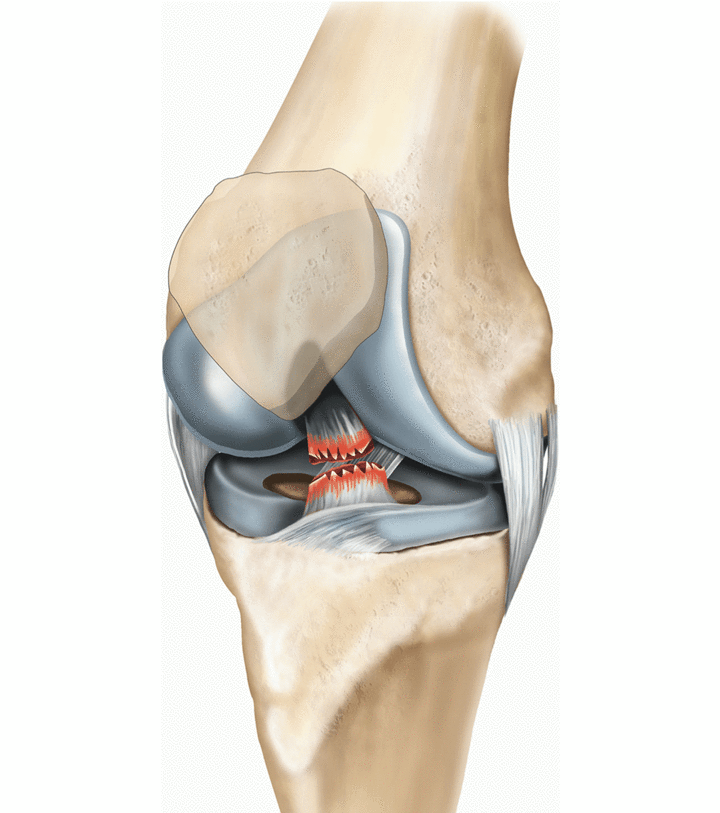
If you experience knee instability, repeated swelling, or difficulty walking after a sports injury, an ACL injury may affect your daily activities. Moreover, timely diagnosis can help you understand the severity of the ligament damage and choose the right treatment. Therefore, patients looking for ACL Surgery In Jabalpur can seek an experienced orthopedic specialist for a detailed knee evaluation. In addition, modern diagnostic methods and minimally invasive surgical techniques can support effective ACL treatment and rehabilitation.
ACL Surgery In Jabalpur

What Is an ACL Injury? | ACL Surgery In Jabalpur

The anterior cruciate ligament, or ACL, connects the thigh bone to the shin bone and helps stabilize the knee. Moreover, sudden twisting, jumping, landing, or direct impact can injure this important ligament. Therefore, an ACL tear can cause pain, swelling, a feeling of instability, and difficulty with sports or physical activities. In addition, some people may hear a popping sound when the injury occurs. As a result, early orthopedic assessment can help identify the injury and prevent further knee problems.

When Do You Need ACL Surgery?

Not every ACL injury requires surgery. However, doctors may recommend surgery when a complete tear causes significant knee instability, especially in active individuals who want to return to sports or demanding physical activities. Moreover, associated meniscus or cartilage injuries may also influence the treatment decision. Therefore, an orthopedic specialist should evaluate your symptoms, activity level, knee stability, and imaging results before recommending ACL reconstruction. In addition, the doctor may consider physiotherapy before or after surgery to improve knee strength and movement.

ACL Surgery In Jabalpur: What Does the Procedure Involve?

ACL surgery usually involves reconstructing the damaged ligament with a suitable tendon graft. Moreover, surgeons commonly perform ACL reconstruction using arthroscopic techniques, which allow them to work through small incisions around the knee. Therefore, the procedure can address the torn ligament while limiting tissue disruption. In addition, the surgeon may treat related meniscus or cartilage problems during the same procedure when necessary. As a result, a personalized surgical plan can support knee stability and help patients progress toward their activity goals.
Why Choose ACL Reconstruction?
A damaged ACL can continue to cause knee instability during turning, running, jumping, or sudden movements. Moreover, repeated instability may place additional stress on other structures inside the knee. Therefore, suitable patients may benefit from ACL reconstruction to restore functional stability. In addition, successful recovery depends on several factors, including the surgical technique, graft selection, rehabilitation program, and patient participation. As a result, following the orthopedic specialist’s recovery plan plays an important role in achieving the best possible functional outcome.
Symptoms of an ACL Tear

Recognizing common ACL injury symptoms can encourage timely medical evaluation. Moreover, symptoms can vary depending on the severity of the injury and any associated damage. Therefore, consult an orthopedic specialist if you experience:

  • Sudden knee pain after a twisting or impact injury
  • A popping sensation at the time of injury
  • Rapid swelling around the knee
  • Difficulty putting weight on the affected leg
  • A feeling that the knee may give way
  • Reduced knee movement
  • Difficulty running, jumping, or changing direction
  • Repeated knee instability during physical activity

In addition, persistent symptoms deserve professional evaluation rather than prolonged self-treatment.

How Do Doctors Diagnose an ACL Injury?

Doctors begin the evaluation by discussing how the injury happened and reviewing your symptoms. Moreover, a physical examination can help assess knee movement and ligament stability. Therefore, the doctor may recommend imaging tests when necessary to understand the injury more clearly. In addition, MRI can help assess the ACL and identify associated injuries involving the meniscus, cartilage, or other soft tissues. As a result, a detailed diagnosis helps the orthopedic specialist select an appropriate treatment approach.

Arthroscopic ACL Reconstruction

Arthroscopic ACL reconstruction uses a small camera and specialized instruments to treat the injured knee. Moreover, the surgeon makes small openings around the knee to access the joint and reconstruct the damaged ligament. Therefore, arthroscopy can provide a minimally invasive approach for suitable patients. In addition, the surgeon carefully positions the graft to support knee stability and functional movement. As a result, patients can begin a structured rehabilitation program after the procedure according to their individual recovery plan.

ACL Surgery Recovery

Recovery after ACL surgery requires patience, rehabilitation, and regular follow-up. Moreover, your orthopedic team may recommend exercises to improve knee movement, muscle strength, balance, and stability. Therefore, you should follow the rehabilitation schedule and avoid returning to demanding activities too quickly. In addition, your doctor or physiotherapist can gradually increase activity as your knee improves. As a result, recovery timelines can differ from person to person, and your healthcare team should guide your return to work, exercise, and sports.

Physiotherapy After ACL Surgery

Physiotherapy forms an important part of ACL surgery recovery. Moreover, rehabilitation can help restore knee movement and strengthen the muscles around the knee. Therefore, a physiotherapist may introduce exercises in stages based on your progress. In addition, rehabilitation can focus on balance, coordination, strength, and movement control as recovery advances. As a result, consistent participation can help you regain confidence in your knee and safely progress toward your normal activities.

Benefits of Getting Timely ACL Treatment

Timely evaluation can help you understand the condition of your knee and available treatment options. Moreover, early medical guidance can help you avoid unnecessary delays when the injury causes significant instability. Therefore, patients searching for an ACL surgeon in Jabalpur should consider an orthopedic specialist who evaluates each case individually. In addition, a complete treatment plan should include diagnosis, appropriate treatment, rehabilitation, and follow-up. As a result, patients can make informed decisions about their knee health.

Who May Benefit From ACL Surgery?

ACL reconstruction may suit people with significant ligament instability who want to return to sports, physically demanding work, or active lifestyles. Moreover, doctors may consider surgery when conservative treatment does not provide adequate knee stability. Therefore, the decision should depend on your individual condition rather than the injury alone. In addition, age, activity level, associated knee injuries, general health, and personal goals can influence treatment planning. As a result, an orthopedic consultation remains essential before choosing ACL surgery.

Why Consider ACL Surgery In Jabalpur?

Choosing the right orthopedic care can make the treatment journey more organized and comfortable. Moreover, patients can discuss their symptoms, diagnostic reports, treatment choices, surgical expectations, and rehabilitation plan with a qualified specialist. Therefore, if you are searching for ACL Surgery In Jabalpur, schedule an orthopedic consultation for a personalized evaluation. In addition, ask questions about the recommended procedure, rehabilitation, expected recovery, and follow-up care. As a result, you can make a well-informed decision based on your individual knee condition.

Factors That Can Affect ACL Surgery Planning

Several factors can influence the treatment plan for an ACL injury. Moreover, every knee injury has different characteristics, so doctors assess each patient individually. Therefore, your orthopedic specialist may consider:

  • Severity and location of the ACL tear
  • Overall knee stability
  • Presence of meniscus damage
  • Cartilage condition
  • Age and physical activity level
  • Sports or work-related requirements
  • Previous knee injuries
  • Muscle strength and knee mobility
  • General fitness before surgery
  • Expected activity goals after recovery

In addition, these factors help the specialist create a treatment approach that matches your knee condition and lifestyle.

ACL Graft Options

During ACL reconstruction, the surgeon needs a graft to replace the damaged ligament. Moreover, different graft choices can suit different patients and activity requirements. Therefore, your surgeon may discuss options such as:

  • Patellar tendon graft
  • Hamstring tendon graft
  • Quadriceps tendon graft
  • Donor tissue graft in selected cases

In addition, your surgeon will consider your age, activity level, knee condition, and personal requirements when discussing graft selection. As a result, a personalized approach can help support the reconstruction plan.

Preparing for ACL Surgery

Good preparation can help you approach surgery with greater confidence. Moreover, your orthopedic team may provide specific instructions before the procedure. Therefore, you should:

  • Complete recommended medical tests
  • Share your current medications with your doctor
  • Discuss existing medical conditions
  • Arrange transportation for the hospital visit
  • Prepare comfortable clothing for recovery
  • Organize assistance for the initial recovery period
  • Follow pre-surgery eating and drinking instructions
  • Complete recommended prehabilitation exercises

In addition, following your medical team’s instructions can help you prepare safely for the procedure.

What Can Prehabilitation Do Before ACL Surgery?

Prehabilitation focuses on improving knee condition before reconstruction when appropriate. Moreover, swelling, stiffness, and muscle weakness can affect knee function. Therefore, your physiotherapist may recommend suitable exercises before surgery. In addition, improving movement and muscle control can help prepare your knee for the rehabilitation process after surgery. As a result, your orthopedic team may include prehabilitation as part of your overall treatment plan when your condition allows it.

Importance of Quadriceps Strength

The quadriceps muscles play an important role in knee function and movement. Moreover, ACL injuries can reduce confidence and strength in the affected leg. Therefore, rehabilitation often includes progressive strengthening exercises when medically appropriate. In addition, your physiotherapist can adjust exercise intensity according to your recovery stage. As a result, gradual strength development can support better control during walking, stairs, and other daily movements.

Returning to Daily Activities After ACL Surgery

Recovery involves more than returning to sports. Moreover, patients often want to resume everyday activities such as walking, climbing stairs, driving, and working. Therefore, your healthcare team can guide you through each stage according to your progress. In addition, the timing of each activity can depend on knee strength, movement, pain, swelling, and surgical findings. As a result, following individual medical guidance remains more important than following a fixed recovery schedule.

Warning Signs During ACL Recovery

Knowing when to contact your healthcare team can help you respond to unexpected problems. Moreover, recovery should progress under professional supervision. Therefore, contact your medical team if you notice:

  • Increasing rather than improving pain
  • Sudden or worsening swelling
  • Fever or unusual wound discharge
  • Significant redness around the surgical area
  • New calf pain or swelling
  • Sudden difficulty moving the leg
  • New instability after an injury
  • Any symptom that concerns you

In addition, never ignore a significant or sudden change during recovery.

Lifestyle Changes That Support Knee Health

Protecting your knee after ACL treatment requires consistent habits. Moreover, healthy routines can support overall musculoskeletal function. Therefore, consider:

  • Following your rehabilitation exercises
  • Maintaining a healthy body weight
  • Building leg strength gradually
  • Using proper exercise techniques
  • Wearing suitable footwear
  • Warming up before demanding activities
  • Increasing exercise intensity gradually
  • Avoiding sudden increases in training volume

As a result, these habits can complement your prescribed rehabilitation program and support long-term knee function.

Frequently Asked Questions

ACL surgery reconstructs a torn ligament to improve knee stability.
Doctors may recommend it for significant instability or complete ACL tears.
ACL reconstruction generally has a good safety profile when a qualified specialist performs it.
Surgeons commonly use arthroscopic techniques with small incisions.
Recovery varies, but returning to sports often requires several months of rehabilitation.
Yes, your doctor will guide you on when and how much weight you can place on your leg.
Yes. Physiotherapy helps rebuild strength, movement, balance, and knee control.

Book an Appointment for ACL Surgery In Jabalpur

Experiencing knee pain, instability, or difficulty walking after an injury? Moreover, timely orthopedic evaluation can help identify an ACL tear and suitable treatment options. Therefore, book an appointment with an experienced orthopedic specialist for a detailed knee assessment.

In addition, bring your previous MRI scans, X-rays, medical reports, and prescriptions if available. As a result, your doctor can review your condition and recommend an appropriate treatment plan.

Schedule Your Consultation Today

Book an Appointment for ACL Surgery In Jabalpur and get personalized guidance for ACL diagnosis, reconstruction, and rehabilitation.

Call now or contact the clinic to schedule your consultation.

Call Now Button