Dr Amit Saoji | Orthopedic Surgeon In Nagpur | Orthopedic Doctor in Nagpur

What is arthroscopic surgery?
Choosing Arthroscopic Surgery In Amravati can provide an option for treating selected joint problems through minimally invasive techniques. Moreover, arthroscopy allows an orthopedic surgeon to view the inside of a joint using a small camera and specialized instruments. Therefore, doctors can examine specific joint structures and address suitable problems through small access points. In addition, this approach can support treatment for selected knee, shoulder, ankle, elbow, wrist, and hip conditions. However, arthroscopy does not suit every patient or every joint problem. As a result, an orthopedic specialist should evaluate your condition before recommending this procedure.
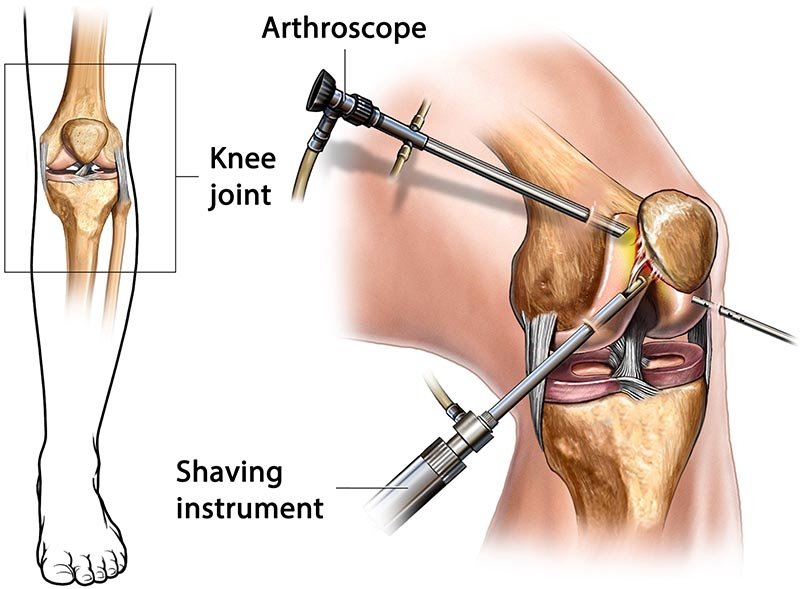
What Is Arthroscopic Surgery? | Arthroscopic Surgery In Amravati
Arthroscopic surgery uses a small camera called an arthroscope to examine the inside of a joint. Moreover, the surgeon inserts the camera through a small opening and views the joint structures on a monitor. Therefore, the surgeon can assess selected problems and use specialized instruments when treatment requires intervention. In addition, arthroscopic techniques can address certain ligament, cartilage, meniscus, and other joint conditions. However, the exact procedure depends on the patient’s diagnosis and joint involved. As a result, a detailed orthopedic consultation helps determine whether arthroscopy represents a suitable treatment option.
Conditions Treated With Arthroscopy
Arthroscopy can help treat selected orthopedic conditions affecting different joints. Moreover, surgeons commonly use this technique for certain ACL injuries, meniscus problems, cartilage damage, shoulder conditions, and joint disorders. Therefore, patients with persistent pain, stiffness, instability, or restricted movement may benefit from an orthopedic assessment. In addition, the surgeon can evaluate associated joint structures during the procedure when clinically appropriate. However, doctors choose arthroscopy according to the specific condition rather than using it for every joint problem. As a result, proper diagnosis remains essential before planning arthroscopic treatment.
Knee Arthroscopy
Knee arthroscopy can help surgeons evaluate and treat selected problems involving the knee joint. Moreover, doctors may use this technique for suitable meniscus injuries, ACL-related procedures, cartilage problems, and other joint conditions. Therefore, patients with persistent knee pain, locking, instability, or restricted movement may require specialist evaluation. In addition, arthroscopy can allow the surgeon to examine several structures inside the knee during treatment. However, treatment depends on the exact diagnosis and severity of the problem. As a result, an orthopedic consultation can help determine whether knee arthroscopy suits your condition.
Shoulder Arthroscopy
Shoulder arthroscopy can help treat selected conditions involving the shoulder joint and surrounding structures. Moreover, surgeons may use arthroscopic techniques for certain rotator cuff problems, instability, cartilage conditions, and other shoulder disorders. Therefore, patients experiencing persistent pain, weakness, stiffness, or instability may benefit from orthopedic assessment. In addition, the surgeon can examine the shoulder joint and address suitable problems during the planned procedure. However, not every shoulder condition requires arthroscopy. As a result, doctors should select the procedure after reviewing symptoms, examination findings, and diagnostic results.
ACL Arthroscopic Surgery
ACL reconstruction commonly uses arthroscopic techniques to restore stability after a significant ligament injury. Moreover, the ACL plays an important role in controlling knee movement during running, jumping, and changes in direction. Therefore, an ACL tear can affect both everyday activities and sports performance. In addition, the surgeon may assess the meniscus and cartilage during the procedure because ACL injuries can occur alongside other knee problems. However, not every ACL injury requires surgery. As a result, the orthopedic specialist considers knee stability, activity level, associated injuries, and individual recovery goals before recommending reconstruction.
Meniscus Treatment Through Arthroscopy | Arthroscopic Surgery In Amravati
The meniscus helps distribute pressure and support movement within the knee. Moreover, twisting injuries and sports activities can damage this important structure. Therefore, some patients may experience pain, swelling, clicking, locking, or difficulty moving the knee. In addition, arthroscopy can allow the surgeon to examine the meniscus and perform an appropriate procedure when clinically suitable. However, treatment depends on the location, type, and severity of the meniscus injury. As a result, professional diagnosis helps determine whether arthroscopic treatment can benefit the patient.
Benefits Of Arthroscopic Surgery
For suitable patients, arthroscopic surgery can offer several potential advantages compared with some traditional surgical approaches. Moreover, surgeons use small access points and specialized instruments during many arthroscopic procedures. Therefore, the technique can reduce the size of surgical openings for appropriate procedures. In addition, patients may follow a structured rehabilitation program after surgery to restore movement and strength. However, recovery varies according to the joint, procedure, associated injuries, and individual health. As a result, patients should discuss expected benefits, limitations, risks, and recovery requirements with their orthopedic surgeon.
Arthroscopic Surgery Evaluation | Arthroscopic Surgery In Amravati
An accurate diagnosis helps determine whether arthroscopic surgery suits a particular condition. Moreover, the orthopedic specialist reviews your symptoms, medical history, previous injuries, physical examination, and activity level. Therefore, the doctor can identify important factors that influence treatment decisions. In addition, imaging such as X-rays, MRI, or ultrasound may provide additional information when necessary. However, doctors select diagnostic tests according to the individual condition. As a result, combining clinical examination with appropriate imaging can support a more informed surgical plan.
Minimally Invasive Joint Treatment
Arthroscopy represents a minimally invasive approach for selected joint procedures. Moreover, the surgeon uses a small camera and specialized instruments rather than creating a large opening to access the joint. Therefore, this technique can provide direct visualization of specific joint structures during treatment. In addition, appropriate rehabilitation can help patients gradually restore movement and strength after surgery. However, minimally invasive surgery still requires careful evaluation and carries procedure-specific considerations. As a result, patients should understand the recommended procedure and recovery plan before making a treatment decision.
Recovery After Arthroscopic Surgery |Arthroscopic Surgery In Amravati
Recovery after arthroscopic surgery depends on the joint, procedure, underlying condition, and individual healing process. Moreover, patients may follow a rehabilitation program designed to restore movement, strength, flexibility, and functional control. Therefore, following the surgeon’s and physiotherapist’s instructions remains important during recovery. In addition, gradual progression can help patients return to everyday activities according to their recovery stage. However, patients should not compare their recovery directly with another person’s experience. As a result, regular follow-up helps the medical team monitor progress and adjust rehabilitation when necessary.
Physiotherapy After Arthroscopy
Physiotherapy often forms an important part of recovery after arthroscopic procedures. Moreover, targeted exercises can improve joint mobility, muscle strength, balance, and functional movement. Therefore, a physiotherapist can design exercises according to the procedure and the patient’s recovery stage. In addition, gradual strengthening can help patients regain confidence in the affected joint. However, patients should avoid increasing exercise intensity without professional guidance. As a result, structured rehabilitation can support a safe and progressive return to normal activities.
Arthroscopic Surgery For Sports Injuries |Arthroscopic Surgery In Amravati
Sports injuries can affect the knee, shoulder, ankle, elbow, and other joints. Moreover, sudden twisting, falls, collisions, jumping, and repetitive movements can damage ligaments, cartilage, meniscus, and other structures. Therefore, athletes with persistent pain or instability should seek orthopedic evaluation. In addition, arthroscopic procedures may help treat selected sports-related joint injuries. However, athletes should not return to demanding activities immediately after surgery. As a result, professional rehabilitation and gradual activity progression can support recovery and functional performance.
Return To Sports After Arthroscopy
Returning to sports requires adequate recovery and functional readiness. Moreover, athletes need appropriate strength, flexibility, balance, coordination, and joint control before resuming demanding activities. Therefore, doctors and physiotherapists may assess progress throughout rehabilitation. In addition, sports-specific exercises can gradually prepare the patient for running, jumping, turning, throwing, or other required movements. However, every athlete follows an individual recovery pathway. As a result, patients should return to sports according to professional guidance rather than simply following a fixed timeline.
When Is Arthroscopy Recommended? | Arthroscopic Surgery In Amravati
Doctors may recommend arthroscopy when a suitable joint condition requires direct examination or minimally invasive treatment. Moreover, the specialist considers symptoms, examination findings, imaging results, previous treatment, and functional limitations. Therefore, the doctor can determine whether arthroscopy offers an appropriate treatment option. In addition, the specialist may discuss non-surgical alternatives when they can adequately manage the condition. However, arthroscopy does not provide the right solution for every patient. As a result, individualized orthopedic assessment remains essential before scheduling surgery.
Why Choose Professional Arthroscopic Care In Amravati?
Choosing professional Arthroscopic Surgery In Amravati involves considering the surgeon’s orthopedic experience, diagnostic facilities, surgical expertise, rehabilitation support, and follow-up care. Moreover, an experienced specialist can evaluate both the specific joint problem and the patient’s functional goals. Therefore, treatment planning can address the patient’s individual requirements. In addition, clear communication can help patients understand the procedure, recovery process, and rehabilitation expectations. However, every joint condition presents differently. As a result, personalized treatment planning remains important for achieving appropriate functional goals.
Advanced Arthroscopic Treatment In Amravati
Modern arthroscopic care combines detailed diagnosis, appropriate surgical planning, specialized instruments, and structured rehabilitation. Moreover, orthopedic surgeons evaluate the patient’s symptoms and joint condition before selecting the procedure. Therefore, treatment can focus on the specific structures that require attention. In addition, follow-up appointments allow the medical team to monitor recovery and modify rehabilitation when needed. However, technology alone cannot replace careful clinical assessment. As a result, experienced orthopedic judgment remains essential when planning arthroscopic treatment.
When Should You Consult An Orthopedic Specialist?
You should consider an orthopedic consultation when joint pain, stiffness, swelling, instability, clicking, locking, or restricted movement affects your daily activities. Moreover, significant symptoms after a sports injury, fall, or accident require timely evaluation. Therefore, patients should avoid ignoring symptoms that continue or interfere with normal movement. In addition, early assessment can help identify joint problems and clarify available treatment options. However, only a qualified orthopedic specialist can determine the underlying condition. As a result, timely consultation can help patients make informed decisions about their treatment.
Frequently Asked Questions | Arthroscopic Surgery In Amravati
Arthroscopy uses a small camera to examine and treat selected joint problems.
Surgeons commonly use arthroscopy for the knee, shoulder, ankle, elbow, wrist, and hip.
Yes, surgeons commonly use arthroscopic techniques for selected ACL reconstructions.
Yes, surgeons can treat suitable meniscus problems through arthroscopy.
Yes, surgeons use small access points for many arthroscopic procedures.
Book An Appointment For Arthroscopic Surgery
If persistent joint pain, stiffness, instability, or restricted movement affects your daily life, consider scheduling an orthopedic consultation in Amravati. Moreover, a specialist can evaluate your symptoms and recommend appropriate diagnostic tests when necessary. Therefore, professional assessment can help identify the underlying condition and determine whether arthroscopy suits your needs. In addition, a personalized rehabilitation plan can support recovery after treatment. However, your orthopedic specialist should determine the appropriate procedure after evaluating your individual condition.
Book An Appointment today for expert arthroscopic evaluation, treatment, and rehabilitation in Amravati.