Dr Amit Saoji | Orthopedic Surgeon In Nagpur | Orthopedic Doctor in Nagpur

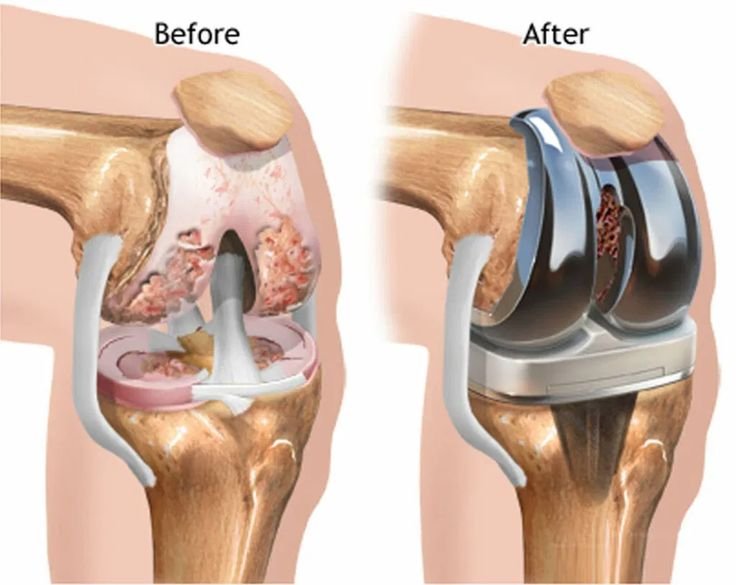
If you are searching for Knee Replacement Surgery in Itarsi, persistent knee pain, stiffness, swelling, and difficulty walking can make everyday activities increasingly challenging. Therefore, an orthopedic evaluation can help identify the severity of joint damage and determine whether knee replacement or another treatment option is appropriate.
Dr. Amit Saoji is an orthopedic, arthroscopy, sports medicine, and arthroplasty surgeon with a clinical focus on the knee, shoulder, and hip. His official practice lists knee replacement, knee arthroscopy, ACL injury treatment, knee joint preservation, and sports rehabilitation among its treatment services.
His website also specifically lists Knee Replacement Surgery in Itarsi as a location-focused service.
What Is Knee Replacement Surgery?
Knee replacement surgery, also called knee arthroplasty, replaces damaged weight-bearing surfaces of the knee with artificial components. Doctors generally consider this procedure when severe joint damage causes persistent pain and significantly affects mobility.
Osteoarthritis represents one of the most common reasons for knee replacement. As the protective cartilage gradually wears away, the bones can experience increased friction. Consequently, patients may develop pain, stiffness, swelling, and reduced movement.
However, not every patient with knee arthritis needs surgery. Initially, an orthopedic specialist may recommend physiotherapy, strengthening exercises, medication, weight management, activity modification, or other appropriate treatments. If these options no longer provide sufficient relief, the surgeon may discuss knee replacement. Knee Replacement Surgery In Itarsi
Therefore, the decision should depend on your symptoms, examination findings, imaging results, mobility, and quality of life.
When Should You Consider Knee Replacement?
Knee arthritis often progresses gradually. Initially, you may notice pain after walking or exercising. Over time, however, the pain can become more frequent and begin to affect normal activities.
You should consider an orthopedic evaluation if you experience:
- Persistent knee pain
- Severe stiffness
- Recurrent swelling
- Difficulty walking
- Difficulty climbing stairs
- Reduced knee movement
- Pain while standing
- Difficulty performing daily activities
- Knee pain that affects sleep
- Symptoms that continue despite conservative treatment
Moreover, previous injuries, cartilage damage, joint deformity, and other conditions can contribute to progressive knee damage.
Therefore, an orthopedic consultation can help determine whether you need continued non-surgical treatment, joint-preserving treatment, or knee replacement.
Types of Knee Replacement Surgery
The surgeon selects the appropriate procedure according to the location and severity of knee damage.
Total Knee Replacement
Total knee replacement addresses the damaged surfaces of the knee joint. Doctors commonly consider this procedure when arthritis affects multiple areas of the knee and causes significant pain and functional limitations.
Partial Knee Replacement
Partial knee replacement treats damage limited to a specific compartment of the knee. However, only selected patients qualify for this procedure. The surgeon evaluates the remaining cartilage, ligaments, alignment, and overall knee function before recommending partial replacement.
Revision Knee Replacement
Revision surgery addresses problems involving an existing knee implant. For example, implant wear, loosening, infection, instability, or other complications may require revision treatment.
Consequently, patients should undergo a detailed orthopedic evaluation before deciding which type of knee replacement suits them.
Knee Replacement Procedure and Recovery
Before surgery, the orthopedic surgeon evaluates your symptoms, medical history, physical examination, and imaging. Additionally, the medical team may perform appropriate pre-operative investigations.
During knee replacement, the surgeon removes damaged joint surfaces and prepares the knee to receive artificial components. Next, the surgeon positions the implant components and checks the movement and stability of the knee.
After surgery, the medical team begins rehabilitation according to your condition. Initially, you focus on pain control, swelling management, safe movement, and walking with appropriate support. Next, physiotherapy works on restoring knee movement and strengthening the muscles around the joint.
Furthermore, rehabilitation can include walking exercises, strength training, balance exercises, and functional movements. Therefore, consistent physiotherapy plays an important role in helping patients regain mobility.
Dr. Amit Saoji’s published knee replacement information also emphasizes individualized treatment planning and rehabilitation following surgery.
Benefits of Knee Replacement Surgery
For appropriately selected patients, knee replacement can reduce chronic pain and improve mobility. Moreover, successful treatment can make everyday activities easier and help patients regain greater independence.
Potential benefits include:
- Reduced knee pain
- Improved walking ability
- Better joint function
- Improved mobility
- Easier stair climbing
- Greater independence
- Improved ability to perform daily activities
- Better overall quality of life
However, knee replacement does not guarantee an identical knee to the original joint. Therefore, patients should maintain realistic expectations and follow their rehabilitation programme carefully.
Additionally, maintaining a healthy body weight, strengthening the surrounding muscles, following activity recommendations, and attending follow-up appointments can support long-term joint function.
Why Choose Dr. Amit Saoji for Knee Replacement?
Dr. Amit Saoji focuses on orthopedics, arthroscopy, sports medicine, and arthroplasty, with particular clinical focus on the knee, shoulder, and hip. His professional profile states that he completed DNB Orthopaedics, fellowship training in ISAKOS joint arthroscopy and sports medicine, shoulder and knee arthroscopy fellowship training, and joint replacement fellowship training at Lokmanya Hospital, Pune.
Furthermore, his practice includes knee replacement alongside arthroscopy, ACL treatment, knee joint preservation, and sports rehabilitation.
Therefore, patients can discuss both surgical and non-surgical options before making a treatment decision.
Consultation for Patients in Itarsi
If you are searching for Knee Replacement Surgery in Itarsi and considering Dr. Amit Saoji, contact his clinic before travelling.
Dr. Amit Saoji Ortho Sports Care
Shop No. 1, Ground Floor, Meher Prasad Complex,
Central Bazar Road, beside Neeti Gaurav Complex,
Ramdaspeth, Nagpur, Maharashtra 440010
Before your consultation, keep your previous X-rays, MRI reports, prescriptions, blood test reports, and other relevant medical records ready. Additionally, explain how long you have experienced knee pain, which activities increase the symptoms, and which treatments you have already tried.
Frequently Asked Questions
Knee replacement surgery replaces damaged portions of the knee joint with artificial components. Therefore, doctors may recommend it when severe joint damage causes persistent pain and mobility problems.
No. Initially, doctors may recommend physiotherapy, exercises, medication, and lifestyle modifications. However, severe joint damage and persistent symptoms may eventually make surgery appropriate.
Persistent pain, stiffness, swelling, reduced movement, and difficulty walking can indicate advanced knee problems. Moreover, difficulty performing everyday activities can indicate the need for specialist evaluation.
Total replacement treats multiple damaged areas of the knee, whereas partial replacement treats damage limited to one compartment. Therefore, the surgeon selects the procedure after evaluating the entire joint.
Recovery varies according to the patient’s health, mobility, procedure, and rehabilitation progress. Therefore, your orthopedic surgeon and physiotherapist should provide an individualized recovery plan.
Yes. Patients generally begin walking with appropriate support and medical supervision during the early recovery period. Next, physiotherapy gradually improves strength, balance, and walking ability.
Yes. Physiotherapy helps restore knee movement, muscle strength, balance, and functional mobility. Therefore, following the prescribed rehabilitation programme is important.
Yes. His official practice lists knee replacement among its orthopedic treatments, and his professional profile identifies him as a trained joint replacement surgeon.
Yes. Bring your previous imaging, prescriptions, and treatment records. Additionally, these documents can help the orthopedic surgeon understand your condition and previous treatment.