Dr Amit Saoji | Orthopedic Surgeon In Nagpur | Orthopedic Doctor in Nagpur

Arthroscopic Surgery in Harda – Dr. Amit Saoji Ortho Sports Care
Looking for Arthroscopic Surgery in Harda can be an important step when persistent joint pain, sports injuries, ligament damage, or restricted movement starts affecting your daily life. Arthroscopy is a minimally invasive surgical technique that allows an orthopedic surgeon to examine and treat problems inside a joint through small incisions.
Dr. Amit Saoji Ortho Sports Care specializes in arthroscopy, sports medicine, knee and shoulder conditions, ACL injuries, ligament problems, and joint replacement. Dr. Amit Saoji is an orthopedic, arthroscopy, sports medicine, and arthroplasty surgeon with specialized fellowship training in arthroscopy and sports medicine. His clinical focus includes the knee, shoulder, and hip.
If you have persistent knee or shoulder pain, a sports injury, an ACL or meniscus injury, or a condition that may require minimally invasive surgery, you can contact the clinic to discuss your symptoms, medical reports, consultation availability, and treatment options.
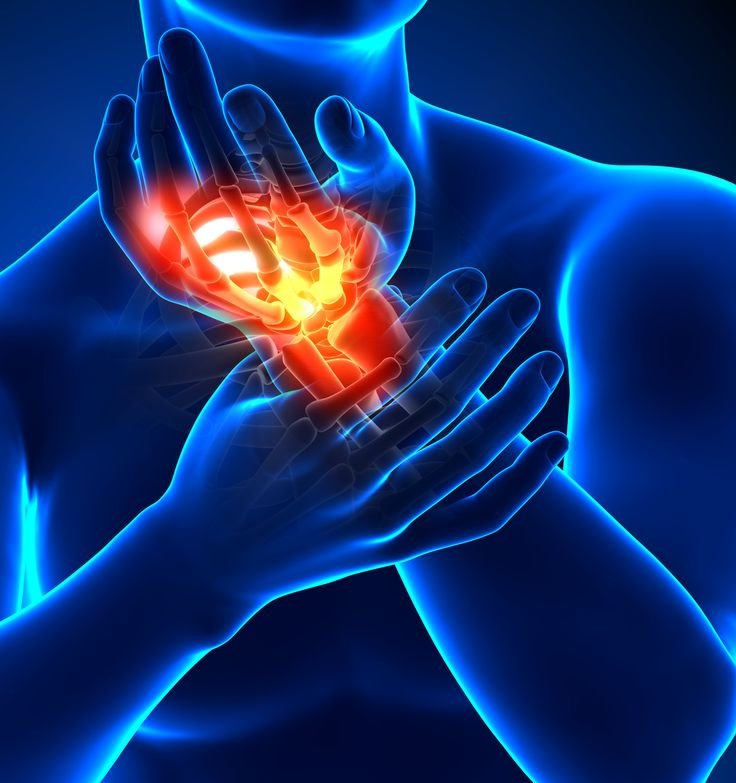
What Is Arthroscopic Surgery?
Arthroscopic surgery is a minimally invasive orthopedic procedure that allows a surgeon to look inside a joint using a small camera called an arthroscope.
During the procedure, the surgeon makes small incisions around the affected joint. Next, the arthroscope enters the joint and sends images to a monitor. The surgeon can then examine the internal structures and, when appropriate, use specialized instruments to treat the problem.
Unlike traditional open surgery, arthroscopy uses smaller surgical openings for many procedures. However, the suitability of arthroscopy depends on the specific condition, severity of the injury, and patient’s overall requirements.
Arthroscopy commonly applies to joints such as the:
- Knee
- Shoulder
- Ankle
- Elbow
- Hip
- Wrist
Dr. Amit Saoji’s practice specifically lists knee arthroscopy and shoulder arthroscopy among its orthopedic treatments.
When Is Arthroscopic Surgery Recommended?
Not every joint problem requires surgery. Therefore, an orthopedic specialist first evaluates the patient’s symptoms and diagnosis before recommending an arthroscopic procedure.
Arthroscopy may be considered for selected conditions involving:
- ACL injuries
- Meniscus tears
- Cartilage injuries
- Certain ligament injuries
- Knee sports injuries
- Shoulder injuries
- Joint instability
- Selected internal joint problems
For example, a patient with persistent knee locking after a sports injury may have a meniscus problem. Similarly, an athlete with an ACL tear may require arthroscopic reconstruction after a complete orthopedic evaluation.
However, surgery is not automatically the first treatment. Depending on the condition, physiotherapy, rehabilitation, activity modification, medication, or other conservative treatment may be appropriate.Arthroscopic Surgery In Harda
Knee Arthroscopic Surgery
The knee is one of the most common joints treated through arthroscopic techniques.
Knee arthroscopy can help orthopedic surgeons examine and treat selected problems involving structures inside the knee.
Common conditions that may require evaluation include:
- ACL injuries
- Meniscus tears
- Cartilage damage
- Knee instability
- Sports injuries
- Certain ligament injuries
- Mechanical symptoms such as locking or catching
Dr. Amit Saoji Ortho Sports Care lists knee arthroscopy as one of its orthopedic treatments.
The exact procedure depends on the diagnosis. Therefore, patients should undergo an orthopedic assessment before deciding whether arthroscopic treatment is appropriate.
Arthroscopic Treatment for ACL Injuries
The anterior cruciate ligament, or ACL, plays an important role in knee stability.
ACL injuries frequently occur during sports that involve sudden stopping, pivoting, jumping, landing, or rapid changes in direction. Road accidents and other traumatic injuries can also damage the ligament.
Common symptoms include:
- Knee swelling
- Pain after injury
- Knee instability
- Difficulty running
- A feeling that the knee may give way
- Difficulty participating in sports
- Reduced confidence while changing direction
However, not every ACL tear requires surgery.
The orthopedic surgeon considers the severity of the tear, knee stability, activity level, associated injuries, occupation, and individual treatment goals.
When reconstruction is appropriate, arthroscopic techniques can provide a minimally invasive approach to ACL surgery.
Dr. Amit Saoji’s practice specifically focuses on ACL injuries, arthroscopy and sports medicine, and his official ACL information describes arthroscopic ACL reconstruction techniques.
Arthroscopic Treatment for Meniscus Injuries
The meniscus acts as a shock absorber within the knee and helps distribute forces across the joint.
A meniscus injury can occur during sports, twisting movements, falls, accidents, or degenerative changes.
Symptoms may include:
- Knee pain
- Swelling
- Clicking
- Catching
- Locking
- Difficulty bending the knee
- Pain during twisting movements
Depending on the type and location of the tear, the patient’s age, activity level, and overall knee condition, treatment may involve rehabilitation or arthroscopic surgery.
Therefore, an MRI and clinical examination may help the orthopedic specialist determine the most appropriate treatment.
Shoulder Arthroscopic Surgery
The Shoulder arthroscopy uses a small camera and specialized instruments to examine and treat selected conditions inside the shoulder joint.
Shoulder problems can affect athletes as well as people who perform repetitive overhead activities.
Common symptoms include:
- Shoulder pain
- Restricted movement
- Pain while lifting the arm
- Shoulder instability
- Difficulty reaching overhead
- Pain during exercise
- Difficulty sleeping because of shoulder pain
Dr. Amit Saoji’s practice includes shoulder arthroscopy and focuses on shoulder conditions as part of his orthopedic and sports medicine practice.
Sports Injuries and Arthroscopy
The Sports injuries can affect the knee, shoulder and other joints. Furthermore, athletes often need specialized treatment because they want to return to a particular level of physical activity.
Common sports-related conditions include:
- ACL tears
- Meniscus injuries
- Ligament injuries
- Shoulder instability
- Cartilage injuries
- Knee injuries
- Joint sprains
For example, an athlete who experiences repeated knee instability may need an evaluation for an ACL injury. Similarly, a person who develops shoulder instability after a sports injury may require specialist assessment.
Therefore, sports medicine and arthroscopy often work together to diagnose, treat, and rehabilitate selected orthopedic injuries.
Dr. Amit Saoji has completed fellowship training in ISAKOS joint arthroscopy and sports medicine, followed by shoulder and knee arthroscopy fellowship training.
How Is Arthroscopic Surgery Performed?
Before surgery, the orthopedic surgeon reviews the patient’s symptoms, medical history, physical examination, and imaging.
If surgery is appropriate, the patient receives the planned anesthesia. The surgeon then makes small incisions around the joint and inserts the arthroscope.
The camera provides a magnified view of the internal joint structures. Consequently, the surgeon can assess the problem and use specialized instruments through additional small incisions when treatment is required.
Depending on the diagnosis, the procedure may involve repairing, trimming, reconstructing, or otherwise treating damaged structures.
The exact technique varies according to the patient’s condition. Therefore, the surgeon should explain the planned procedure before surgery.
Benefits of Arthroscopic Surgery
Arthroscopy offers several potential advantages for appropriately selected patients.
Because surgeons generally use small incisions, arthroscopic procedures can involve less disruption to surrounding soft tissues compared with some traditional open procedures.
Potential benefits may include:
- Smaller incisions
- Detailed visualization of the joint
- Treatment of selected internal joint problems
- Less soft-tissue disruption
- Rehabilitation tailored to the specific procedure
However, arthroscopy remains surgery and carries potential risks. Therefore, patients should discuss expected benefits, risks, alternatives, and recovery requirements with their orthopedic surgeon.
Recovery After Arthroscopic Surgery
The Recovery varies considerably depending on the procedure.
For example, recovery after a diagnostic or minor arthroscopic procedure can differ significantly from recovery after ACL reconstruction.
Similarly, meniscus treatment and shoulder arthroscopy can require different rehabilitation programmes.
After surgery, the orthopedic team may recommend:
- Pain management
- Swelling control
- Joint movement exercises
- Physiotherapy
- Strengthening exercises
- Activity modification
- Gradual return to normal activities
Initially, the patient may need to limit certain movements. Subsequently, rehabilitation can progress as healing allows.
Therefore, patients should follow the specific post-operative instructions provided by their surgeon and physiotherapy team.
Physiotherapy After Arthroscopic Surgery
Surgery is only one part of recovery.
Physiotherapy can help patients restore movement, strength, stability, coordination, and function after appropriate arthroscopic procedures.
For knee surgery, rehabilitation may include:
- Range-of-motion exercises
- Quadriceps strengthening
- Hamstring strengthening
- Balance training
- Stability exercises
- Functional movements
For shoulder procedures, rehabilitation may focus on:
- Restoring shoulder movement
- Strengthening surrounding muscles
- Improving stability
- Gradually returning to overhead activities
Furthermore, athletes may require sport-specific rehabilitation before returning to competitive activity.
Dr. Amit Saoji Ortho Sports Care also lists sports rehabilitation guidance among its services.
When Should You Consult an Arthroscopy Specialist?
Consider an orthopedic consultation if joint symptoms persist or interfere with normal activities.
You may benefit from evaluation if you experience:
- Persistent knee pain
- Repeated knee swelling
- Knee locking or catching
- Knee instability
- Sports injuries
- Persistent shoulder pain
- Shoulder instability
- Restricted joint movement
- Difficulty returning to sports
- Pain that continues despite conservative treatment
However, these symptoms can have multiple causes. Therefore, a specialist examination is necessary before deciding whether arthroscopy is appropriate.
Why Choose Dr. Amit Saoji for Arthroscopic Treatment?
Choosing an orthopedic surgeon involves more than simply searching for a doctor nearby. Patients should consider qualifications, specialized training, treatment focus, and experience with the relevant condition.
Dr. Amit Saoji completed his MBBS from JNMC, Wardha, followed by DNB Orthopaedics from Ruby Hall Clinic, Pune. He subsequently completed fellowship training in joint arthroscopy and sports medicine, followed by shoulder and knee arthroscopy fellowship training. He also completed training in joint replacement surgery.
His clinical focus includes the knee, shoulder, and hip, along with sports injuries, arthroscopy, ligament problems, and joint replacement.
Therefore, patients with knee or shoulder problems that may require arthroscopic evaluation can contact his clinic to discuss their condition.
Arthroscopic Surgery Consultation for Patients from Harda
Patients searching for Arthroscopic Surgery in Harda may consider specialist consultation when local treatment has not resolved persistent joint symptoms or when an injury may require advanced orthopedic evaluation.
Dr. Amit Saoji’s published clinic address is in Ramdaspeth, Nagpur, Maharashtra. Therefore, patients travelling from Harda should contact the clinic before making travel arrangements and confirm consultation availability.
Patients should bring previous MRI scans, X-rays, prescriptions, medical reports, and details of previous treatment whenever possible.
These records can help the orthopedic specialist understand the patient’s history and plan further evaluation.
Arthroscopy for Knee and Shoulder Problems
The Arthroscopic treatment can address selected orthopedic conditions while using minimally invasive techniques.
For knee problems, arthroscopy may help treat or assess selected ACL, meniscus, cartilage, and other internal joint conditions.
For shoulder problems, arthroscopy may help address selected conditions involving the joint and surrounding structures.
However, arthroscopy does not suit every patient or every orthopedic condition. Therefore, the surgeon must first establish the diagnosis and determine whether the potential benefits outweigh the risks.
Book an Arthroscopy Consultation
Persistent knee or shoulder pain can interfere with work, exercise, sports, and everyday activities. Therefore, you should not ignore recurring pain, swelling, instability, locking, or restricted movement.
If you are searching for Arthroscopic Surgery in Harda, Dr. Amit Saoji Ortho Sports Care provides specialized orthopedic care focused on knee arthroscopy, shoulder arthroscopy, ACL injuries, sports injuries, ligament conditions, and rehabilitation.
Contact the clinic to discuss your symptoms, previous investigations, consultation availability, and appropriate treatment options.
Dr. Amit Saoji Ortho Sports Care
Shop No. 1, Ground Floor, Meher Prasad Complex, Central Bazar Road, beside Neeti Gaurav Complex, Ramdaspeth, Nagpur, Maharashtra 440010
Frequently Asked Questions About Arthroscopic Surgery In Harda
Arthroscopic surgery is a minimally invasive orthopedic procedure that uses a small camera called an arthroscope to examine and treat selected problems inside a joint.
Depending on the joint and diagnosis, arthroscopy may treat selected ACL injuries, meniscus problems, cartilage injuries, ligament conditions, sports injuries, and shoulder problems.
No. The orthopedic surgeon first determines the cause of the knee problem. Depending on the diagnosis, physiotherapy, rehabilitation, medication, injections, or other treatment may provide a better option.
Yes. Knee arthroscopy is listed among the treatments provided by Dr. Amit Saoji Ortho Sports Care.
Yes. Shoulder arthroscopy is also listed among his orthopedic treatments.
Recovery depends on the specific procedure, the condition treated, the patient’s health, and rehabilitation progress. Therefore, patients should follow an individualized recovery plan rather than relying on a single standard timeline.
Many patients can return to sports after appropriate treatment and rehabilitation. However, the timing depends on the procedure and recovery. Athletes should meet appropriate functional and rehabilitation milestones before returning to competitive sports.
Patients receive anesthesia during the procedure. After surgery, some discomfort, swelling, or stiffness can occur. The medical team provides appropriate post-operative instructions and pain-management guidance.