Dr Amit Saoji | Orthopedic Surgeon In Nagpur | Orthopedic Doctor in Nagpur

Shoulder Arthroscopy In Shadol – Dr. Amit Saoji | Ortho Sports Care
The Shoulder pain can make simple activities such as lifting the arm, reaching overhead, dressing, sleeping, exercising, and playing sports difficult. When pain continues despite appropriate treatment, an accurate diagnosis becomes important. If you are searching for Shoulder Arthroscopy In Shadol, Dr. Amit Saoji provides orthopaedic and sports medicine care with a focus on shoulder and knee conditions.
Dr. Amit Saoji is an orthopaedic, arthroscopy, sports medicine, and joint replacement surgeon. His listed qualifications include MBBS, DNB Orthopaedics, ISAKOS Fellowship in Joint Arthroscopy & Sports Medicine, and fellowship training in shoulder and knee arthroscopy. His clinic information also lists Shoulder Arthroscopy among its treatment services.
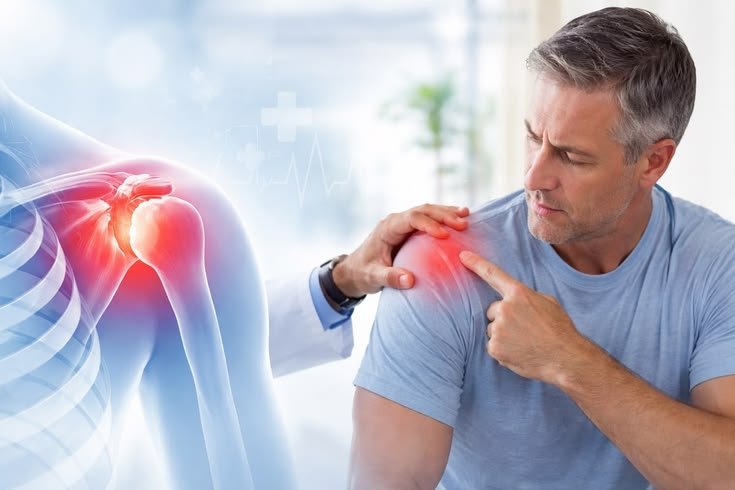
What Is Shoulder Arthroscopy?
Shoulder arthroscopy is a minimally invasive procedure used to examine and treat selected problems inside and around the shoulder joint. During the procedure, the surgeon uses a small camera called an arthroscope and specialized instruments through small incisions.
The camera provides a clear view of structures within the shoulder. Depending on the condition, the surgeon may treat damaged tissue, repair certain structures, remove inflamed tissue, or address instability.
However, shoulder arthroscopy is not necessary for every shoulder problem. The surgeon first evaluates the symptoms, examination findings, imaging results, and functional requirements before recommending surgery.
Shoulder Arthroscopy In Shadol By Dr. Amit Saoji
Dr. Amit Saoji focuses on shoulder, knee, and hip orthopaedics, with additional expertise in arthroscopy and sports medicine. His professional profile includes fellowship training in shoulder and knee arthroscopy.
This specialised training can be valuable for patients experiencing shoulder injuries related to sports, accidents, repetitive activities, or degenerative conditions.
Furthermore, treatment does not always begin with surgery. Depending on the diagnosis, Dr. Amit Saoji may consider physiotherapy, activity modification, medication, rehabilitation, or other appropriate options before recommending an arthroscopic procedure.
When Is Shoulder Arthroscopy Recommended?
Doctors may consider shoulder arthroscopy when a structural shoulder problem causes persistent symptoms or limits normal function.
Depending on the diagnosis, arthroscopy may be considered for:
- Shoulder instability
- Recurrent shoulder dislocation
- Labral injuries
- Selected rotator cuff tears
- Impingement-related problems
- Biceps-related problems
- Certain cartilage injuries
- Inflamed tissue inside the shoulder
- Selected sports injuries
- Persistent symptoms after conservative treatment
The appropriate procedure depends on the patient’s specific condition. Therefore, an orthopaedic assessment should guide the treatment decision.
Common Causes Of Shoulder Problems
Shoulder problems can develop suddenly or gradually. Sports injuries, falls, accidents, repetitive overhead movements, and age-related changes can all affect the shoulder.
Athletes who regularly participate in throwing, swimming, badminton, tennis, cricket, or weight training may place repeated stress on the shoulder.
Similarly, people whose occupations involve frequent overhead activity can experience persistent shoulder symptoms.
Because several shoulder conditions can produce similar symptoms, accurate diagnosis is essential before selecting treatment.
Symptoms That May Require Shoulder Evaluation
Persistent shoulder symptoms should not be ignored, especially when they interfere with everyday activities.
Common symptoms include:
- Persistent shoulder pain
- Pain while lifting the arm
- Difficulty reaching overhead
- Shoulder weakness
- Recurrent dislocation
- A feeling of instability
- Clicking or catching
- Reduced shoulder movement
- Pain while sleeping
- Difficulty participating in sports
- Pain after an injury
If these symptoms continue or become worse, an orthopaedic consultation can help identify the underlying problem.
Shoulder Instability And Dislocation
The Shoulder instability occurs when the shoulder joint does not remain securely positioned during movement. Some patients experience repeated dislocations or a feeling that the shoulder may slip out of place.
Young athletes and people involved in contact or overhead sports may be particularly affected by recurrent instability.
Depending on the extent of structural damage and the patient’s activity requirements, treatment may include rehabilitation or surgical stabilization.
For selected patients, arthroscopic surgery can be used to repair damaged structures responsible for instability.
Labral Injuries Of The Shoulder
The labrum is a ring of cartilage that helps deepen the shoulder socket and contributes to joint stability. Injury to the labrum can occur after a dislocation, fall, repetitive overhead activity, or sports-related trauma.
Patients may experience pain, clicking, catching, weakness, or a feeling of instability.
Some labral injuries improve with physiotherapy and activity modification. However, persistent symptoms or instability may require further treatment.
When surgery is appropriate, arthroscopic techniques can allow the surgeon to visualize and repair selected labral injuries.
Rotator Cuff Problems
The rotator cuff consists of muscles and tendons that help control shoulder movement and stability. Rotator cuff problems can develop due to sports injuries, repetitive movements, trauma, or degenerative changes.
Typical symptoms include pain while raising the arm, weakness, difficulty reaching overhead, and night pain.
Treatment depends on the type and severity of the injury. Physiotherapy may help selected patients, while some significant tears may require surgical treatment.
Shoulder arthroscopy can provide access to selected rotator cuff problems through minimally invasive techniques.
Shoulder Impingement
The Shoulder impingement can cause pain when the arm moves overhead. Patients may experience discomfort while reaching, lifting objects, exercising, or sleeping.
The underlying cause needs to be identified before treatment begins. Doctors may initially recommend activity modification, physiotherapy, strengthening exercises, and other conservative measures.
When symptoms persist despite appropriate treatment and a structural problem requires surgical correction, arthroscopy may be considered.
Therefore, shoulder pain alone does not automatically mean that surgery is necessary.
Diagnosis Before Shoulder Arthroscopy
A detailed diagnosis is one of the most important steps in shoulder treatment. During consultation, the doctor may ask about the onset of symptoms, previous injuries, sports participation, occupation, and previous treatments.
The physical examination can assess:
- Shoulder movement
- Muscle strength
- Joint stability
- Tenderness
- Pain during specific movements
- Signs of impingement
- Functional limitations
Depending on the suspected condition, imaging such as X-rays or MRI may also be recommended.
However, imaging findings should be interpreted together with symptoms and clinical examination. This approach helps create a more appropriate treatment plan.
Non-Surgical Treatment For Shoulder Pain
Not every patient with shoulder pain needs arthroscopy. In many cases, conservative treatment can provide improvement.
Depending on the diagnosis, treatment may include physiotherapy, strengthening exercises, posture correction, activity modification, medication when appropriate, and gradual rehabilitation.
For example, a patient with mild shoulder inflammation may improve with structured rehabilitation, while another patient with recurrent instability may require surgical stabilization.
Therefore, an experienced orthopaedic evaluation can help determine whether surgery is actually necessary.
Arthroscopic Shoulder Surgery Procedure
During shoulder arthroscopy, the surgeon generally makes small incisions around the shoulder and introduces the arthroscope into the joint.
The camera displays the internal structures on a monitor, allowing the surgeon to assess the affected area. Specialized instruments can then be used to perform the planned treatment.
Depending on the condition, the procedure may involve repairing damaged tissue, stabilizing the shoulder, treating a rotator cuff injury, or addressing another structural problem.
The exact surgical technique varies according to the patient’s diagnosis and anatomy.
Benefits Of Shoulder Arthroscopy
For appropriately selected patients, shoulder arthroscopy offers several potential advantages.
These may include:
- Small surgical incisions
- Direct visualization of the shoulder
- Treatment of selected internal injuries
- Less disruption to surrounding tissues compared with some open approaches
- Individualized surgical treatment
- Structured rehabilitation after surgery
However, arthroscopy is still a surgical procedure and requires appropriate recovery.
Patients should discuss expected benefits, possible limitations, alternatives, and risks with their orthopaedic surgeon before proceeding.
Shoulder Arthroscopy For Sports Injuries
Athletes frequently place high demands on their shoulders. Throwing, serving, lifting, tackling, swimming, and repetitive overhead movements can expose the shoulder to considerable stress.
A sports-related shoulder injury can therefore affect both performance and confidence.
Dr. Amit Saoji’s training in sports medicine and arthroscopy can be particularly relevant for patients whose shoulder problems are related to physical activity.
Treatment can focus not only on reducing pain but also on restoring strength, stability, movement, and sport-specific function.
Preparing For Shoulder Arthroscopy
Good preparation can make the surgical and recovery process easier. Before surgery, the medical team may review your medical history, medications, allergies, previous operations, and investigation reports.
Patients should follow the instructions provided regarding food, fluids, medications, and activity before surgery.
It is also useful to arrange assistance for the initial recovery period because shoulder movement may be temporarily restricted.
In addition, patients should understand the rehabilitation programme before surgery. Knowing what to expect can help them remain consistent during recovery.
Physiotherapy After Shoulder Arthroscopy
The Physiotherapy is an important part of recovery after many shoulder arthroscopic procedures.
Depending on the surgery, rehabilitation may include:
- Gentle range-of-motion exercises
- Shoulder mobility training
- Rotator cuff strengthening
- Scapular strengthening
- Stability exercises
- Functional movement training
- Gradual resistance exercises
- Sport-specific rehabilitation
The rehabilitation programme should progress gradually because tissues require time to heal.
Dr. Amit Saoji’s clinic also lists sports rehabilitation guidance among its services, which can support patients working toward an appropriate return to physical activity.
Why Choose Dr. Amit Saoji For Shoulder Arthroscopy?
Dr. Amit Saoji’s professional information lists him as an orthopaedic, arthroscopy, sports medicine, and arthroplasty surgeon focusing on the knee, shoulder, and hip.
His listed qualifications and training include:
- MBBS
- DNB Orthopaedics
- ISAKOS Fellowship in Joint Arthroscopy & Sports Medicine
- Shoulder and Knee Arthroscopy Fellowship
- Sports Medicine training
- Joint Replacement Surgery fellowship training
His clinic’s treatment information includes Shoulder Arthroscopy, shoulder-related sports injury care, knee arthroscopy, ACL treatment, and joint replacement procedures.
This combination of orthopaedic and sports medicine experience can be useful for patients seeking a treatment plan that considers both their current symptoms and functional goals.
Frequently Asked Questions |
Shoulder arthroscopy is a minimally invasive surgical procedure that uses a small camera and specialized instruments to diagnose and treat selected shoulder problems.
Doctors may consider it for selected structural conditions such as shoulder instability, labral injuries, certain rotator cuff problems, and other conditions that do not respond adequately to conservative treatment.
No. Many shoulder problems can improve through physiotherapy, exercise, activity modification, and other non-surgical treatments. Surgery depends on the underlying diagnosis.
Yes. Shoulder arthroscopy is listed among the treatments associated with Dr. Amit Saoji’s orthopaedic practice.
Selected patients with recurrent shoulder instability or dislocation may benefit from arthroscopic stabilization. The appropriate treatment depends on the extent of damage and individual factors.
Recovery varies considerably. Some procedures require a relatively shorter rehabilitation period, while repairs involving tendons or stabilizing structures can require a longer recovery.
Many patients work toward returning to appropriate sports after rehabilitation. However, the shoulder should regain adequate strength, stability, movement, and functional control before returning to demanding activities.
Consult Dr. Amit Saoji For Shoulder Arthroscopy
Persistent shoulder pain, instability, weakness, or restricted movement can interfere with work, exercise, sports, and everyday activities. An accurate diagnosis can help determine whether physiotherapy, rehabilitation, medication, activity modification, or arthroscopic surgery is the right option.
If you are searching for Shoulder Arthroscopy In Shadol, Shoulder Arthroscopy Surgeon In Shadol, Shoulder Specialist In Shadol, Arthroscopic Shoulder Surgery In Shadol, or Sports Injury Doctor In Shadol, Dr. Amit Saoji’s listed expertise includes orthopaedics, shoulder arthroscopy, sports medicine, and joint care.
The right treatment always depends on the individual condition. Therefore, patients should undergo a proper orthopaedic evaluation before deciding on surgery.
With appropriate diagnosis, careful treatment planning, and structured rehabilitation, patients can work toward reduced pain, improved shoulder function, greater stability, and a gradual return to everyday or sporting activities.
However, every treatment decision requires an individual medical assessment. Book An Appointment