Dr Amit Saoji | Orthopedic Surgeon In Nagpur | Orthopedic Doctor in Nagpur

Knee Replacement Surgery In Sagar – Dr. Amit Saoji Ortho Sports Care
Persistent knee pain can make walking, climbing stairs, exercising, working, and even resting uncomfortable. Although many knee conditions improve with medicines, physiotherapy, exercise, weight management, or activity modification, advanced joint damage may continue to affect mobility and quality of life. For patients searching for Knee Replacement Surgery In Sagar, a detailed orthopaedic assessment can help determine the cause of knee pain and identify the most suitable treatment.
Dr. Amit Saoji Ortho Sports Care focuses on orthopaedics, arthroscopy, sports injuries, and joint replacement, with a clinical focus on the knee, shoulder, and hip. His official profile lists MBBS, DNB Orthopaedics, ISAKOS fellowship training in arthroscopy and sports medicine, and fellowship training in joint replacement surgery from Lokmanya Hospital, Pune.
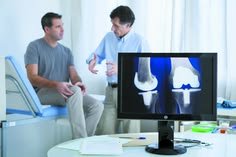
What Is Knee Replacement Surgery?
Knee replacement surgery is an orthopaedic procedure that replaces damaged weight-bearing surfaces of the knee with artificial components. The primary goal is to reduce pain and improve the patient’s ability to move and perform everyday activities.
The knee contains several structures that work together to provide stability and smooth movement. When advanced arthritis damages the joint surfaces, normal movement can become painful and restricted. Consequently, activities such as walking, standing, climbing stairs, and exercising may become increasingly difficult.
During knee replacement, the surgeon removes the damaged joint surfaces and positions suitable prosthetic components. The exact procedure depends on the extent of damage, knee alignment, ligament condition, anatomy, and the patient’s functional requirements.
Knee Replacement Surgery In Sagar By Dr. Amit Saoji
Dr. Amit Saoji’s official clinic information lists Knee Replacement among his treatments and identifies him as an orthopaedic, arthroscopy, sports medicine, and joint replacement surgeon.
His training includes DNB Orthopaedics followed by fellowship training in joint arthroscopy and sports medicine. He also completed fellowship training in joint replacement surgery at Lokmanya Hospital, Pune.
For patients considering knee replacement, this combination of orthopaedic and joint replacement training can support an individualized approach to treatment. However, every patient has different symptoms, imaging findings, health factors, and treatment goals.
Therefore, knee replacement should only be recommended after an appropriate clinical assessment Knee Replacement Surgery In Sagar
When Is Knee Replacement Recommended?
Doctors generally consider knee replacement when severe knee damage causes persistent pain and significant difficulty with daily activities.
You may need an orthopaedic evaluation if you experience:
- Persistent knee pain
- Difficulty walking
- Pain while climbing stairs
- Increasing knee stiffness
- Recurrent swelling
- Reduced knee movement
- Pain that affects sleep
- Difficulty standing for long periods
- Reduced ability to exercise or remain active
- Limited improvement with conservative treatment
However, having knee arthritis does not automatically mean that you need a replacement. Doctors usually consider non-surgical treatments first when they are appropriate.
If these treatments no longer provide adequate relief and the damaged knee significantly affects your quality of life, the surgeon may discuss knee replacement as a potential option.
Common Causes Of Knee Joint Damage
Osteoarthritis is one of the most common causes of progressive knee joint damage. Over time, the protective cartilage covering the joint surfaces can deteriorate, causing pain and stiffness.
Previous injuries can also contribute to long-term knee problems. ACL injuries, meniscus tears, fractures, and other traumatic injuries may affect the knee’s function and contribute to later degeneration.
In addition, inflammatory joint conditions, abnormal alignment, previous surgery, and other factors can contribute to joint deterioration.
Because knee pain can have many causes, accurate diagnosis is essential. A detailed examination helps determine whether the symptoms are actually coming from advanced joint damage or another treatable condition.
Symptoms Of Advanced Knee Arthritis
Knee arthritis can develop gradually. Initially, patients may notice pain only after prolonged walking or physical activity. However, symptoms can become more frequent as joint damage progresses.
Common symptoms include pain during movement, stiffness after sitting, swelling, reduced range of motion, difficulty walking, and discomfort while climbing stairs.
Some patients also experience grinding or creaking sensations in the knee. In advanced cases, changes in knee alignment can affect walking and make the knee appear deformed.
If knee pain repeatedly interferes with your normal routine, you should consider an orthopaedic consultation rather than continuing to ignore the symptoms.
Diagnosis Before Knee Replacement
An accurate diagnosis forms the foundation of successful knee treatment. During an orthopaedic consultation, the doctor reviews the patient’s symptoms, previous injuries, medical history, activity level, and previous treatments.
The physical examination may assess knee movement, alignment, stability, muscle strength, swelling, tenderness, and walking pattern.
X-rays can help identify joint-space narrowing, bone changes, alignment abnormalities, and other signs of arthritis. Depending on the symptoms, the doctor may recommend additional investigations.
However, the X-ray should not determine treatment by itself. The surgeon should compare the imaging findings with the patient’s symptoms and physical examination.
As a result, a comprehensive evaluation can help prevent unnecessary surgery and identify patients who are more likely to benefit from joint replacement.
Non-Surgical Treatment Before Knee Replacement
Knee replacement is not always the first treatment for arthritis. Depending on the severity of symptoms, doctors may initially recommend conservative treatment.
Treatment may include physiotherapy, muscle-strengthening exercises, activity modification, weight management, and appropriate medicines.
Strengthening the muscles around the knee can improve support and function. Similarly, maintaining an appropriate body weight can reduce the mechanical stress placed on the knee during everyday activities.
However, advanced arthritis may eventually become difficult to manage with conservative measures alone. When pain remains severe and mobility continues to decline, joint replacement may become a treatment option.
Total Knee Replacement
Total knee replacement is generally considered when arthritis or joint damage affects multiple areas of the knee.
During the procedure, the surgeon removes damaged joint surfaces and replaces them with artificial components. The surgeon also works to achieve appropriate alignment and stability.
The objective is to create a functional knee that allows the patient to move more comfortably after recovery.
Dr. Amit Saoji’s official website specifically lists Knee Replacement as one of his treatment services.
Nevertheless, the type of knee replacement should depend on the patient’s condition rather than on a general preference for one procedure.
Partial Knee Replacement
Partial knee replacement may be suitable for selected patients whose arthritis remains primarily limited to one compartment of the knee.
Instead of replacing the entire joint, the surgeon replaces the damaged compartment while preserving suitable healthy structures.
However, not every patient qualifies for partial replacement. The surgeon needs to assess the location of cartilage damage, knee alignment, ligament stability, movement, and overall joint condition.
Therefore, an orthopaedic examination is necessary before deciding between partial and total knee replacement.
Knee Replacement For Older Adults
Knee arthritis becomes increasingly common with age, but age alone does not determine whether a patient should undergo knee replacement.
Older adults may experience difficulty walking, climbing stairs, shopping, travelling, or participating in social activities because of persistent knee pain.
Before surgery, the medical team can assess overall health and identify conditions that may require attention. The team can also plan rehabilitation according to the patient’s mobility and strength.
Consequently, older patients can benefit from an individualized treatment and rehabilitation plan rather than a treatment decision based solely on age.
Knee Replacement For Active Patients
Knee arthritis can also affect physically active adults. Persistent pain may prevent gym workouts, sports, travel, outdoor activities, or physically demanding work.
For these patients, treatment planning should consider both pain relief and functional goals. The patient may want to return to walking, cycling, swimming, or other low-impact activities after recovery.
However, returning to demanding activities too quickly can place unnecessary stress on the recovering knee.
Therefore, patients should follow a gradual rehabilitation programme and discuss their desired activity level with the treating orthopaedic team.
Preparing For Knee Replacement Surgery
Good preparation can make the recovery process more manageable. Before surgery, the medical team may review your medical history, medications, allergies, previous surgeries, and general health.
The doctor may also evaluate your walking ability and muscle strength. In suitable patients, pre-operative exercises can help prepare the muscles for rehabilitation.
It is also useful to prepare your home before surgery. Keeping frequently used items within easy reach and removing obstacles from walking areas can make early movement safer.
Furthermore, patients should understand the expected rehabilitation process before surgery. Realistic expectations can help you remain consistent throughout recovery.
Recovery After Knee Replacement Surgery
Recovery develops gradually rather than immediately. After surgery, the medical team focuses on pain management, wound care, safe movement, and early rehabilitation.
Physiotherapy can help restore knee movement and activate the muscles surrounding the joint. As healing progresses, patients can gradually work on strengthening, balance, walking, and functional activities.
However, recovery varies between individuals. General health, age, pre-operative mobility, muscle strength, surgical factors, and commitment to rehabilitation can all affect progress.
Therefore, patients should follow their individualized recovery plan instead of comparing their progress with someone else’s experience.
Physiotherapy After Knee Replacement
Physiotherapy is an essential component of many knee replacement recovery programmes. While surgery addresses the damaged joint surfaces, rehabilitation helps restore strength and functional movement.
Early exercises may focus on improving knee movement and activating the quadriceps. Later, the programme can progress toward strengthening, balance, endurance, and functional activities.
Regular rehabilitation can also help patients regain confidence while walking and performing daily activities.
Furthermore, the physiotherapist can modify the exercise programme according to the patient’s progress, limitations, and recovery goals.
Benefits Of Knee Replacement Surgery
For appropriately selected patients with advanced knee joint damage, knee replacement can provide significant functional benefits.
Potential improvements include:
- Reduced knee pain
- Improved walking ability
- Better knee function
- Greater independence during daily activities
- Improved ability to climb stairs
- Better participation in appropriate physical activities
- Improved overall quality of life
However, patients should maintain realistic expectations. Knee replacement aims to reduce pain and improve function; it does not recreate the exact condition of a natural, undamaged knee.
Therefore, discussing expected outcomes with the surgeon before surgery is important.
Risks And Possible Complications
Knee replacement is a major surgical procedure, so it carries potential risks. Although the medical team takes precautions, complications can occur.
Possible complications include infection, blood clots, bleeding, stiffness, persistent pain, wound problems, implant-related problems, instability, and nerve or blood-vessel injury.
The likelihood of complications varies according to the patient’s health, age, weight, medical conditions, surgical complexity, and other factors.
Your surgeon should explain the potential benefits, limitations, alternatives, and risks before surgery. This information can help you make an informed treatment decision.
Why Choose Dr. Amit Saoji For Knee Treatment?
Dr. Amit Saoji’s official profile describes him as an orthopaedic, arthroscopy, sports medicine, and arthroplasty surgeon with a focus on the knee, shoulder, and hip.
His listed qualifications include DNB Orthopaedics, ISAKOS Fellowship in Joint Arthroscopy & Sports Medicine, and fellowship training in Joint Replacement Surgery.
His clinic also lists knee replacement, knee arthroscopy, knee joint preservation, ACL treatment, and other knee-related services.
This broader knee-care approach can be useful because not every patient with knee pain needs joint replacement. A specialist can first determine whether joint-preserving treatment, arthroscopy, rehabilitation, or replacement is more appropriate.
Knee Replacement Surgery In Sagar – Personalized Treatment Approach
Every knee has a different pattern of damage. Consequently, two patients with similar levels of pain may require different treatments.
Dr. Amit Saoji’s orthopaedic and joint replacement training allows treatment planning to consider the underlying diagnosis, joint condition, mobility, activity level, and treatment history.
For example, a patient with early arthritis may benefit from conservative treatment, while another patient with advanced joint damage may require replacement. Similarly, selected patients with localized arthritis may qualify for partial knee replacement.
Therefore, personalized evaluation remains more important than simply choosing a procedure based on its name.
Frequently Asked Questions
Knee replacement surgery replaces damaged weight-bearing surfaces of the knee with artificial components. It is generally considered for advanced joint damage that causes persistent pain and functional limitations.
You may need an evaluation when persistent knee pain, stiffness, or limited mobility interferes with daily activities and conservative treatment no longer provides adequate improvement.
No. Many patients can manage arthritis with non-surgical treatment, particularly during earlier stages. Replacement is generally considered when symptoms become severe and other treatments are insufficient.
Yes. His official clinic website lists Knee Replacement among his treatments and describes him as an orthopaedic, arthroscopy, sports medicine, and joint replacement surgeon.
Total knee replacement addresses the damaged joint surfaces across the knee, while partial replacement addresses a specific damaged compartment in appropriately selected patients.
Yes. Rehabilitation helps restore knee movement, strength, balance, walking ability, and functional mobility after surgery.
His official clinic website currently lists his clinic at Meher Prasad Complex, Central Bazar Road, Ramdaspeth, Nagpur, Maharashtra.
Patients specifically looking for consultation in Sagar should confirm the current Sagar schedule or visiting arrangement before travelling.
Consult Dr. Amit Saoji For Knee Replacement
If persistent knee pain is affecting your walking, exercise, work, sleep, or everyday independence, an orthopaedic assessment can help you understand the cause and available treatment options.
For people searching for Knee Replacement Surgery In Sagar, Knee Replacement Surgeon In Sagar, Total Knee Replacement In Sagar, Partial Knee Replacement In Sagar, or Joint Replacement Surgeon In Sagar, Dr. Amit Saoji’s listed expertise includes orthopaedics, arthroscopy, sports medicine, and joint replacement, with a focus on the knee, shoulder, and hip.
The best treatment depends on the severity of joint damage, symptoms, mobility, general health, previous treatment, and individual goals. Therefore, patients should undergo a proper examination before deciding on surgery.
With accurate diagnosis, appropriate treatment planning, and structured rehabilitation, patients with advanced knee problems can work toward better mobility, reduced pain, and improved quality of life.
However, every treatment decision requires an individual medical assessment. Book An Appointment