Dr Amit Saoji | Orthopedic Surgeon In Nagpur | Orthopedic Doctor in Nagpur

Arthroscopic Surgery In Gadchiroli
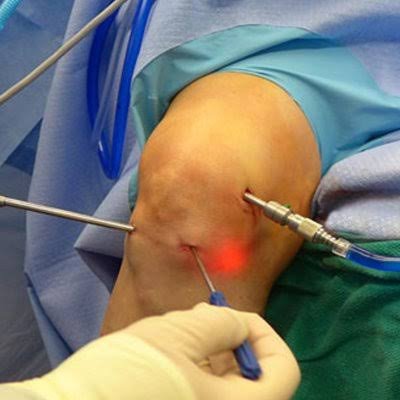
What Is Arthroscopic Surgery? | Arthroscopic Surgery In Gadchiroli
Why Consider Arthroscopic Surgery In Gadchiroli?
Conditions Treated With Arthroscopy
Arthroscopy can help treat selected problems affecting different joints. Moreover, the exact procedure depends on the joint involved and the underlying diagnosis. Therefore, an orthopedic surgeon may consider arthroscopy for:
- Meniscus tears
- Selected ACL injuries
- Cartilage problems
- Certain ligament injuries
- Knee instability
- Loose bodies inside a joint
- Selected shoulder injuries
- Rotator cuff-related conditions
- Shoulder instability
- Labral injuries
- Certain joint inflammation conditions
In addition, your surgeon will determine whether arthroscopy suits your condition after clinical examination and appropriate imaging.
Knee Arthroscopic Surgery
Shoulder Arthroscopy
Meniscus Treatment Through Arthroscopy | Arthroscopic Surgery In Gadchiroli
ACL Treatment Through Arthroscopy
Cartilage Problems | Arthroscopic Surgery In Gadchiroli
Joint Pain That May Need Evaluation
Persistent joint pain can have many causes, and symptoms alone cannot always identify the problem. Moreover, similar symptoms can occur with ligament injuries, cartilage damage, arthritis, meniscus tears, and other conditions. Therefore, consider orthopedic evaluation if you experience:
- Persistent joint pain
- Repeated swelling
- Joint stiffness
- Clicking or catching
- Limited movement
- Joint instability
- Pain during sports
- Difficulty walking
- Shoulder weakness
- Repeated joint injuries
In addition, prompt evaluation can help identify the underlying problem and suitable treatment options.
How Does an Orthopedic Doctor Diagnose Joint Problems? | Arthroscopic Surgery In Gadchiroli
When Might Arthroscopy Become Necessary?
Benefits of Arthroscopic Treatment | Arthroscopic Surgery In Gadchiroli
Preparing for Arthroscopic Surgery
Arthroscopy for Sports Injuries | Arthroscopic Surgery In Gadchiroli
Arthroscopy vs Non-Surgical Treatment
Arthroscopy for Active Adults | Arthroscopic Surgery In Gadchiroli
How to Choose an Arthroscopic Surgeon In Gadchiroli
Choosing an orthopedic surgeon requires more than selecting the nearest clinic. Moreover, different arthroscopic procedures require different levels of experience and technical expertise. Therefore, consider these factors:
- Orthopedic qualifications
- Arthroscopic surgery experience
- Knee and shoulder expertise
- Sports injury knowledge
- Diagnostic approach
- Rehabilitation planning
- Communication with patients
- Surgical facility standards
- Follow-up care
- Treatment alternatives
In addition, ask your surgeon about the procedure, expected recovery, and rehabilitation requirements before making a decision.
Preventing Future Joint Injuries | Arthroscopic Surgery In Gadchiroli
You cannot prevent every orthopedic injury, but appropriate conditioning can support joint health. Moreover, good strength, balance, flexibility, and movement control can help your body manage physical demands. Therefore, consider:
- Warm up before exercise
- Strengthen supporting muscles
- Improve flexibility
- Practice proper sports techniques
- Increase training intensity gradually
- Use suitable footwear
- Maintain good movement mechanics
- Allow adequate recovery
- Address recurring pain early
As a result, consistent injury-prevention habits can support safer physical activity.