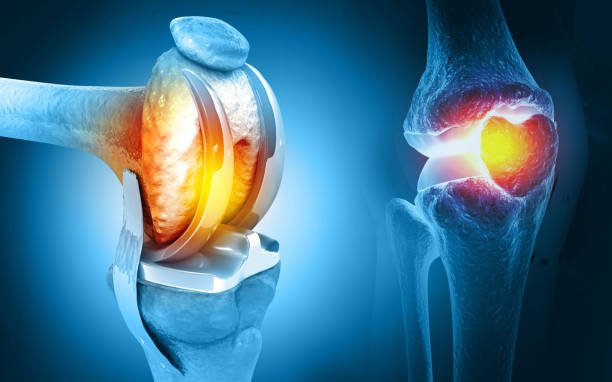
Partial knee replacement can suit selected patients whose arthritis mainly affects one compartment of the knee. Moreover, the procedure preserves healthy parts of the joint when clinical conditions allow. Therefore, careful evaluation remains essential before choosing this approach. In addition, your surgeon considers the location of arthritis, ligament stability, alignment, and overall knee condition. As a result, only appropriate candidates should undergo partial knee replacement.
Your orthopedic consultation begins with a detailed discussion about your symptoms and daily limitations. Moreover, your doctor will assess knee movement, alignment, strength, stability, and tenderness. Therefore, your specialist may recommend standing X-rays or other investigations to evaluate joint damage. In addition, your medical history and previous treatments can influence the surgical decision. As a result, a comprehensive evaluation helps your surgeon determine the most appropriate treatment strategy.
Preparation can help you understand the surgery and organize your recovery. Moreover, your medical team may recommend blood tests, imaging, medical clearance, or other assessments before surgery. Therefore, follow instructions regarding medications, exercise, nutrition, and pre-operative testing. In addition, prepare your home environment and arrange assistance during the early recovery period when necessary. As a result, good preparation can make the transition from hospital care to home rehabilitation easier.
Knee replacement aims to reduce pain and improve useful knee function in suitable patients. Moreover, severe arthritis can restrict walking and everyday activities for long periods. Therefore, replacing damaged joint surfaces can help selected patients regain greater mobility. In addition, successful rehabilitation can improve strength, flexibility, balance, and confidence with movement. As a result, many suitable patients can return to more comfortable daily activities after completing their recovery program.
Recovery continues well beyond the operation. Moreover, your body needs time to heal while your muscles regain strength and your knee improves its movement. Therefore, follow your orthopedic team’s instructions about walking, exercises, wound care, medicines, and follow-up visits. In addition, physiotherapy can guide your progress through different recovery stages. As a result, consistent rehabilitation can help you build strength and improve functional movement gradually.
Physiotherapy forms an important part of many knee replacement recovery programs. Moreover, surgery addresses damaged joint surfaces, while rehabilitation helps you rebuild movement and muscle function. Therefore, your physiotherapist may guide exercises for knee mobility, quadriceps strength, balance, walking, and functional activities. In addition, the exercise program should progress according to your recovery. As a result, regular rehabilitation can support your return to everyday activities.
Walking forms an important part of recovery after knee replacement. Moreover, your medical team can encourage appropriate movement according to your individual condition. Therefore, you may initially use a walking aid before gradually increasing your walking ability. In addition, your physiotherapist can teach safe walking patterns and exercises. As a result, gradual progress can help rebuild confidence and functional strength.
Patients often want to know when they can resume normal routines. Moreover, recovery varies depending on age, health, muscle strength, surgical approach, and rehabilitation progress. Therefore, your surgeon should guide your return to driving, work, exercise, and other activities. In addition, rushing into demanding activities can place unnecessary stress on your recovering knee. As a result, following a gradual activity plan can support safer recovery.
Age alone does not determine whether someone can undergo knee replacement. Moreover, doctors consider overall health, mobility, joint damage, symptoms, and functional goals. Therefore, older adults should receive a comprehensive medical assessment before surgery. In addition, appropriate preparation and rehabilitation can support recovery. As a result, individualized care helps the orthopedic team balance surgical benefits with each patient’s health and activity needs.
Knee arthritis can affect active adults and limit exercise, work, and recreational activities. Moreover, persistent pain may prevent people from maintaining their preferred lifestyle. Therefore, an orthopedic specialist can assess whether joint-preserving treatment or replacement offers a suitable solution. In addition, realistic activity goals can help guide treatment decisions. As a result, patients can choose care based on their knee condition and long-term functional requirements.