Dr Amit Saoji | Orthopedic Surgeon In Nagpur | Orthopedic Doctor in Nagpur

Shoulder Arthroscopy In Wardha
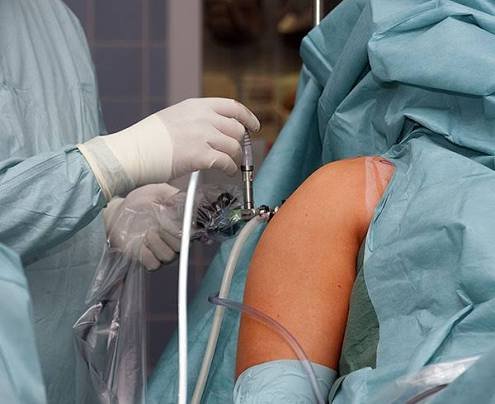
What Is Shoulder Arthroscopy?
Why Do Doctors Recommend Shoulder Arthroscopy?
Conditions Treated With Shoulder Arthroscopy
Shoulder arthroscopy can address several selected shoulder problems. Moreover, the appropriate procedure depends on the specific structure causing your symptoms. Therefore, an orthopedic surgeon may consider arthroscopy for:
- Rotator cuff problems
- Shoulder instability
- Labral injuries
- Selected cartilage damage
- Shoulder impingement
- Recurrent shoulder dislocation
- Certain tendon problems
- Selected joint inflammation
- Loose bodies inside the joint
- Some sports-related shoulder injuries
In addition, not every shoulder condition requires surgery. As a result, your specialist should recommend arthroscopy only when it fits your individual diagnosis and treatment needs.
Common Symptoms of Shoulder Problems
Shoulder conditions can produce different symptoms depending on the affected structure. Moreover, some problems develop gradually, while others follow an injury or repetitive activity. Therefore, consider an orthopedic consultation if you experience:
- Persistent shoulder pain
- Pain while lifting the arm
- Night-time shoulder pain
- Shoulder weakness
- Reduced range of motion
- Clicking or catching
- Shoulder instability
- Repeated dislocation
- Pain during sports
- Difficulty reaching overhead
- Trouble performing daily activities
In addition, severe pain after an injury deserves prompt medical evaluation. As a result, early assessment can help identify the appropriate treatment approach.
How Is a Shoulder Problem Diagnosed?
When Do You Need Shoulder Arthroscopy?
Shoulder Arthroscopy for Sports Injuries
Rotator Cuff Problems and Arthroscopy
Shoulder Instability and Arthroscopy
Labral Injuries and Shoulder Arthrosc
Benefits of Shoulder Arthroscopy
Potential Advantages Include:
- Small surgical openings
- Direct visualization of the joint
- Treatment of selected internal problems
- Individualized surgical planning
- Focused treatment
- Structured rehabilitation
- Support for gradual functional recovery
However, every surgical procedure carries potential risks. Therefore, discuss expected benefits, risks, alternatives, and recovery requirements with your orthopedic surgeon before making a decision.