Dr Amit Saoji | Orthopedic Surgeon In Nagpur | Orthopedic Doctor in Nagpur

Best Knee Surgeon In Yavatmal
Knee pain can affect walking, climbing stairs, exercising, and everyday comfort. Moreover, persistent pain can limit your mobility and reduce your confidence during physical activities. Therefore, consulting an experienced orthopedic specialist can help identify the underlying problem and guide you toward suitable care. In addition, the Best Knee Surgeon In Yavatmal can evaluate your symptoms, medical history, physical condition, and diagnostic reports before recommending treatment. As a result, you can understand your condition clearly and choose a treatment approach that matches your individual needs.
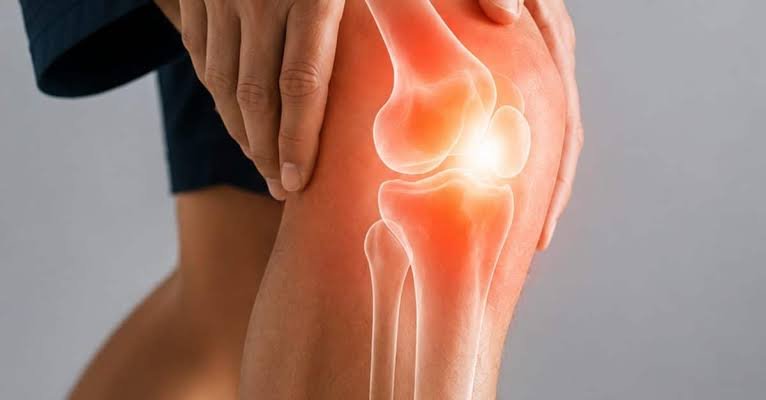
Expert Knee Care In Yavatmal
Finding the right knee specialist can make your treatment journey more comfortable and organized. Moreover, knee problems can develop from arthritis, ligament injuries, meniscus damage, cartilage problems, sports injuries, or previous trauma. Therefore, each patient needs an individualized assessment rather than a one-size-fits-all solution. In addition, an experienced knee surgeon can discuss conservative care, injections, arthroscopic procedures, or knee replacement when appropriate. As a result, you can make an informed decision about your knee health.
Common Knee Problems
Your knee contains several structures that work together to support movement and stability. Moreover, problems affecting these structures can produce pain, stiffness, swelling, or instability. Therefore, identifying the cause remains important before choosing treatment.
Common knee conditions include:
- Knee osteoarthritis
- ACL injuries
- Meniscus tears
- Cartilage injuries
- Ligament injuries
- Patellar problems
- Sports-related knee injuries
- Knee stiffness
- Chronic knee pain
- Joint degeneration
In addition, early evaluation can help your orthopedic specialist understand the condition and recommend an appropriate treatment plan.
When Should You Visit A Knee Surgeon?
You should consider an orthopedic consultation when knee pain continues despite rest or starts affecting your normal activities. Moreover, swelling, stiffness, instability, difficulty walking, or repeated knee locking can indicate an underlying problem. Therefore, do not ignore persistent symptoms or repeatedly rely on self-treatment. In addition, an orthopedic examination can help determine whether you need physiotherapy, medication, activity modification, an injection, arthroscopy, or another treatment. As a result, timely medical guidance can help you manage your knee condition more effectively.
How A Knee Surgeon Diagnoses Knee Problems
A knee specialist starts by discussing your symptoms, injury history, activity level, and previous treatments. Moreover, the surgeon examines knee movement, stability, swelling, alignment, and muscle strength. Therefore, a physical examination provides important information about the possible cause of your symptoms. In addition, your doctor may recommend X-rays, MRI scans, or other diagnostic tests when necessary. As a result, combining your medical history, examination, and appropriate imaging can provide a clearer understanding of your knee condition.
Non-Surgical Knee Treatment
Not every knee problem requires surgery. Moreover, many patients can improve their symptoms through suitable conservative treatment. Therefore, your knee specialist may recommend physiotherapy, strengthening exercises, weight management, activity modification, medication, or selected injections depending on your condition. In addition, rehabilitation can improve muscle strength and joint function. As a result, appropriate non-surgical care may help some patients manage pain and maintain mobility without an operation.
Knee Arthroscopy | Best Knee Surgeon In Yavatmal
Knee arthroscopy allows a surgeon to examine and treat certain problems inside the knee using a small camera and specialized instruments. Moreover, surgeons may use arthroscopic techniques for selected meniscus, cartilage, ligament, and other joint problems. Therefore, your doctor should first determine whether arthroscopy suits your specific condition. In addition, postoperative rehabilitation can support the recovery process after an arthroscopic procedure. As a result, patients can receive a treatment plan that combines the procedure with appropriate rehabilitation and activity progression.
Knee Replacement Surgery In Yavatmal
Severe knee arthritis can cause persistent pain, stiffness, and difficulty with everyday movement. Moreover, advanced joint damage can affect activities such as walking, climbing stairs, and standing for long periods. Therefore, your orthopedic surgeon may discuss knee replacement when conservative treatments no longer provide adequate relief and joint damage significantly affects your quality of life. In addition, your surgeon can explain the available implant options, surgical approach, recovery expectations, and rehabilitation plan. As a result, you can understand what knee replacement involves before making a treatment decision.
Who May Need Knee Replacement? | Best Knee Surgeon In Yavatmal
Knee replacement does not suit every person with knee pain. Moreover, doctors generally consider the severity of joint damage, persistent symptoms, functional limitations, previous treatments, and overall health. Therefore, an orthopedic assessment remains essential before considering surgery. In addition, your doctor may recommend non-surgical options when they can provide suitable symptom control. As a result, personalized evaluation helps ensure that treatment matches your actual condition and daily requirements.
Treatment For Sports-Related Knee Injuries
Sports can place considerable stress on the knee through running, jumping, twisting, and sudden direction changes. Moreover, these movements can contribute to ligament, meniscus, cartilage, and other knee injuries. Therefore, athletes should seek appropriate evaluation after significant knee pain, swelling, instability, or a sports injury. In addition, rehabilitation can focus on strength, balance, flexibility, coordination, and movement control. As a result, a structured recovery program can help active individuals work toward their fitness and sports goals.
ACL And Ligament Treatment | Best Knee Surgeon In Yavatmal
Ligament injuries can affect knee stability and make certain movements difficult. Moreover, ACL, MCL, and other ligament injuries can vary considerably in severity. Therefore, your knee specialist should assess the injury before recommending treatment. In addition, selected patients may benefit from rehabilitation, while others may require ligament reconstruction depending on instability, activity level, associated injuries, and personal goals. As a result, individualized treatment can address the specific demands of your knee rather than relying on a standard approach.
Meniscus Treatment
The meniscus helps distribute load and supports knee function during movement. Moreover, sports injuries, twisting movements, and age-related changes can contribute to meniscus problems. Therefore, symptoms such as joint-line pain, swelling, catching, or locking deserve an orthopedic evaluation. In addition, treatment may involve rehabilitation or arthroscopic management depending on the type, location, and severity of the tear. As a result, proper diagnosis helps your surgeon select an appropriate treatment strategy.
Knee Pain In Older Adults
Age-related joint changes can gradually cause knee pain and stiffness. Moreover, osteoarthritis can make walking, standing, and climbing stairs increasingly uncomfortable. Therefore, older adults should discuss persistent knee symptoms with an orthopedic specialist rather than simply accepting ongoing pain as unavoidable. In addition, treatment can range from exercise and physiotherapy to medication, injections, or surgery when appropriate. As a result, professional evaluation can help older adults understand their options and maintain their mobility.
Why Choose The Best Knee Surgeon In Yavatmal?
Choosing a knee surgeon involves more than searching for a convenient location. Moreover, you should consider the surgeon’s orthopedic qualifications, relevant knee experience, diagnostic facilities, surgical expertise, and approach to rehabilitation. Therefore, ask questions about your diagnosis, available treatments, expected recovery, potential risks, and rehabilitation requirements. In addition, clear communication can help you understand the benefits and limitations of each option. As a result, you can make a more confident and informed decision about your knee care.
Personalized Knee Treatment In Yavatmal
Every patient’s knee condition has different causes and treatment requirements. Moreover, your age, activity level, symptoms, medical history, imaging findings, and personal goals can influence the treatment plan. Therefore, a personalized approach can provide more relevant care than a generic treatment strategy. In addition, your specialist can monitor your progress and adjust the treatment plan when necessary. As a result, you can work toward better mobility and improved knee function with appropriate professional guidance.
Recovery After Knee Surgery
Recovery depends on the type of procedure, your overall health, associated injuries, and rehabilitation progress. Moreover, patients often need a structured rehabilitation program after knee surgery. Therefore, physiotherapy may focus on restoring movement, improving strength, reducing stiffness, and developing functional control. In addition, your healthcare team can guide you through activity progression according to your recovery. As a result, following professional instructions can support a steady and safe return to daily activities.
Physiotherapy After Knee Surgery
Physiotherapy plays an important role in many knee recovery programs. Moreover, targeted exercises can improve flexibility, muscle strength, balance, and movement patterns. Therefore, your physiotherapist can gradually increase exercise intensity as your knee improves. In addition, rehabilitation may include walking practice, strengthening exercises, balance training, and functional activities. As a result, consistent rehabilitation can help you rebuild confidence and improve your ability to perform everyday movements.
When Should You Seek Immediate Knee Care?
Some knee symptoms require prompt medical attention. Moreover, severe pain after an injury, significant swelling, inability to bear weight, visible deformity, or a locked knee can indicate a serious problem. Therefore, seek appropriate medical evaluation rather than continuing strenuous activity. In addition, sudden instability after a sports injury can require an orthopedic assessment. As a result, timely care can help identify significant injuries and determine the next appropriate step.
Frequently Asked Questions
A knee surgeon evaluates conditions such as arthritis, ligament injuries, meniscus tears, cartilage problems, sports injuries, chronic knee pain, and severe joint damage.
Moreover, persistent pain, swelling, stiffness, instability, locking, or difficulty walking can indicate the need for an orthopedic evaluation.
No. Therefore, your doctor may recommend physiotherapy, medication, activity modification, injections, or other conservative treatments when appropriate.
Knee replacement may become an option when severe joint damage causes persistent symptoms and significantly affects daily activities despite suitable non-surgical treatment.
Knee arthroscopy uses a small camera and specialized instruments to examine and treat selected problems inside the knee joint.
Yes. In addition, orthopedic knee specialists can evaluate and manage selected ligament, meniscus, cartilage, and other sports-related knee injuries.
Yes. Moreover, structured rehabilitation can help restore movement, strength, balance, and functional knee control.
Book An Appointment With The Best Knee Surgeon In Yavatmal
Do not let persistent knee pain continue to control your daily routine. Moreover, an orthopedic consultation can help you understand the cause of your symptoms and available treatment choices. Therefore, schedule an appointment if knee pain, stiffness, swelling, instability, or reduced mobility affects your quality of life. In addition, bring previous MRI scans, X-rays, prescriptions, and medical reports when available. As a result, your knee specialist can review your history and provide personalized guidance.Book an Appointment