Dr Amit Saoji | Orthopedic Surgeon In Nagpur | Orthopedic Doctor in Nagpur

Best ACL Doctor In Wardha
An ACL injury can affect your walking, sports performance, knee stability, and confidence. Moreover, delaying proper evaluation can make it harder to understand the extent of the injury. Therefore, consulting an experienced orthopedic specialist can help you identify the problem and explore suitable treatment options. In addition, the Best ACL Doctor In Wardha can assess your symptoms, activity level, knee stability, and imaging results before recommending a personalized treatment plan. As a result, you can understand whether rehabilitation, activity modification, or ACL surgery suits your condition.
What Is an ACL Injury? | Best ACL Doctor In Wardha
The anterior cruciate ligament, commonly called the ACL, helps stabilize the knee during movement, turning, and changes in direction. Moreover, sudden twisting, landing incorrectly, sports collisions, or rapid direction changes can injure this important ligament. Therefore, athletes often experience ACL injuries during football, cricket, basketball, badminton, and other sports. In addition, an ACL injury can cause pain, swelling, instability, or difficulty putting weight on the affected leg. As a result, timely orthopedic assessment can help determine the severity of the injury.
Why Choose the Best ACL Doctor In Wardha?
Choosing the right orthopedic specialist can make your treatment journey more structured and informed. Moreover, ACL treatment requires accurate diagnosis, careful treatment planning, and appropriate rehabilitation. Therefore, look for a specialist who evaluates your individual condition rather than recommending the same treatment for every patient. In addition, an experienced ACL doctor can explain both surgical and non-surgical options when appropriate. As a result, you can make a confident decision based on your knee condition, lifestyle, and recovery goals.
Common Symptoms of an ACL Injury
ACL injuries can produce several symptoms, especially after a sudden knee movement or sports injury. Moreover, symptoms can vary depending on the injury severity and whether other knee structures also have damage. Therefore, seek an orthopedic evaluation if you experience:
- Sudden knee pain
- Knee swelling
- A popping sensation during injury
- Difficulty walking
- Knee instability
- Reduced knee movement
- Difficulty changing direction
- Pain during sports
- Feeling that the knee may give way
- Reduced confidence while using the injured leg
In addition, persistent symptoms deserve professional assessment. As a result, early evaluation can help identify the appropriate treatment approach.
How Does an ACL Doctor Diagnose the Injury?
An ACL specialist usually begins with your injury history and a detailed knee examination. Moreover, the doctor checks knee stability, movement, swelling, tenderness, and muscle function. Therefore, the specialist may recommend imaging when clinically appropriate. In addition, an MRI can provide detailed information about the ACL and other soft tissues around the knee. As a result, combining clinical examination with suitable imaging can help the doctor understand the injury and plan treatment.
ACL Treatment Options In Wardha
Treatment depends on the ACL injury, your activity level, knee stability, age, associated injuries, and personal goals. Moreover, not every ACL injury requires immediate surgery. Therefore, your orthopedic specialist may consider rehabilitation and activity modification in selected cases. In addition, patients with significant instability or specific activity requirements may require surgical reconstruction. As a result, personalized treatment can provide a more suitable approach for each patient.
Treatment Options May Include:
- Activity modification
- Physiotherapy
- Strengthening exercises
- Balance training
- Bracing when appropriate
- Pain management
- ACL reconstruction surgery
- Structured rehabilitation
However, your doctor should determine the most appropriate option after a complete evaluation.
When Is ACL Surgery Necessary?
Doctors may consider ACL reconstruction when the knee remains unstable or when the injury significantly affects your activities. Moreover, athletes who want to return to sports involving pivoting and sudden direction changes may require careful surgical assessment. Therefore, your orthopedic specialist considers your symptoms, knee stability, associated injuries, activity demands, and rehabilitation expectations. In addition, the doctor discusses non-surgical options when they remain suitable. As a result, you can choose a treatment approach based on your individual needs.
What Is ACL Reconstruction Surgery? | Best ACL Doctor In Wardha
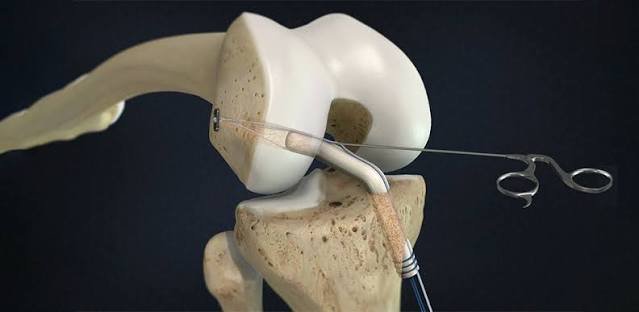
ACL reconstruction surgery replaces the damaged ligament with a suitable graft to help restore knee stability. Moreover, surgeons commonly use arthroscopic techniques for ACL reconstruction. Therefore, the procedure uses small surgical openings and specialized instruments to access the knee. In addition, the surgeon selects the reconstruction technique and graft according to the patient’s condition and clinical requirements. As a result, the goal of surgery involves restoring stability and supporting a gradual return to functional activities.
Benefits of ACL Reconstruction
ACL reconstruction can provide important benefits for appropriately selected patients. Moreover, restoring knee stability can help patients perform everyday movements with greater confidence. Therefore, successful treatment combined with proper rehabilitation can support functional recovery. In addition, athletes can work toward returning to sports through a carefully planned rehabilitation program. As a result, surgery and rehabilitation together can help patients progress toward their individual activity goals.
Potential Benefits Include: | Best ACL Doctor In Wardha
- Improved knee stability
- Better confidence during movement
- Support for active lifestyles
- Improved functional movement
- Reduced episodes of knee giving way
- Structured return-to-sport rehabilitation
- Better management of certain ACL-related instability
However, individual outcomes vary. Therefore, discuss expected benefits and potential risks with your orthopedic specialist.
ACL Surgery Recovery
Recovery after ACL reconstruction requires patience and consistent rehabilitation. Moreover, the recovery process progresses through different stages rather than following one fixed timeline for everyone. Therefore, follow your surgeon’s and physiotherapist’s instructions carefully. In addition, rehabilitation usually focuses on controlling swelling, restoring movement, rebuilding strength, improving balance, and gradually increasing functional activity. As a result, consistent rehabilitation can support steady progress toward normal activities.
Physiotherapy After ACL Surgery | Best ACL Doctor In Wardha
Physiotherapy plays an important role in ACL recovery. Moreover, your rehabilitation program should match your surgical procedure, recovery stage, strength, movement, and activity goals. Therefore, your physiotherapist can gradually introduce exercises that improve mobility, muscle strength, balance, coordination, and functional control. In addition, athletes may require sport-specific training before returning to competitive activities. As a result, structured physiotherapy can help you rebuild confidence and prepare your knee for increasing physical demands.
Returning to Sports After ACL Treatment
Athletes often want to return to sports quickly after an ACL injury. However, returning too early can place unnecessary stress on a recovering knee. Therefore, athletes should complete appropriate rehabilitation and meet professional recovery criteria before resuming demanding sports. Moreover, your rehabilitation team can assess strength, movement control, balance, and sport-specific performance. In addition, a gradual return-to-sport program can help prepare your knee for cutting, jumping, landing, and direction changes. As a result, athletes can work toward a safer and more confident return to their chosen sport.
ACL Injury Prevention Tips | Best ACL Doctor In Wardha
You cannot prevent every ACL injury, but appropriate training can help improve movement control and physical readiness. Moreover, athletes should focus on strength, flexibility, balance, and proper landing techniques. Therefore, include suitable warm-up and conditioning exercises in your training routine. In addition, avoid sudden increases in training intensity and learn correct techniques for jumping, landing, and changing direction. As a result, good preparation can support healthier knee movement during sports.
Helpful Habits Include:
- Warm up before sports
- Strengthen leg muscles
- Improve balance and coordination
- Practice proper landing techniques
- Maintain flexibility
- Increase training gradually
- Use appropriate sports techniques
- Take adequate recovery time
- Address knee symptoms early
ACL Doctor For Sports Injuries In Wardha
Sports injuries can affect athletes at every level. Moreover, ACL injuries often involve movements such as sudden stopping, twisting, jumping, or changing direction. Therefore, persistent knee pain or instability after a sports injury deserves an orthopedic evaluation. In addition, an ACL specialist can assess your sports requirements and recovery goals. As a result, your treatment plan can address both your current injury and your future activity needs.
Why Early ACL Evaluation Matters
An ACL injury can affect knee stability and everyday movement. Moreover, some patients may continue to experience instability after an injury if they do not receive appropriate evaluation and management. Therefore, consult an orthopedic specialist when knee instability, swelling, or pain continues after an injury. In addition, early assessment can identify associated injuries and help you understand available treatment options. As a result, you can make a timely decision about rehabilitation or further treatment.
Why Choose ACL Treatment In Wardha? | Best ACL Doctor In Wardha
Receiving treatment in a convenient location can make consultations, rehabilitation, and follow-up easier to manage. Moreover, ACL recovery involves several stages, including diagnosis, treatment planning, rehabilitation, and activity progression. Therefore, consider an orthopedic specialist who provides clear information throughout your treatment journey. In addition, evaluate the doctor’s experience with ACL injuries, sports-related knee problems, and rehabilitation planning. As a result, you can choose care that matches your individual requirements.
Frequently Asked Questions
An ACL specialist evaluates and treats ACL injuries, knee instability, and related sports injuries.
Pain, swelling, instability, reduced movement, and a popping sensation can occur with an ACL injury.
No. Some patients can manage selected ACL injuries with structured rehabilitation and activity modification.
Doctors may consider reconstruction when significant instability or specific activity demands make surgery appropriate.
The doctor uses a physical examination and may recommend MRI or other imaging when appropriate.
Some ACL injuries can receive non-surgical management. Your orthopedic specialist should assess your individual condition.
Surgeons commonly perform ACL reconstruction using arthroscopic techniques with small surgical openings.
Book an Appointment With the Best ACL Doctor In Wardha
Do not let an ACL injury keep you away from your normal activities or favorite sports. Moreover, accurate diagnosis can help you understand whether your knee needs rehabilitation, activity modification, or surgical treatment. Therefore, schedule an orthopedic consultation if you experience persistent pain, swelling, instability, or difficulty using your knee after an injury. In addition, bring previous MRI scans, X-rays, medical reports, and treatment details when available. As a result, your specialist can review your history and discuss appropriate treatment options.Book an Appointment