Dr Amit Saoji | Orthopedic Surgeon In Nagpur | Orthopedic Doctor in Nagpur

Best Ligament Doctor In Gondia
Why Choose The Best Ligament Doctor In Gondia?
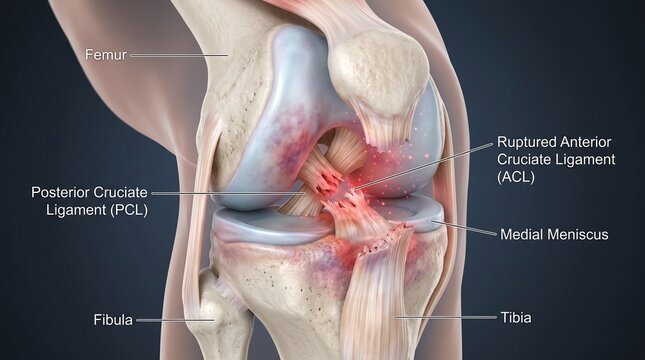
Common Ligament Injuries Treated
Ligaments connect bones and provide stability around joints. Moreover, sudden movements or direct impacts can stretch or tear these strong tissues. Therefore, professional assessment remains important after a significant injury.
Common ligament problems include:
- ACL injuries
- PCL injuries
- MCL injuries
- LCL injuries
- Partial ligament tears
- Complete ligament tears
- Recurrent ligament injuries
- Sports-related ligament injuries
- Knee instability
- Combined ligament injuries
In addition, your orthopedic specialist can assess associated meniscus, cartilage, or bone injuries when necessary.
Symptoms Of A Ligament Injury
Ligament injuries can produce different symptoms depending on the location and severity of the damage. Moreover, some injuries cause immediate symptoms, while others create problems during activity. Therefore, seek professional evaluation if you notice:
- Sudden knee pain
- Swelling after an injury
- A popping sensation
- Knee instability
- Difficulty walking
- Limited knee movement
- Pain while turning or pivoting
- Difficulty climbing stairs
- Reduced sports performance
- Repeated episodes of the knee giving way
As a result, early assessment can help determine the severity of the injury and guide appropriate care.
ACL Injury Treatment In Gondia
PCL Injury Treatment In Gondia
MCL And LCL Injury Treatment
Sports Ligament Injuries In Gondia
How A Ligament Doctor Diagnoses An Injury
Non-Surgical Ligament Treatment In Gondia
Ligament Surgery In Gondia
ACL Reconstruction In Gondia
Arthroscopic Ligament Treatment
Ligament Rehabilitation In Gondia
Returning To Sports After A Ligament Injury
Benefits Of Consulting A Ligament Specialist
A ligament-focused orthopedic consultation can help you understand your injury and treatment options. Moreover, professional assessment can provide:
- Detailed ligament evaluation
- Knee stability assessment
- Injury-specific treatment planning
- ACL and PCL evaluation
- MCL and LCL assessment
- Sports injury guidance
- Physiotherapy recommendations
- Surgical consultation when appropriate
- Rehabilitation planning
- Return-to-activity guidance
Therefore, consulting a qualified ligament doctor can help you take informed steps toward better knee function.