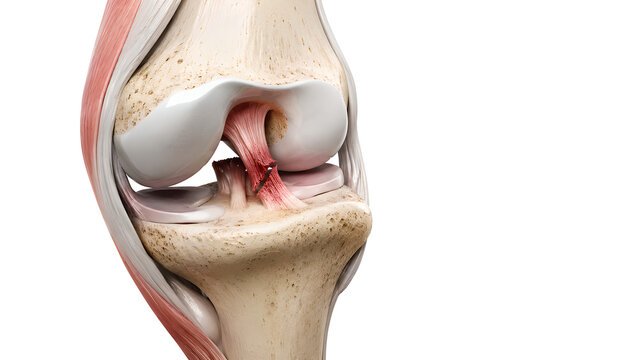
A ligament tear can range from a mild stretch to a complete rupture. Therefore, your specialist needs to determine the extent of damage before recommending treatment. In addition, clinical examination and appropriate imaging can provide useful information about ligament integrity. However, a complete tear does not automatically mean that every patient needs surgery. As a result, treatment decisions should consider joint stability, physical demands, age, associated injuries, and individual goals.
A detailed examination helps your orthopedic specialist understand how the injured joint functions. Therefore, the doctor may assess swelling, tenderness, movement, strength, and stability using specific clinical tests. In addition, X-rays can help identify bone-related concerns, while MRI can show soft-tissue structures when required. However, every patient does not need the same investigations. As a result, your specialist selects diagnostic tests according to your symptoms and examination findings.
Selected ligament injuries can improve with appropriate conservative care. Therefore, your specialist may recommend rest, activity modification, physiotherapy, strengthening exercises, or bracing depending on your condition. In addition, rehabilitation can improve muscle strength, balance, coordination, and joint control. However, you should not return to demanding activities before your doctor or physiotherapist recommends it. As a result, structured non-surgical treatment can help suitable patients regain function while protecting the injured joint.
Some patients with significant instability may require ligament reconstruction. Therefore, your orthopedic surgeon evaluates the injured ligament, activity level, associated damage, and overall knee or joint function before recommending surgery. In addition, the surgeon can discuss graft options, surgical techniques, rehabilitation, and expected milestones. However, surgery does not represent the best option for every ligament injury. As a result, your specialist should compare surgical and non-surgical approaches before making a treatment recommendation.
Arthroscopic procedures allow surgeons to examine and treat selected joint problems using a small camera and specialized instruments. Therefore, orthopedic surgeons commonly use arthroscopic techniques for certain ACL procedures and other suitable ligament conditions. In addition, the surgeon can assess associated structures such as the meniscus and cartilage during treatment. However, the appropriate surgical technique depends on the specific injury. As a result, your orthopedic specialist should evaluate your joint carefully before recommending arthroscopy.
Specialized orthopedic care can provide clearer information about your injury and recovery options. Therefore, a ligament specialist can evaluate joint stability, identify associated damage, and explain appropriate treatment choices. In addition, the doctor can guide you through rehabilitation and activity progression. However, treatment should always reflect your individual diagnosis rather than follow a standard formula. As a result, personalized care can help you make a more informed decision about your joint health.
Athletes place considerable stress on their joints during running, jumping, landing, and rapid changes in direction. Therefore, sports can contribute to ACL, PCL, ankle, shoulder, and other ligament injuries. In addition, repeated training without adequate recovery can increase physical stress on vulnerable structures. However, athletes should not ignore pain or instability after an injury. As a result, early orthopedic evaluation can help identify the problem and guide a safe return-to-sport plan.
Rehabilitation plays an important role in restoring strength and joint control after many ligament injuries. Therefore, a physiotherapist can develop exercises according to your diagnosis and recovery stage. In addition, therapy may improve flexibility, balance, muscle strength, coordination, and functional movement. However, rehabilitation should progress gradually to avoid unnecessary stress on healing tissues. As a result, following your physiotherapy program consistently can support a controlled return to everyday activities and sports.
Recovery after ligament surgery varies according to the procedure, injury severity, overall health, and rehabilitation progress. Therefore, your medical team may introduce movement, strengthening, balance, and functional exercises in stages. In addition, your physiotherapist can monitor progress and adjust exercises according to your recovery. However, every patient follows a different recovery path. As a result, following your surgeon’s activity restrictions and rehabilitation instructions can support steady progress.
Athletes often require additional conditioning before returning to competitive sports. Therefore, rehabilitation may gradually develop strength, balance, agility, coordination, and confidence in the injured joint. In addition, sport-specific exercises can prepare the body for movements required during competition. However, feeling less pain does not automatically mean that the joint has regained full functional strength. As a result, return to sports should follow professional clearance and an appropriate rehabilitation plan.
Good physical preparation can support healthier joint movement and may reduce certain injury risks. Therefore, athletes should include warm-ups, strength exercises, balance training, flexibility work, and proper movement techniques in their routines. In addition, gradual increases in training intensity can allow the body to adapt to changing demands. However, no prevention strategy can completely eliminate injury risk. As a result, proper conditioning and early attention to joint symptoms can support long-term joint health.
Choosing the Best Ligament Doctor In Chhindwara involves more than selecting a specialist based on a title. Therefore, consider the doctor’s orthopedic expertise, diagnostic approach, experience with ligament injuries, surgical skills when required, and rehabilitation guidance. In addition, a good consultation should allow you to ask questions about treatment choices and recovery. However, no treatment can guarantee identical results for every patient. As a result, choose a specialist who provides realistic guidance and develops care around your individual needs.
Proper preparation can help you understand what to expect before a surgical procedure. Therefore, your medical team may provide instructions about medications, diagnostic tests, physical activity, and other preoperative requirements. In addition, improving muscle strength and joint movement before surgery may benefit selected patients when their doctor recommends prehabilitation. However, preparation requirements vary according to the procedure and individual health. As a result, follow your orthopedic team’s instructions carefully before surgery.
Every surgical procedure involves potential risks and limitations. Therefore, your orthopedic specialist should explain possible complications, expected benefits, alternative treatments, and rehabilitation requirements before surgery. In addition, provide complete information about your medications, allergies, previous operations, and relevant health conditions. However, individual risks vary according to the procedure and personal health factors. As a result, an informed consultation can help you understand your treatment and make a confident decision.