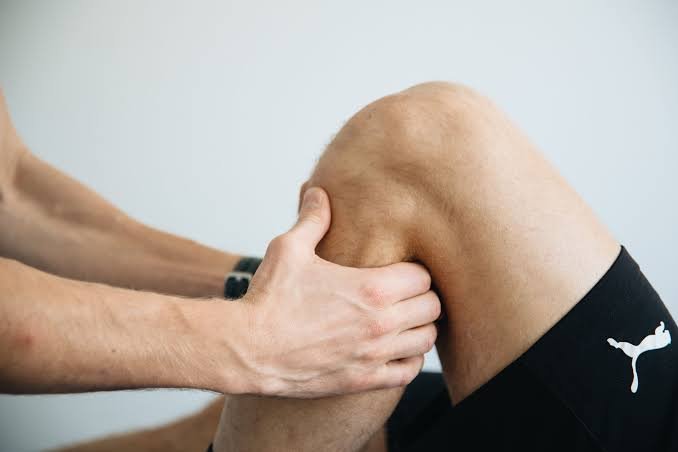
Sports such as cricket, football, badminton, basketball, and running can place considerable demands on the knee. Therefore, athletes may develop ligament injuries, meniscus tears, cartilage problems, or tendon irritation. In addition, sudden stops, awkward landings, and direction changes can increase injury risk. However, athletes should not continue intense activity when significant pain or instability occurs. As a result, early orthopedic evaluation can support a safer return to sports.
A thorough examination helps your doctor understand how your knee functions and where the problem originates. Therefore, the specialist may assess movement, strength, swelling, tenderness, alignment, and joint stability. In addition, X-rays can show bone and joint changes, while MRI can provide information about soft tissues when necessary. However, every patient does not need the same diagnostic tests. As a result, your doctor selects investigations according to your symptoms and clinical findings.
Many knee conditions can improve with appropriate non-surgical care. Therefore, your doctor may recommend physiotherapy, exercise, activity modification, medication, weight management, or other suitable options. In addition, strengthening the muscles around the knee can support joint function in selected patients. However, treatment should match your diagnosis and physical condition. As a result, following a personalized plan can help manage symptoms and improve daily movement.
Physiotherapy can support recovery and improve knee function for many conditions. Therefore, a physiotherapist can design exercises based on your diagnosis, strength, mobility, and recovery stage. In addition, therapy may focus on flexibility, muscle strength, balance, coordination, and functional movement. However, incorrect or excessive exercise can sometimes aggravate symptoms. As a result, follow a structured rehabilitation program under appropriate professional guidance.
Arthroscopy allows an orthopedic surgeon to examine and treat selected problems inside the knee using a small camera and specialized instruments. Therefore, surgeons may use arthroscopic techniques for certain meniscus injuries, ligament procedures, cartilage problems, and other suitable conditions. In addition, the surgeon can directly inspect internal joint structures during treatment. However, arthroscopy does not suit every cause of knee pain. As a result, your specialist should evaluate your condition carefully before recommending the procedure.
Advanced knee arthritis can cause severe pain and significantly limit daily activities. Therefore, selected patients may benefit from knee replacement when joint damage and symptoms substantially affect their quality of life. In addition, your orthopedic surgeon evaluates your symptoms, imaging findings, overall health, and previous treatments before discussing replacement. However, knee replacement does not represent the first choice for every patient with knee pain. As a result, your doctor considers appropriate conservative treatments before recommending surgery.
Certain symptoms can indicate the need for professional orthopedic evaluation. Therefore, consider consulting the Best Knee Pain Doctor In Chhindwara if you experience persistent pain, repeated swelling, stiffness, instability, or difficulty walking. In addition, seek medical attention when knee symptoms interfere with sleep, work, exercise, or everyday activities. However, sudden severe pain following an accident or sports injury may require faster evaluation. As a result, timely consultation can help identify the cause and guide suitable treatment.
Falls, sports accidents, twisting movements, and direct impacts can cause sudden knee pain. Therefore, an injury may affect ligaments, meniscus, cartilage, tendons, or bones. In addition, swelling, bruising, instability, or restricted movement can provide important clinical information. However, symptoms may not reveal the full extent of internal damage. As a result, an orthopedic examination and appropriate imaging can help your doctor understand the injury.
Pain during walking can affect your independence and everyday comfort. Therefore, arthritis, ligament problems, cartilage damage, tendon conditions, and previous injuries can contribute to walking-related discomfort. In addition, weakness around the knee may change the way you walk and place additional stress on other areas. However, the cause varies from person to person. As a result, a professional evaluation can help identify the source and establish an appropriate treatment plan.
Climbing stairs can place considerable demand on the knee joint and surrounding muscles. Therefore, people with arthritis, patellar problems, muscle weakness, or certain injuries may experience increased discomfort during stairs. In addition, difficulty climbing stairs can indicate reduced knee strength or mobility. However, this symptom does not identify one specific condition. As a result, your orthopedic specialist can evaluate your knee and recommend appropriate treatment.
Recovery depends on your diagnosis, treatment method, physical condition, and rehabilitation progress. Therefore, your doctor may gradually introduce movement exercises, strengthening work, balance training, and functional activities. In addition, physiotherapy can help you regain mobility and confidence during recovery. However, every patient follows a different timeline. As a result, follow your specialist’s instructions and increase activity according to your individual progress.
Rehabilitation can play an important role after many knee procedures. Therefore, physiotherapy may focus on restoring movement, muscle strength, balance, coordination, and functional ability. In addition, your physiotherapist can adjust exercises as your knee improves. However, returning to demanding activities too quickly can place unnecessary stress on the recovering joint. As a result, follow your rehabilitation schedule and your surgeon’s activity recommendations.
Healthy lifestyle and movement habits can support long-term knee function. Therefore, regular strength training, appropriate flexibility exercises, healthy body weight, proper footwear, and gradual increases in physical activity can benefit knee health. In addition, athletes should include warm-ups and recovery periods in their training routines. However, prevention cannot eliminate every risk of injury. As a result, responding early to persistent symptoms can help protect your knee.
Choosing the Best Knee Pain Doctor In Chhindwara involves considering orthopedic expertise, diagnostic skills, treatment experience, rehabilitation guidance, and communication. Therefore, select a specialist who takes time to understand your symptoms and explains available options clearly. In addition, ask questions about expected recovery, lifestyle changes, treatment alternatives, and follow-up care. However, every patient has different medical needs. As a result, personalized assessment should guide your treatment decision rather than a one-size-fits-all approach.
A detailed consultation allows your orthopedic specialist to understand how knee pain affects your lifestyle. Therefore, your doctor may ask when symptoms started, what activities increase discomfort, whether an injury occurred, and what treatments you have already tried. In addition, the specialist can assess knee movement, strength, alignment, swelling, and stability. However, additional tests may become necessary when the initial examination does not provide enough information. As a result, a complete consultation can create a clearer path toward appropriate care.
Proper preparation can help you understand the treatment process and recovery requirements. Therefore, your medical team may provide instructions about medications, investigations, exercise, nutrition, and physical activity. In addition, improving knee movement and muscle strength before surgery may benefit selected patients when their doctor recommends prehabilitation. However, preparation varies according to the procedure and individual health. As a result, follow your orthopedic team’s instructions carefully before surgery.
Every medical procedure involves potential risks and limitations. Therefore, your orthopedic specialist should explain expected benefits, possible complications, alternative treatments, and rehabilitation requirements before recommending surgery. In addition, share accurate information about medications, allergies, previous surgeries, and relevant health conditions. However, individual risks vary according to the procedure and personal health factors. As a result, an informed consultation can help you understand your treatment options and make a confident decision.
Local orthopedic care can make consultations, follow-ups, and rehabilitation easier to manage. Therefore, choosing a knee specialist in Chhindwara can support continuity throughout your treatment journey. In addition, regular appointments allow your medical team to monitor your progress and address concerns during recovery. However, location should not replace appropriate medical expertise. As a result, choose a specialist who provides suitable diagnosis, treatment planning, and rehabilitation guidance for your knee condition.