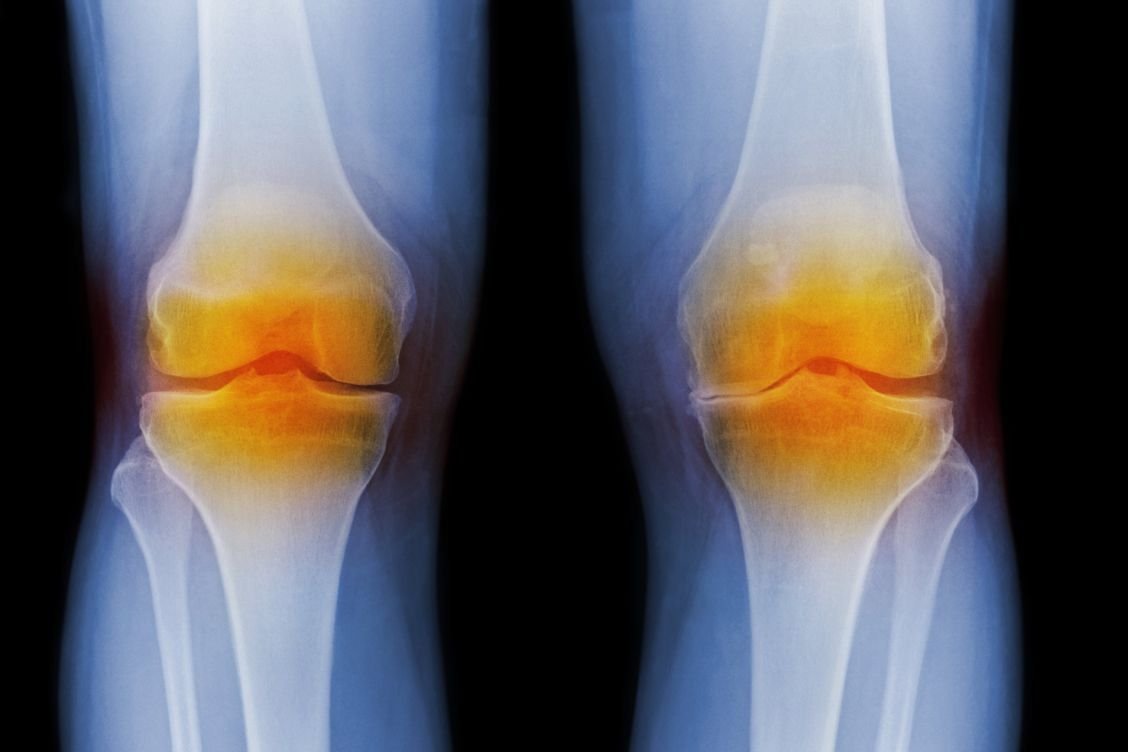
Many knee conditions can improve without surgery when doctors identify them early and select suitable conservative care. Therefore, your specialist may recommend physiotherapy, activity modification, medication, weight management, or other appropriate treatments. In addition, rehabilitation can improve muscle strength, flexibility, balance, and joint function. However, conservative treatment may not provide enough relief for advanced structural problems. As a result, your doctor monitors your progress and discusses surgical options when necessary.
Arthroscopy uses a small camera to help the surgeon view the inside of the knee through small surgical openings. Therefore, the technique can help treat selected meniscus, cartilage, ligament, and other joint problems. In addition, specialized instruments allow the surgeon to address specific issues during the procedure. However, arthroscopy does not suit every knee condition. As a result, your orthopedic specialist evaluates the injury and explains whether arthroscopic treatment may benefit you.
ACL reconstruction can help restore stability in selected patients with significant ligament injuries. Therefore, the surgeon uses a suitable graft to create a new ligament structure that supports knee stability. In addition, the surgeon may address associated meniscus or cartilage problems when necessary. However, surgical treatment requires a structured rehabilitation program. As a result, your surgeon considers your sport, activity level, knee stability, injury pattern, and recovery goals before recommending reconstruction.
Advanced knee arthritis can significantly affect mobility and quality of life. Therefore, knee replacement may become an option for selected patients when severe joint damage causes persistent pain and conservative treatment no longer provides sufficient relief. In addition, the surgeon evaluates knee alignment, movement, joint damage, overall health, and functional limitations before recommending replacement. However, not every patient with arthritis needs joint replacement. As a result, an individualized orthopedic evaluation remains essential.
Different replacement procedures address different patterns of joint damage. Therefore, your surgeon may discuss partial knee replacement when damage mainly affects one compartment and the remaining joint structures remain suitable. In addition, total knee replacement can address more extensive joint damage. However, the appropriate procedure depends on factors such as arthritis distribution, ligament condition, bone quality, and overall knee function. As a result, your surgeon selects the most suitable option after evaluating your complete knee.
An experienced knee specialist can provide structured evaluation and explain available treatment options clearly. Therefore, you can better understand whether rehabilitation, arthroscopy, ligament reconstruction, or joint replacement may suit your condition. In addition, a specialist can coordinate treatment with physiotherapy to support functional recovery. However, experience alone does not guarantee a particular outcome. As a result, choose a doctor who combines clinical expertise with careful diagnosis, clear communication, and individualized treatment planning.
Good preparation can help you understand the procedure and recovery process. Therefore, your medical team may recommend health evaluations, diagnostic tests, medication instructions, and pre-surgery exercises. In addition, appropriate strengthening can benefit selected patients before surgery when the doctor recommends it. However, preparation requirements vary according to the procedure and your overall health. As a result, follow your surgeon’s instructions carefully before undergoing treatment.
Recovery depends on the type of knee procedure, your overall health, and the condition treated. Therefore, your doctor may recommend controlled movement, prescribed medication, rest, and physiotherapy during different stages. In addition, rehabilitation can improve flexibility, strength, balance, and functional movement. However, returning to demanding activities too quickly can interfere with recovery. As a result, follow your rehabilitation plan and attend recommended follow-up appointments.
Physiotherapy plays an important role after many knee treatments. Therefore, a physiotherapist can create exercises that match your procedure and recovery stage. In addition, therapy can focus on improving knee movement, strengthening surrounding muscles, developing balance, and restoring functional confidence. However, exercise intensity should increase gradually. As a result, consistent rehabilitation can support a safer return to work, exercise, sports, and everyday activities.
Athletes often want to return to sports as soon as possible after an injury or procedure. Therefore, rehabilitation should gradually rebuild strength, balance, agility, coordination, and movement control. In addition, sport-specific exercises can prepare the knee for demanding movements when your recovery allows them. However, feeling less pain does not automatically mean that your knee has fully recovered. As a result, return to sports should follow professional assessment and appropriate clearance.
Every medical procedure involves potential risks and limitations. Therefore, your orthopedic surgeon should explain possible complications, expected benefits, alternative treatments, and recovery requirements before surgery. In addition, individual risks can depend on your health, medications, injury, and procedure. However, no treatment can guarantee identical results for every patient. As a result, an open discussion with your specialist can help you make an informed decision about your knee care.
The cost of knee treatment can vary according to the diagnosis and procedure. Therefore, expenses may include consultation, diagnostic tests, surgeon fees, hospital charges, implants, medicines, and rehabilitation. In addition, associated injuries or complex procedures can influence the overall cost. However, different hospitals and treatment plans may have different pricing. As a result, ask your healthcare provider for a detailed estimate based on your diagnosis and recommended treatment.