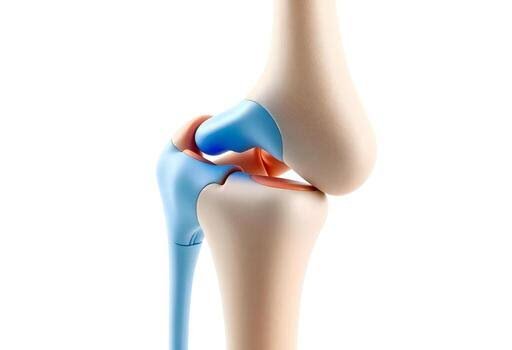
Sports can place repeated stress on ligaments, especially during running, jumping, pivoting, and sudden stopping. Therefore, athletes involved in cricket, football, basketball, badminton, tennis, and similar activities should take joint injuries seriously. In addition, proper conditioning and movement techniques can support injury prevention. However, no prevention method can eliminate every injury risk. As a result, early evaluation after a significant sports injury can help athletes understand the condition and recovery requirements.
Persistent instability, swelling, pain, or difficulty using a joint can indicate the need for professional evaluation. Therefore, consider consulting an orthopedic ligament specialist after a significant sports injury, fall, twisting event, or collision. In addition, seek evaluation if your joint repeatedly gives way during normal activities. However, mild sprains may improve with appropriate conservative care. As a result, an early assessment can help identify the injury and prevent unnecessary delays in treatment.
A careful diagnosis helps your doctor understand the affected ligament and the extent of damage. Therefore, the consultation may include a physical examination, movement assessment, stability tests, and medical history review. In addition, X-rays can help assess bones, while MRI can provide detailed information about ligaments and other soft tissues when necessary. However, not every patient requires the same investigations. As a result, your specialist selects diagnostic tests according to your symptoms and examination findings.
Surgery may become an option when a significant ligament tear causes persistent instability or when conservative treatment does not provide adequate functional improvement. Therefore, your orthopedic specialist evaluates the injury, joint stability, activity level, associated damage, and recovery expectations. In addition, athletes may require stable joint function for demanding sports. However, surgery does not suit every ligament injury. As a result, your doctor should compare rehabilitation and surgical options before recommending an operation.
Arthroscopic techniques allow surgeons to view certain joints using a small camera and specialized instruments. Therefore, arthroscopic procedures can provide access to selected ligament injuries through small surgical openings. In addition, surgeons can evaluate associated structures such as cartilage or meniscus during appropriate knee procedures. However, the surgical approach depends on the joint, injury, and treatment objective. As a result, your orthopedic surgeon will explain the recommended technique before treatment.
Ligament reconstruction uses a suitable graft to create a new structure that restores joint stability in selected patients. Therefore, the surgeon considers the affected ligament, injury severity, activity level, age, previous injuries, and individual goals when planning the procedure. In addition, rehabilitation remains an important part of successful recovery. However, graft selection and surgical techniques can vary between patients. As a result, discuss the available options with your specialist before choosing a reconstruction plan.
Proper preparation can help you understand the procedure and recovery process. Therefore, your medical team may recommend health assessments, diagnostic tests, medication instructions, and specific exercises before surgery. In addition, strengthening selected muscles before an operation may support rehabilitation when your doctor recommends it. However, preparation requirements depend on your health and planned procedure. As a result, follow your orthopedic team’s instructions carefully before surgery.
Recovery depends on the affected ligament, treatment method, associated injuries, and individual progress. Therefore, your doctor may initially focus on controlling pain and swelling while gradually restoring joint movement. In addition, later rehabilitation can target strength, balance, coordination, and functional control. However, returning to demanding activities too quickly can increase stress on the recovering joint. As a result, follow your rehabilitation plan and attend scheduled follow-up appointments.
Physiotherapy plays a major role in many ligament recovery programs. Therefore, a physiotherapist can guide you through exercises that match your injury and recovery stage. In addition, rehabilitation may focus on flexibility, muscle strength, balance, joint control, and functional movement. However, exercise intensity should increase gradually according to your progress. As a result, consistent therapy can support a safer return to work, exercise, and sports.
Athletes often want to return to their sport quickly after ligament treatment. Therefore, rehabilitation should gradually rebuild strength, balance, agility, coordination, and confidence. In addition, sport-specific drills can prepare the joint for movements such as jumping, pivoting, running, and sudden stopping. However, reduced pain does not automatically mean complete recovery. As a result, athletes should return to competitive activity only after appropriate professional assessment.
You can take several practical steps to reduce the risk of ligament injuries during physical activities. Therefore, warm up properly before exercise and focus on appropriate movement techniques. In addition, strengthening the muscles around your joints can improve stability and movement control. However, fatigue can affect coordination and increase injury risk. As a result, allow adequate recovery and avoid pushing through significant pain during exercise.
An experienced ligament specialist can provide a structured approach from diagnosis through rehabilitation. Therefore, you can receive guidance about both surgical and non-surgical treatment options. In addition, a specialist can coordinate rehabilitation according to your injury, lifestyle, and functional goals. However, experience alone cannot guarantee a particular outcome. As a result, choose a doctor who combines orthopedic expertise with careful diagnosis, clear communication, and individualized care.