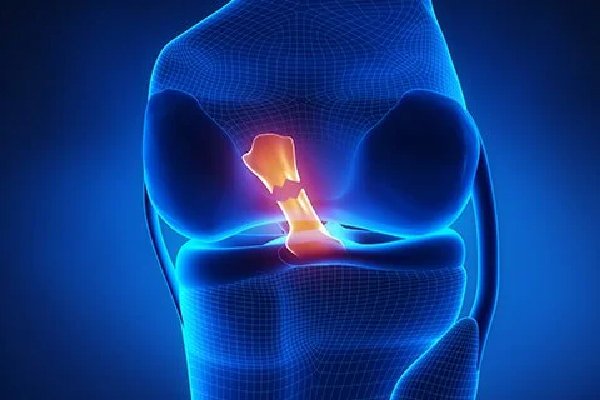
Some significant ligament injuries may require reconstruction to restore joint stability. Moreover, surgeons can use specialized techniques to reconstruct selected damaged ligaments. Therefore, reconstruction can help suitable patients regain stability for everyday movement or demanding physical activities. In addition, the surgical approach depends on the affected ligament, injury pattern, associated damage, and patient requirements. However, surgery represents only one part of the recovery process. As a result, patients should follow a structured rehabilitation program after the procedure.
Arthroscopy uses a small camera and specialized instruments to access selected structures inside a joint. Moreover, surgeons commonly use arthroscopic techniques for certain knee ligament procedures. Therefore, the surgeon can visualize specific joint structures during treatment. In addition, arthroscopy may allow the surgeon to address selected associated meniscus or cartilage problems when appropriate. However, not every ligament injury requires arthroscopic surgery. As a result, the orthopedic surgeon should recommend the technique according to the diagnosis and individual requirements.
Physiotherapy plays an important role in ligament injury recovery. Moreover, rehabilitation can focus on reducing stiffness, improving strength, restoring movement, and developing balance and joint control. Therefore, patients can gradually rebuild functional ability through structured exercises. In addition, physiotherapists can modify exercises according to recovery progress. However, patients should avoid returning to intense activities too quickly. As a result, consistent rehabilitation can support gradual and controlled recovery.
Athletes need adequate strength, stability, coordination, and movement control before returning to demanding sports. Moreover, returning too quickly can place unnecessary stress on the recovering joint. Therefore, rehabilitation should progress through appropriate stages under professional guidance. In addition, sport-specific exercises can prepare suitable patients for movements used in their chosen activities. However, recovery timelines vary from person to person. As a result, athletes should follow professional milestones rather than rely only on reduced pain.
Preventing ligament injuries starts with preparing the body for physical activity. Moreover, proper warm-ups, strength training, flexibility exercises, balance work, and movement techniques can support joint control. Therefore, athletes should gradually increase training intensity instead of making sudden changes. In addition, suitable footwear and sport-specific conditioning can support safer movement. However, prevention cannot eliminate every injury risk. As a result, people should seek evaluation when they experience recurring instability, pain, or swelling.
Active people place considerable demands on their joints through running, jumping, lifting, and rapid movements. Moreover, repeated stress can increase the risk of ligament and other soft-tissue injuries. Therefore, active individuals should pay attention to recurring pain or instability. In addition, strength and conditioning programs can improve movement control when appropriately designed. However, exercising through significant pain can worsen some injuries. As a result, professional assessment can help active individuals understand their symptoms and choose suitable treatment.
Sports injuries can affect athletes at every level. Moreover, football, cricket, basketball, tennis, badminton, and other sports can involve sudden movements that challenge joint stability. Therefore, athletes should seek evaluation after significant twisting injuries or episodes of instability. In addition, early rehabilitation can help restore movement and strength in suitable cases. However, some injuries require surgical assessment. As a result, sports injury treatment should consider the athlete’s sport, activity level, injury severity, and recovery goals.
Recovery after ligament surgery requires consistent rehabilitation and gradual activity progression. Moreover, the recovery program can include mobility exercises, strengthening, balance training, and functional movements. Therefore, patients should follow their orthopedic and physiotherapy recommendations carefully. In addition, scheduled follow-up visits can help the medical team monitor progress. However, recovery varies according to the ligament involved, surgical procedure, associated injuries, and individual factors. As a result, patients should focus on steady progress rather than compare their recovery with others.
When searching for the Best Ligament Doctor In Betul, consider orthopedic expertise, ligament injury experience, arthroscopic skills, diagnostic facilities, rehabilitation support, and follow-up care. Moreover, successful ligament treatment involves diagnosis, treatment planning, rehabilitation, and long-term functional recovery. Therefore, patients should consider the complete treatment journey instead of focusing only on surgery. In addition, clear communication can help patients understand their diagnosis and available options. However, every ligament injury requires an individualized approach. As a result, choose specialist care according to your condition, lifestyle, and activity goals.
You should consider a ligament consultation after an injury that causes significant pain, swelling, instability, or restricted movement. Moreover, recurring joint instability during sports or daily activities also deserves professional attention. Therefore, an orthopedic evaluation can help identify ligament, meniscus, cartilage, or other joint problems. In addition, timely diagnosis can help you understand suitable treatment options. However, not every ligament injury requires surgery. As a result, professional assessment should guide the next step.