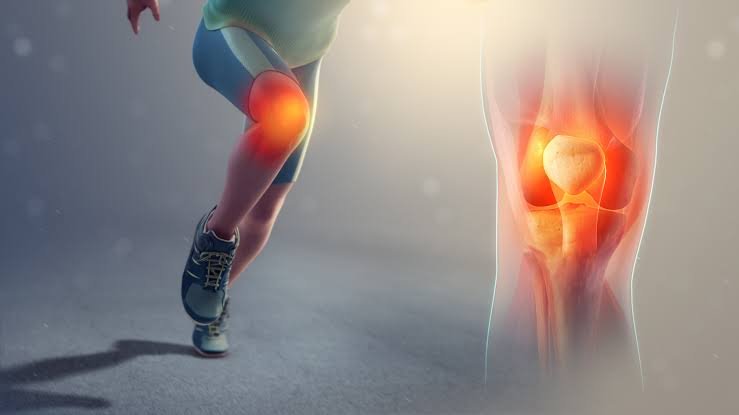
Many sports injuries can improve with appropriate non-surgical care. Moreover, physiotherapy, strengthening exercises, mobility training, balance exercises, and gradual activity modification can support recovery. Therefore, doctors and physiotherapists can develop programs around the athlete’s needs. In addition, rehabilitation can address movement patterns and muscle weaknesses that contribute to performance limitations. However, severe structural injuries may require further intervention. As a result, regular monitoring can help determine whether the current treatment provides adequate progress.
Arthroscopy uses a small camera and specialized instruments to examine and treat selected joint conditions. Moreover, surgeons commonly use arthroscopic techniques for certain knee and shoulder problems. Therefore, suitable athletes may receive minimally invasive treatment for specific joint injuries. In addition, the surgeon can address selected meniscus, cartilage, ligament, or shoulder problems during appropriate procedures. However, arthroscopy does not suit every sports injury. As a result, the surgeon should recommend it only after evaluating the individual injury.
Rehabilitation plays a major role in helping athletes regain movement and physical function. Moreover, a structured program can focus on flexibility, strength, balance, coordination, and sport-specific movement. Therefore, athletes can gradually rebuild their physical abilities. In addition, physiotherapists can adjust exercises according to recovery progress. However, returning to intense training too early can increase stress on recovering tissues. As a result, athletes should progress through rehabilitation according to professional guidance.
Returning to sports involves more than simply reducing pain. Moreover, athletes need adequate strength, stability, coordination, flexibility, and confidence before resuming demanding activities. Therefore, rehabilitation can include sport-specific drills and gradual increases in intensity. In addition, functional testing can help assess readiness for certain activities. However, recovery timelines vary between individuals and injuries. As a result, athletes should follow professional milestones instead of returning based only on how they feel.
Injury prevention starts with proper preparation and training habits. Moreover, warm-ups, strength exercises, flexibility work, balance training, proper technique, and suitable equipment can support safer movement. Therefore, athletes should prepare their bodies before demanding physical activity. In addition, gradual increases in training volume can reduce sudden physical stress. However, prevention cannot remove every risk. As a result, athletes should pay attention to recurring pain, weakness, or movement changes.
Young athletes often participate in regular training and competitions while their bodies continue to develop. Moreover, excessive training loads and poor recovery habits can contribute to sports-related problems. Therefore, young athletes should follow age-appropriate training and recovery routines. In addition, coaches, parents, physiotherapists, and doctors can work together when injuries occur. However, young athletes should not continue intense activity through significant pain. As a result, early professional assessment can support safe participation in sports.
You do not need to compete professionally to experience a sports injury. Moreover, weekend athletes may suddenly increase activity without adequate conditioning. Therefore, muscles and joints may face stress that exceeds their current capacity. In addition, proper warm-ups and gradual training can help the body adjust to physical demands. However, sudden pain or swelling after activity deserves attention. As a result, recreational athletes can benefit from timely evaluation and appropriate rehabilitation.
Previous injuries can sometimes affect movement patterns, strength, or confidence. Moreover, returning to sports without completing rehabilitation can increase challenges during demanding activities. Therefore, athletes should complete appropriate recovery programs before resuming full-intensity training. In addition, strength and movement exercises can address physical limitations identified during rehabilitation. However, each injury requires a different prevention strategy. As a result, personalized sports conditioning can support a more confident return to activity.
You should consider a sports injury consultation when pain, swelling, weakness, instability, or restricted movement continues after physical activity. Moreover, a sudden injury that causes severe symptoms also deserves prompt evaluation. Therefore, professional assessment can help identify the affected structure and appropriate treatment options. In addition, recurring pain during training can indicate an underlying problem. However, you should not assume that every sports injury will improve with rest alone. As a result, timely evaluation can help you understand the next step.
When searching for the Best Sports Injury Doctor In Betul, consider orthopedic experience, sports injury expertise, diagnostic facilities, arthroscopic skills, rehabilitation support, and follow-up care. Moreover, sports injury treatment involves much more than managing pain. Therefore, the treatment plan should address recovery, strength, movement, and safe return to activity. In addition, clear communication can help athletes understand their diagnosis and options. However, every athlete has different needs. As a result, choose specialist care according to your injury, sport, activity level, and recovery goals.