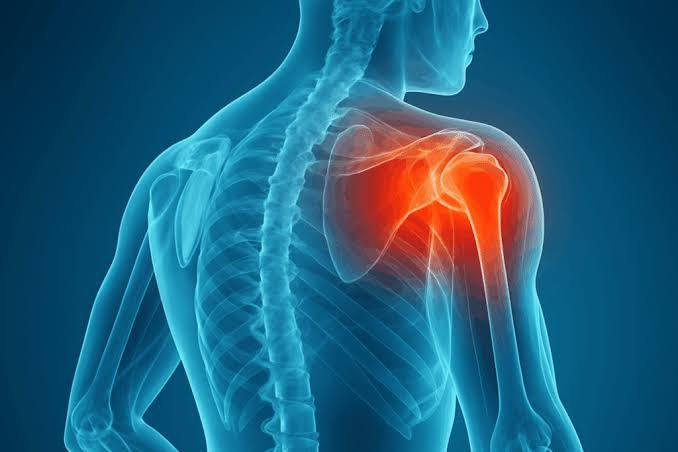
Many shoulder conditions can improve through appropriate non-surgical care. Moreover, treatment may include physiotherapy, targeted exercises, activity modification, medication, or other clinically suitable options. Therefore, patients can receive a treatment plan based on their specific diagnosis. In addition, rehabilitation can help improve shoulder strength, mobility, and functional movement. However, severe structural problems may require additional treatment. As a result, regular follow-up can help doctors monitor progress and adjust the plan when needed.
Physiotherapy can support recovery from several shoulder conditions. Moreover, rehabilitation may focus on flexibility, muscle strength, shoulder control, posture, and functional movement. Therefore, patients can gradually improve their ability to use the shoulder during daily activities. In addition, therapists can modify exercises according to symptoms and recovery progress. However, patients should avoid exercises that significantly increase pain without professional guidance. As a result, a structured rehabilitation program can support safer and more consistent improvement.
Shoulder arthroscopy uses a small camera and specialized instruments to examine and treat selected conditions inside or around the shoulder joint. Moreover, surgeons may use arthroscopic techniques for certain rotator cuff, instability, labral, and other shoulder problems. Therefore, suitable patients may receive minimally invasive treatment for specific conditions. In addition, arthroscopy can allow the surgeon to assess joint structures during treatment. However, not every shoulder problem requires surgery. As a result, the surgeon should recommend arthroscopy only after evaluating the patient’s condition.
Sports involving throwing, lifting, swimming, or repeated overhead movements can place substantial demands on the shoulder. Moreover, sudden impacts can also cause injuries to muscles, tendons, ligaments, or the joint. Therefore, athletes may develop pain, weakness, stiffness, or reduced performance. In addition, repeated symptoms during training may indicate an underlying problem. However, athletes should not continue intense activity through significant pain. As a result, early evaluation can help identify the problem and support an appropriate recovery plan.
Long periods of computer use can contribute to poor posture and muscle tension around the neck and shoulder region. Moreover, repetitive desk work may increase discomfort in some individuals. Therefore, maintaining a comfortable workstation and taking regular movement breaks can support better posture and mobility. In addition, suitable stretching and strengthening exercises may help selected patients. However, persistent or severe shoulder pain can have other causes. As a result, professional evaluation can help identify the actual source of ongoing discomfort.
Shoulder problems can become more common with age due to changes in joints, tendons, and surrounding tissues. Moreover, arthritis and degenerative tendon conditions can affect movement and comfort. Therefore, older adults should discuss persistent shoulder symptoms with an orthopedic specialist. In addition, suitable exercises can help maintain strength and mobility for many patients. However, sudden pain after a fall or injury requires careful assessment. As a result, timely evaluation can help older adults maintain useful shoulder function.
Healthy shoulder movement depends on strength, flexibility, coordination, and appropriate activity levels. Moreover, proper warm-ups and gradual increases in exercise intensity can help prepare the shoulder for physical demands. Therefore, athletes and workers should avoid sudden increases in repetitive overhead activity. In addition, strengthening the shoulder and upper-back muscles can support movement control. However, prevention cannot eliminate every injury risk. As a result, recurring pain or weakness should receive professional attention.
Recovery depends on the type of shoulder problem and the treatment approach. Moreover, rehabilitation may include mobility exercises, strengthening, functional training, and gradual return to activities. Therefore, patients should follow their orthopedic and physiotherapy recommendations carefully. In addition, follow-up appointments can help monitor movement and recovery. However, each person progresses at a different rate. As a result, patients should focus on steady improvement rather than compare their recovery with someone else’s.
You should consider a shoulder consultation when pain continues, movement becomes difficult, or weakness affects daily activities. Moreover, symptoms after a fall, accident, sports injury, or sudden movement deserve appropriate attention. Therefore, timely assessment can help identify conditions involving the joint, tendons, ligaments, or muscles. In addition, recurring night pain or shoulder instability can also require evaluation. However, shoulder pain does not automatically mean you need surgery. As a result, professional diagnosis should guide the next step.
When searching for the Best Shoulder Pain Doctor In Betul, consider orthopedic experience, shoulder treatment expertise, diagnostic facilities, arthroscopic skills, rehabilitation support, and follow-up care. Moreover, effective shoulder treatment involves accurate diagnosis and an individualized recovery strategy. Therefore, patients should consider the complete treatment journey rather than focus only on a procedure. In addition, clear communication can help you understand your condition and available options. However, every shoulder problem has different requirements. As a result, choose specialist care according to your symptoms, diagnosis, lifestyle, and activity goals.