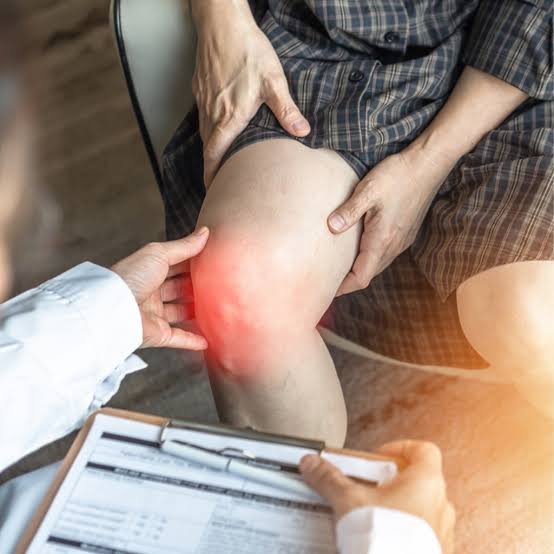
Many knee conditions can improve through appropriate non-surgical care. Moreover, doctors may recommend physiotherapy, strengthening exercises, mobility training, activity modification, or other suitable treatments. Therefore, patients can receive care that matches their specific condition and goals. In addition, rehabilitation can improve muscle strength and movement control. However, severe structural damage may require further orthopedic intervention. As a result, regular follow-up can help doctors monitor progress and adjust treatment when necessary.
Physiotherapy can support recovery from many knee conditions. Moreover, a structured program can improve strength, flexibility, balance, mobility, and functional movement. Therefore, patients can gradually improve their ability to perform daily activities. In addition, physiotherapists can modify exercises according to symptoms and progress. However, patients should avoid exercises that significantly worsen pain or swelling without professional guidance. As a result, consistent rehabilitation can support better knee function.
Body weight can influence the mechanical demands placed on the knee during everyday activities. Moreover, walking, climbing stairs, and standing can place repeated loads on the joint. Therefore, maintaining a healthy weight can complement an overall joint-care plan. In addition, appropriate nutrition and suitable physical activity can support general wellness. However, patients with significant knee pain should choose physical activities according to their abilities and medical guidance. As a result, a balanced lifestyle can support long-term joint health.
Age-related changes can affect the knee joint, cartilage, muscles, and surrounding tissues. Moreover, older adults may experience stiffness, reduced mobility, or discomfort during weight-bearing activities. Therefore, persistent knee symptoms deserve professional assessment. In addition, suitable strengthening and mobility exercises can support functional movement for many patients. However, sudden pain after a fall or injury requires careful evaluation. As a result, timely orthopedic care can help older adults maintain mobility and independence.
Active adults can experience knee pain from running, gym workouts, sports, hiking, or physically demanding work. Moreover, sudden increases in training can place additional stress on muscles and joints. Therefore, gradual progression and appropriate recovery can support healthier movement. In addition, strength and mobility exercises can help improve physical capacity. However, recurring pain may indicate an underlying condition. As a result, professional evaluation can help active individuals understand the reason behind persistent symptoms.
Jobs that require prolonged standing, frequent squatting, lifting, climbing, or kneeling can place repeated demands on the knees. Moreover, repetitive physical activities can contribute to discomfort in some individuals. Therefore, workers should pay attention to persistent pain or swelling. In addition, appropriate movement techniques and suitable strengthening can support physical function. However, workplace-related knee pain can have several possible causes. As a result, an orthopedic assessment can help identify the actual problem.
Knee arthroscopy uses a small camera and specialized instruments to examine and treat selected problems inside the joint. Moreover, surgeons may use arthroscopic techniques for certain meniscus, cartilage, and ligament conditions. Therefore, suitable patients can receive targeted treatment for specific knee problems. In addition, arthroscopy may allow the surgeon to address selected associated issues during the procedure. However, arthroscopy does not suit every knee condition. As a result, the surgeon should recommend it according to the diagnosis and individual needs.
Advanced knee joint damage can cause persistent pain and difficulty with everyday movement. Moreover, some patients may struggle with walking, stairs, standing, or other routine activities despite conservative care. Therefore, an orthopedic consultation can help determine whether joint replacement represents an appropriate option. In addition, the doctor can evaluate symptoms, joint condition, activity level, and previous treatments. However, knee replacement does not suit every person with knee pain. As a result, patients should receive an individualized assessment before considering surgery.
Healthy movement habits can support long-term knee function. Moreover, appropriate warm-ups, muscle strengthening, flexibility exercises, gradual training progression, and suitable footwear can help support joint health. Therefore, active individuals should prepare their bodies before demanding activities. In addition, maintaining appropriate physical activity can support muscle function around the knee. However, prevention cannot eliminate every injury risk. As a result, recurring pain or instability should receive professional attention.
You should consider a knee consultation when pain continues, swelling repeatedly occurs, movement becomes difficult, or instability affects your daily activities. Moreover, symptoms after a sports injury, fall, accident, or sudden twisting movement deserve assessment. Therefore, timely evaluation can help identify the cause of the problem. In addition, early diagnosis can help you understand available treatment options. However, knee pain does not automatically mean that you need surgery. As a result, professional assessment should guide your next step.
When searching for the Best Knee Pain Doctor In Betul, consider orthopedic expertise, knee treatment experience, diagnostic facilities, arthroscopic skills, rehabilitation support, and follow-up care. Moreover, good knee care involves accurate diagnosis, appropriate treatment, and long-term recovery planning. Therefore, patients should consider the complete treatment journey rather than focus only on procedures. In addition, clear communication can help you understand your condition and available choices. However, every patient has different needs. As a result, choose specialist care according to your symptoms, diagnosis, lifestyle, and activity goals.