Dr Amit Saoji | Orthopedic Surgeon In Nagpur | Orthopedic Doctor in Nagpur

Best ACL Doctor In Balaghat
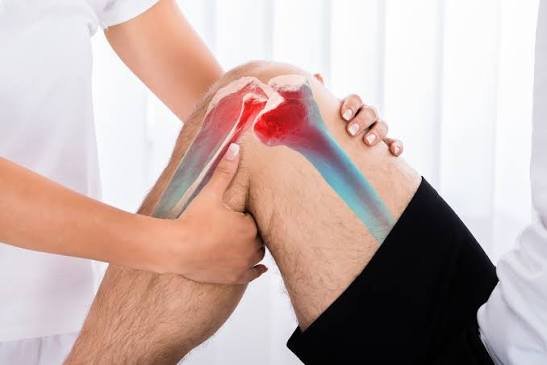
What Is an ACL Injury? | Best ACL Doctor In Balaghat
Why Choose the Best ACL Doctor In Balaghat?
Common Causes of ACL Injuries
ACL injuries often occur during movements that place sudden stress on the knee. Moreover, athletes can experience these injuries during training or competition. Therefore, common causes include:
- Sudden changes in direction
- Awkward landings after jumping
- Rapid stopping
- Twisting the knee
- Sports collisions
- Falls
- Incorrect landing techniques
- High-impact sports activities
In addition, previous knee injuries may increase the risk of future problems. As a result, appropriate assessment can help identify the extent of the injury.
Symptoms of an ACL Injury
ACL injuries can produce symptoms immediately or shortly after an accident. Moreover, the intensity of symptoms can vary according to the injury and other affected knee structures. Therefore, common signs may include:
- Sudden knee pain
- Swelling
- Difficulty walking
- Reduced knee movement
- Knee instability
- A feeling of the knee giving way
- Difficulty running
- Difficulty changing direction
- Reduced confidence during sports
In addition, associated meniscus or cartilage injuries can produce additional symptoms. As a result, a specialist examination can help determine the complete extent of the injury.
When Should You See an ACL Specialist?
How Does an ACL Doctor Diagnose the Injury? | Best ACL Doctor In Balaghat
Can Every ACL Injury Heal Without Surgery?
When Does ACL Surgery Become an Option? | Best ACL Doctor In Balaghat
What Is ACL Reconstruction?
ACL Reconstruction Using Arthroscopy |Best ACL Doctor In Balaghat
ACL Graft Options
ACL Surgery Preparation | Best ACL Doctor In Balaghat
Recovery After ACL Surgery
Physiotherapy After ACL Reconstruction | Best ACL Doctor In Balaghat
Recovery After ACL Surgery
Physiotherapy After ACL Reconstruction | Best ACL Doctor In Balaghat
Physiotherapy plays a central role in ACL recovery. Moreover, rehabilitation progresses through different stages as your knee gains movement and strength. Therefore, your physiotherapist may include:
- Knee mobility exercises
- Quadriceps strengthening
- Hamstring strengthening
- Balance training
- Core strengthening
- Walking exercises
- Functional movement training
- Progressive resistance exercises
- Sport-specific training
In addition, your therapist can adjust the program according to your recovery. **As a result, progressive rehabilitation can help restore confidence and functional knee control.
Returning to Sports After ACL Surgery
ACL Injury Prevention | Best ACL Doctor In Balaghat
You can take steps to reduce the risk of certain ACL injuries. Moreover, proper movement techniques can help improve knee control during sports. Therefore, prevention programs may include:
- Dynamic warm-ups
- Leg strengthening
- Balance exercises
- Landing technique training
- Agility exercises
- Core strengthening
- Flexibility exercises
- Sport-specific conditioning
In addition, coaches and physiotherapists can help athletes improve movement patterns. **As a result, consistent injury-prevention training can support better athletic movement.