Dr Amit Saoji | Orthopedic Surgeon In Nagpur | Orthopedic Doctor in Nagpur

Shoulder Arthroscopy In Narsinghpur
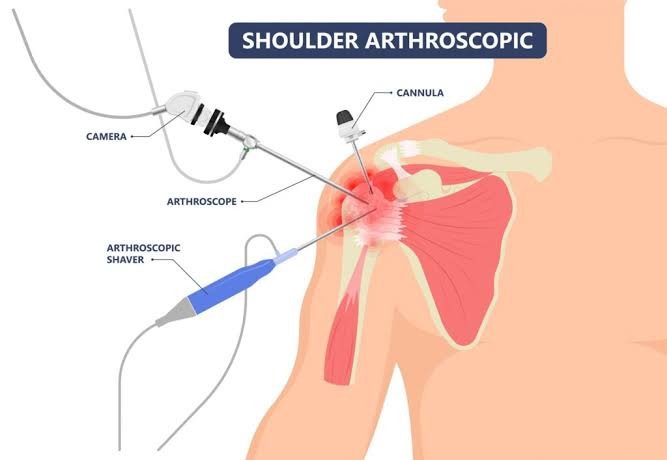
What Is Shoulder Arthroscopy? | Shoulder Arthroscopy In Narsinghpur
Why Choose Shoulder Arthroscopy?
Common Conditions Treated With Shoulder Arthroscopy
Shoulder arthroscopy can help surgeons treat selected problems affecting different structures. Moreover, the appropriate procedure depends on the type and severity of the condition. Therefore, arthroscopic treatment may address:
- Rotator cuff injuries
- Shoulder instability
- Labral tears
- Recurrent shoulder dislocation
- Selected cartilage injuries
- Shoulder impingement
- Certain tendon problems
- Sports-related shoulder injuries
- Loose bodies inside the joint
- Selected inflammatory joint conditions
In addition, your orthopedic specialist can determine whether arthroscopy suits your specific condition.
Symptoms That May Require Shoulder Evaluation
Shoulder symptoms can develop suddenly after an injury or gradually through repetitive activity. Moreover, persistent symptoms can interfere with both work and personal activities. Therefore, consider an orthopedic consultation if you experience:
- Persistent shoulder pain
- Pain during overhead movement
- Shoulder stiffness
- Weakness while lifting
- Recurrent dislocation
- Shoulder instability
- Clicking or catching
- Night-time shoulder pain
- Reduced range of motion
- Pain during sports
As a result, timely assessment can help identify the underlying problem and available treatment options.
Causes of Shoulder Problems
How Does a Shoulder Specialist Diagnose the Problem?
Your doctor will first discuss your symptoms, injury history, activity level, and previous treatments. Moreover, the specialist can assess shoulder movement, strength, stability, and tenderness during a physical examination. Therefore, the doctor may recommend imaging when necessary. In addition, X-rays can help assess bones and joint changes, while MRI or ultrasound can provide information about selected soft-tissue conditions. As a result, clinical assessment and appropriate imaging can help determine whether arthroscopy offers a suitable treatment option.
When Does Shoulder Arthroscopy Become Necessary?
Arthroscopic Rotator Cuff Treatment
Arthroscopic Treatment for Shoulder Instability
Arthroscopic Labral Treatment
Shoulder Arthroscopy for Sports Injuries
Shoulder Impingement Treatment
Benefits of Shoulder Arthroscopy
Shoulder arthroscopy offers specific advantages for suitable patients. Moreover, the technique allows the surgeon to view and treat selected joint problems through small surgical access points. Therefore, potential advantages may include:
- Direct visualization of joint structures
- Focused treatment of selected problems
- Small surgical access points
- Assessment of associated joint injuries
- Treatment of selected sports injuries
- Structured rehabilitation after surgery
However, the expected benefits vary according to the diagnosis, procedure, and individual health.