Dr Amit Saoji | Orthopedic Surgeon In Nagpur | Orthopedic Doctor in Nagpur

Knee Replacement Surgery In Narsinghpur
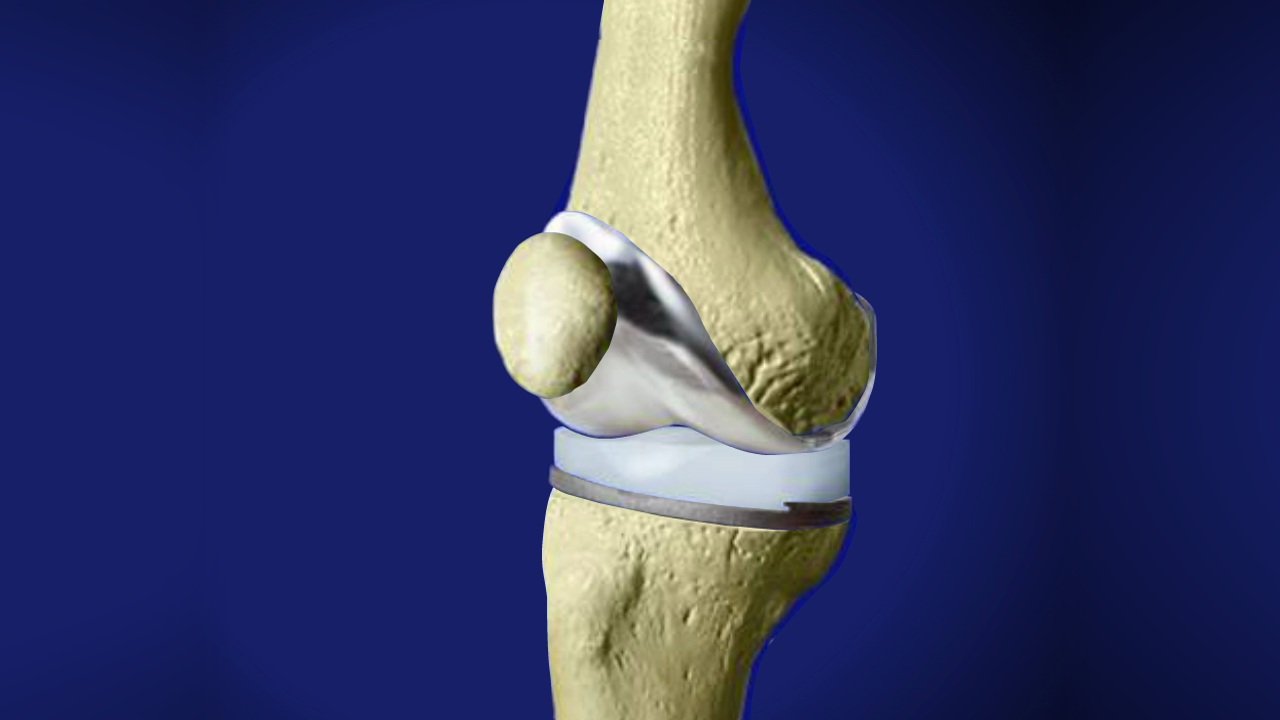
What Is Knee Replacement Surgery? | Knee Replacement Surgery In Narsinghpur
When Do You Need Knee Replacement?
Common Reasons for Knee Replacement
Several conditions can cause advanced knee damage. Moreover, these problems can gradually affect cartilage, joint movement, and overall mobility. **Therefore, knee replacement surgery may help selected patients with:
- Advanced knee osteoarthritis
- Severe cartilage deterioration
- Significant joint damage
- Persistent knee pain
- Severe stiffness
- Knee deformity
- Difficulty walking
- Reduced daily mobility
- Previous serious knee injuries
- Significant functional limitations
In addition, your orthopedic surgeon can identify the exact cause of your symptoms before recommending treatment.
Symptoms of Advanced Knee Problems
Knee problems can progress gradually or worsen after an injury. Moreover, persistent symptoms can interfere with work, exercise, sleep, and household activities. Therefore, consider an orthopedic consultation if you experience:
- Persistent knee pain
- Pain while walking
- Difficulty climbing stairs
- Morning stiffness
- Reduced knee movement
- Knee swelling
- Difficulty standing for long periods
- Knee deformity
- Grinding or clicking sensations
- Reduced ability to perform daily activities
As a result, timely evaluation can help identify appropriate treatment options.
Why Choose Knee Replacement Surgery In Narsinghpur?
How Does an Orthopedic Doctor Diagnose Knee Damage? | Knee Replacement Surgery In Narsinghpur
Non-Surgical Treatment Before Knee Replacement
Doctors do not recommend knee replacement as the first choice for every patient. Moreover, many people can manage knee symptoms through appropriate conservative treatment. Therefore, your specialist may consider:
- Physiotherapy
- Strengthening exercises
- Weight-management strategies
- Activity modification
- Walking support when appropriate
- Medication when clinically suitable
- Injections for selected patients
- Home exercise programs
In addition, your doctor can monitor your progress and reconsider surgical options if symptoms continue to significantly affect your life.
Types of Knee Replacement | Knee Replacement Surgery In Narsinghpur
Knee replacement can involve different surgical approaches depending on the extent and location of joint damage. Moreover, the surgeon selects the procedure according to your knee condition and individual anatomy. Therefore, options may include:
- Total knee replacement
- Partial knee replacement
- Revision knee replacement in selected cases
In addition, your orthopedic surgeon can explain which option may suit your condition after reviewing clinical findings and imaging. As a result, treatment can focus on the specific areas affected by joint damage.
Total Knee Replacement
Partial Knee Replacement | Knee Replacement Surgery In Narsinghpur
Knee Replacement Surgery Process
Modern Knee Replacement Techniques | Knee Replacement Surgery In Narsinghpur
Benefits of Knee Replacement Surgery
Knee replacement aims to improve function and reduce symptoms caused by advanced joint damage. Moreover, suitable patients may experience meaningful improvements in everyday mobility. Therefore, potential treatment goals can include:
- Reducing severe knee pain
- Improving walking ability
- Increasing knee function
- Supporting daily activities
- Improving mobility
- Reducing activity limitations
- Supporting greater independence
- Helping patients return to suitable physical activities
However, individual results vary according to overall health, joint condition, rehabilitation, and adherence to medical advice.