
Dr Amit Saoji | Orthopedic Surgeon In Nagpur | Orthopedic Doctor in Nagpur

Expert ACL Surgery In Amravati

ACL Surgery In Amravati,Choosing ACL Surgery In Amravati starts with getting an accurate diagnosis and understanding the severity of your knee injury. Moreover, the anterior cruciate ligament helps stabilize the knee during running, jumping, turning, and other movements. Therefore, an ACL tear can affect daily activities and sports performance. In addition, an orthopedic specialist evaluates knee stability, symptoms, activity level, and associated injuries before recommending surgery. However, not every ACL injury requires reconstruction. As a result, doctors create an individualized treatment plan based on the patient’s condition, functional needs, and recovery goals.
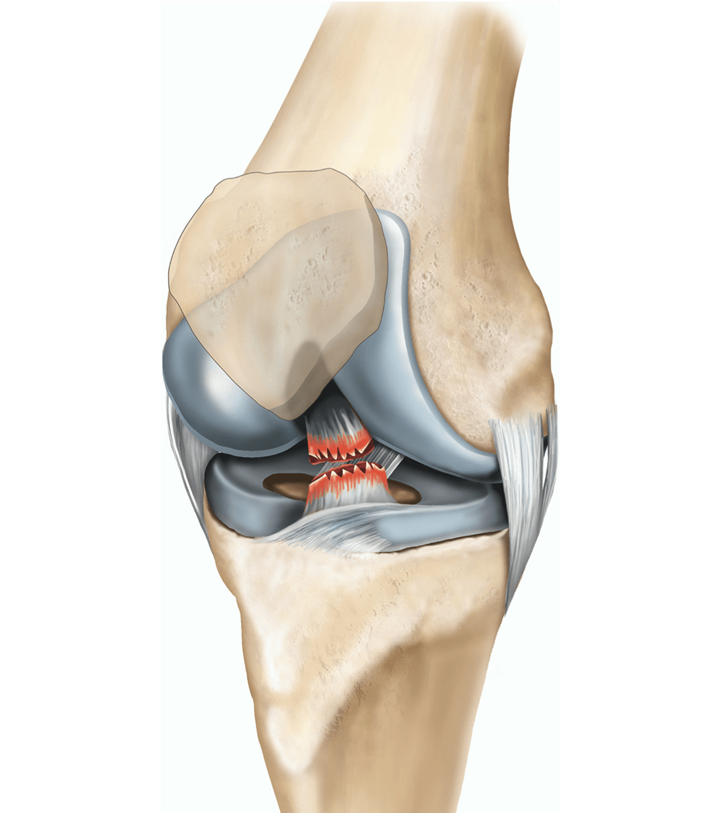
ACL Surgery In Amravati

What Is An ACL Tear?

The anterior cruciate ligament, or ACL, connects important bones within the knee and supports knee stability. Moreover, sudden twisting, rapid direction changes, awkward landings, or direct impacts can damage this ligament. Therefore, patients may experience pain, swelling, stiffness, instability, or difficulty continuing physical activities. In addition, an ACL injury can occur with other knee problems, including meniscus or cartilage damage. However, symptoms alone cannot confirm the exact injury. As a result, an orthopedic evaluation can help identify the affected structures and determine the most suitable treatment approach.

When Is ACL Surgery Necessary?

ACL surgery may suit patients who experience significant knee instability or require a stable knee for demanding physical activities. Moreover, the surgeon considers the degree of ligament damage, associated injuries, activity level, age, and recovery goals before recommending reconstruction. Therefore, doctors do not automatically recommend surgery for every ACL tear. In addition, some patients may manage their condition with structured rehabilitation and activity modification. However, repeated instability can affect knee function and may influence treatment decisions. As a result, patients should discuss both surgical and non-surgical options with an experienced orthopedic specialist.

ACL Surgery Evaluation

A detailed evaluation helps the orthopedic surgeon understand the condition before planning ACL surgery. Moreover, the doctor reviews the injury mechanism, symptoms, previous knee problems, activity level, and physical examination findings. Therefore, the specialist can assess knee stability and identify possible associated injuries. In addition, MRI can provide detailed information about the ACL, meniscus, cartilage, and other soft tissues when clinically appropriate. However, doctors consider imaging alongside the physical examination. As a result, comprehensive assessment helps the surgical team create a treatment plan that matches the patient’s specific knee condition.
ACL Reconstruction Surgery
ACL reconstruction replaces the damaged ligament with a suitable graft to help restore knee stability. Moreover, the surgeon selects the surgical technique and graft option according to the patient’s anatomy, injury, activity level, and treatment requirements. Therefore, individualized surgical planning remains important for achieving functional goals. In addition, surgeons commonly use arthroscopic techniques that allow them to view the inside of the knee through small access points. However, the exact procedure varies according to the patient’s condition and associated injuries. As a result, patients should discuss the surgical technique, graft choices, recovery expectations, and rehabilitation plan before treatment.
Arthroscopic ACL Surgery
Arthroscopy provides the surgeon with a clear view of structures inside the knee through a small camera. Moreover, the surgeon can use specialized instruments through small access points to perform the planned ACL reconstruction. Therefore, arthroscopic techniques can help the surgeon examine the ACL and other joint structures during treatment. In addition, the surgeon may address certain associated problems, such as suitable meniscus injuries, when the treatment plan requires it. However, the exact surgical approach depends on the patient’s diagnosis. As a result, the orthopedic surgeon should explain the planned procedure and expected recovery before surgery.

ACL Surgery For Sports Injuries

Sports activities can place significant stress on the ACL, especially during sudden turns, jumps, stops, and changes in direction. Moreover, football, basketball, cricket, tennis, and other sports can involve movements that challenge knee stability. Therefore, athletes with significant ACL injuries may require specialized evaluation and treatment planning. In addition, rehabilitation can help restore strength, balance, coordination, and functional knee control. However, athletes should not return to demanding sports immediately after surgery. As a result, a structured recovery program can help them progress toward their activity goals under professional guidance.

ACL Surgery With Meniscus Injury

An ACL tear can occur alongside a meniscus injury, which can affect knee function and treatment planning. Moreover, the meniscus helps distribute load within the knee and supports joint movement. Therefore, the orthopedic surgeon evaluates the entire knee rather than focusing only on the ACL. In addition, MRI can help identify associated soft-tissue injuries when appropriate. However, treatment depends on the type and severity of the meniscus problem. As a result, comprehensive surgical planning can address relevant knee injuries together when clinically suitable.

ACL Surgery Preparation

Preparing for ACL surgery involves understanding the procedure, recovery plan, and rehabilitation requirements. Moreover, your orthopedic team may evaluate knee movement, swelling, strength, and overall health before surgery. Therefore, pre-surgical preparation can help the medical team plan treatment appropriately. In addition, physiotherapy before surgery may help suitable patients improve knee movement and muscle strength. However, the preparation plan varies according to the patient’s injury and health. As a result, patients should follow their surgeon’s specific instructions before the procedure.

Recovery After ACL Surgery

ACL recovery requires patience and consistent rehabilitation. Moreover, the early recovery period often focuses on controlling swelling, restoring knee movement, improving muscle activation, and gradually increasing function. Therefore, patients should follow the rehabilitation plan provided by their orthopedic and physiotherapy team. In addition, exercises progress gradually as knee strength and stability improve. However, recovery timelines vary according to the surgical procedure, associated injuries, individual healing, and rehabilitation progress. As a result, patients should avoid comparing their recovery directly with another person’s experience.

Physiotherapy After ACL Surgery

Physiotherapy plays an important role after ACL reconstruction. Moreover, rehabilitation can focus on restoring knee movement, strength, balance, coordination, and functional control. Therefore, physiotherapists gradually introduce exercises according to the patient’s recovery stage. In addition, later rehabilitation may include activities that prepare suitable patients for work, exercise, or sports. However, patients should not increase exercise intensity without professional guidance. As a result, following a structured rehabilitation program can support gradual improvement and help patients regain confidence in knee movement.

Returning To Sports After ACL Surgery

Returning to sports requires more than simply waiting for the knee to feel better. Moreover, athletes need adequate strength, stability, movement control, coordination, and functional readiness before returning to demanding activities. Therefore, doctors and physiotherapists may assess progress throughout rehabilitation. In addition, sports-specific exercises can gradually prepare the knee for running, jumping, and direction changes. However, every athlete follows an individual recovery pathway. As a result, patients should return to sports only when their treating team considers the knee ready for the required activity level.

Benefits Of Appropriate ACL Surgery

For suitable patients, ACL reconstruction can help address knee instability and support functional goals. Moreover, restoring knee stability may help patients work toward everyday activities and, when appropriate, athletic participation. Therefore, surgery can form an important part of treatment for selected ACL injuries. In addition, structured rehabilitation supports the knee after reconstruction and helps develop strength and movement control. However, surgery does not guarantee an identical outcome for every patient. As a result, patients should discuss expected benefits, potential risks, alternatives, and recovery requirements with their orthopedic surgeon.

Why Choose Professional ACL Care?

Choosing professional ACL care means receiving a structured approach from diagnosis through rehabilitation. Moreover, an experienced orthopedic specialist can evaluate the ACL, associated knee structures, activity requirements, and recovery goals. Therefore, treatment planning can address the patient’s individual needs. In addition, clear communication helps patients understand the procedure, rehabilitation stages, activity restrictions, and follow-up requirements. However, every ACL injury differs in severity and associated damage. As a result, individualized orthopedic care remains important when deciding whether surgery represents the appropriate treatment.Rehabilitation plays an important role in many orthopedic treatment plans. Moreover, physiotherapy can help improve strength, flexibility, balance, coordination, and joint movement after injury or treatment. Therefore, a physiotherapist can create exercises according to the patient’s condition and recovery stage. In addition, gradual progression helps patients return to everyday activities while respecting the body’s healing process. However, patients should avoid following generic exercise routines without professional guidance when they have an injury or recent surgery. As a result, personalized rehabilitation can support functional recovery and help patients regain confidence in movement.

Advanced ACL Treatment

Modern ACL care combines detailed diagnosis, appropriate surgical planning, arthroscopic techniques when suitable, and structured rehabilitation. Moreover, the orthopedic team considers the patient’s knee stability, activity level, associated injuries, and functional goals. Therefore, treatment can focus on both the injured ligament and overall knee function. In addition, regular follow-up helps the medical team monitor recovery and modify rehabilitation when needed. However, advanced surgical techniques cannot replace careful clinical assessment. As a result, professional orthopedic judgment remains essential when planning ACL surgery.

Preventing Future ACL Injuries

After ACL recovery, injury prevention becomes an important part of maintaining knee health. Moreover, strengthening the muscles around the knee can support stability and movement control. Therefore, athletes should include appropriate conditioning, warm-up, balance training, and movement practice in their routine. In addition, gradually increasing training intensity can help the body adapt to physical demands. However, no prevention method can eliminate every injury risk. As a result, proper training, recovery, movement technique, and professional guidance can help reduce avoidable stress on the knee.

When Should You Consult An ACL Specialist?

You should consult an orthopedic specialist after a knee injury that causes significant pain, swelling, instability, or difficulty continuing normal activities. Moreover, repeated knee instability can indicate an underlying ligament problem. Therefore, patients should avoid returning to demanding sports before receiving an appropriate assessment. In addition, early evaluation can identify ACL damage and possible meniscus or cartilage injuries. However, only a qualified orthopedic specialist can determine whether surgery suits the individual condition. As a result, timely consultation can help patients understand their treatment choices.

ACL Surgery In Amravati For Personalized Knee Care

Patients considering ACL Surgery In Amravati should choose orthopedic care that combines accurate diagnosis, appropriate surgical planning, arthroscopic expertise when suitable, and structured rehabilitation. Moreover, successful recovery requires attention to both knee stability and functional movement. Therefore, the orthopedic team should consider the patient’s injury, activity level, associated conditions, and recovery goals. In addition, regular follow-up supports progress throughout rehabilitation. However, ACL surgery does not suit every patient with an ACL tear. As a result, a detailed consultation remains essential before deciding on reconstruction.

Frequently Asked Questions | ACL Surgery In Amravati

ACL surgery reconstructs a damaged ligament to help restore knee stability.
Doctors may recommend surgery for significant instability or specific activity needs.
Surgeons commonly perform ACL reconstruction using arthroscopic techniques.
Pain, swelling, stiffness, and knee instability can occur after an ACL injury.
Doctors may recommend MRI to assess the ACL and associated knee structures.

Book An Appointment For ACL Surgery

If an ACL injury affects your knee stability, walking, work, exercise, or sports activities, consider scheduling an orthopedic consultation in Amravati. Moreover, an ACL specialist can evaluate your symptoms and recommend appropriate diagnostic tests when necessary. Therefore, professional assessment can help you understand the injury and available treatment options. In addition, following a personalized rehabilitation program can support recovery after treatment. However, your orthopedic surgeon should determine the appropriate treatment after evaluating your individual condition.  Book An Appointmenttoday for expert ACL evaluation, surgery consultation, and rehabilitation in Amravati.
Call Now Button