Dr Amit Saoji | Orthopedic Surgeon In Nagpur | Orthopedic Doctor in Nagpur

ACL Surgery In Gondia
ACL Surgery In Gondia, An ACL injury can affect your knee stability, confidence, and ability to enjoy everyday activities. Moreover, athletes often notice pain, swelling, instability, or difficulty changing direction after a sudden twist or impact. Therefore, timely evaluation can help identify the extent of the injury and guide suitable treatment. In addition, an orthopedic specialist can assess your symptoms, physical movement, medical history, and imaging reports before recommending the next step. As a result, patients can understand their condition and make informed decisions about their recovery.
Expert ACL Care | ACL Surgery In Gondia
What Is ACL Surgery?
Common Causes Of ACL Injuries
ACL injuries often occur when the knee experiences sudden stress or an unexpected change in movement. Moreover, sports such as football, basketball, cricket, badminton, and other activities involving rapid turns can increase injury risk.
Common causes include:
- Sudden direction changes
- Awkward landings after jumping
- Rapid stopping
- Knee twisting
- Sports collisions
- Falls
- Direct impact to the knee
- Incorrect landing mechanics
Therefore, athletes should take persistent pain, swelling, or instability seriously. In addition, appropriate assessment can help identify the injury and guide recovery.
Symptoms Of An ACL Tear
ACL injuries can produce different symptoms depending on the severity and associated damage. Moreover, some people notice symptoms immediately after the injury, while others experience ongoing instability during activity.
Common symptoms include:
- Sudden knee pain
- Swelling after injury
- A popping sensation
- Difficulty walking
- Reduced knee movement
- Knee instability
- Difficulty changing direction
- Trouble returning to sports
Therefore, persistent symptoms deserve professional evaluation. As a result, early assessment can help determine the appropriate treatment approach.
ACL Diagnosis In Gondia
Is ACL Surgery Necessary For Everyone? | ACL Surgery In Gondia
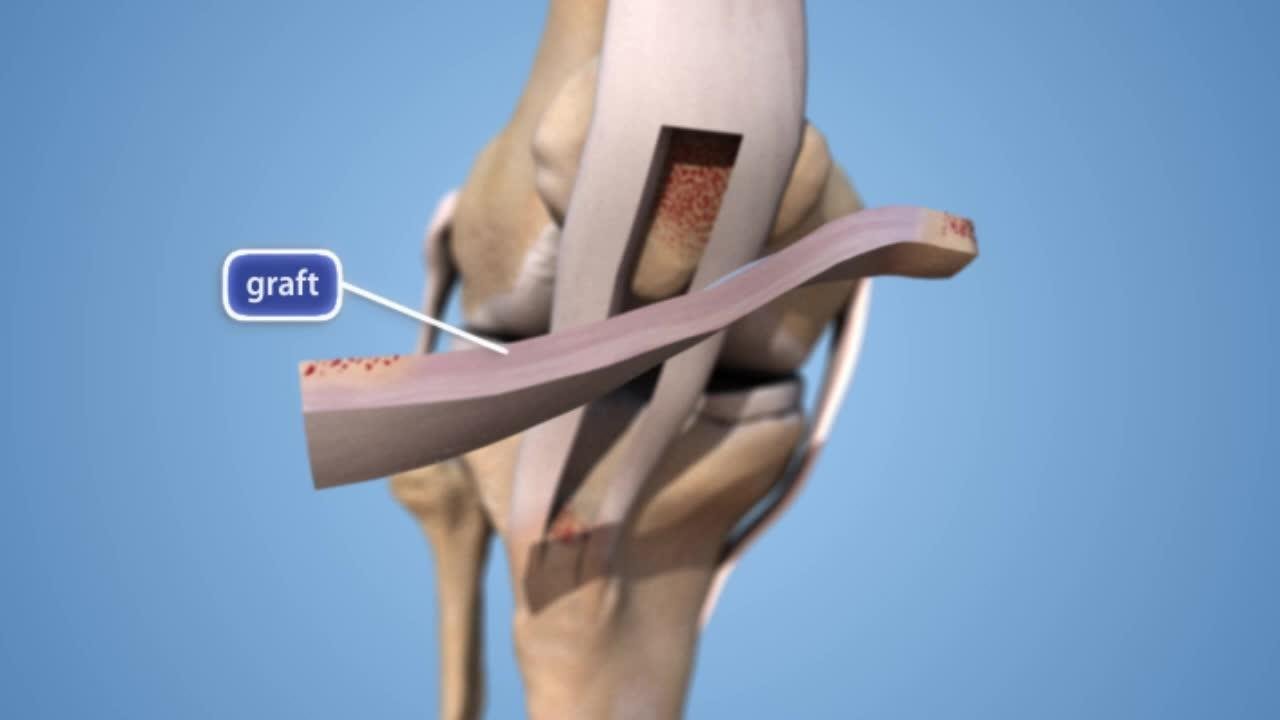
ACL Reconstruction Surgery
Arthroscopic ACL Surgery | ACL Surgery In Gondia
ACL Surgery And Rehabilitation
Recovery After ACL Surgery | ACL Surgery In Gondia
Returning To Sports After ACL Surgery
Why Choose Professional ACL Care? | ACL Surgery In Gondia
ACL Treatment For Athletes
When Should You See An ACL Specialist?
Why Early ACL Evaluation Matters
ACL Injury And Meniscus Damage
Benefits Of ACL Reconstruction
ACL reconstruction can help selected patients improve knee stability and return toward their desired activity level. Moreover, surgery may offer an option for patients who experience persistent instability despite appropriate rehabilitation. Therefore, your surgeon will assess your individual requirements before recommending reconstruction.
Potential goals of ACL reconstruction include:
- Improving knee stability
- Supporting functional movement
- Helping patients return to suitable activities
- Addressing instability during direction changes
- Supporting rehabilitation after ligament injury
- Managing selected associated knee injuries
However, individual results can vary, so your surgeon should explain realistic expectations before treatment.