Active adults may experience difficulty performing work, exercise, recreational activities, or household tasks after an ACL injury. Therefore, your orthopedic specialist considers your daily movement requirements and personal goals when discussing treatment. In addition, rehabilitation can help restore strength and knee control. However, treatment decisions should not depend on activity level alone. As a result, your doctor combines clinical findings, imaging, symptoms, stability, and individual goals before recommending reconstruction.
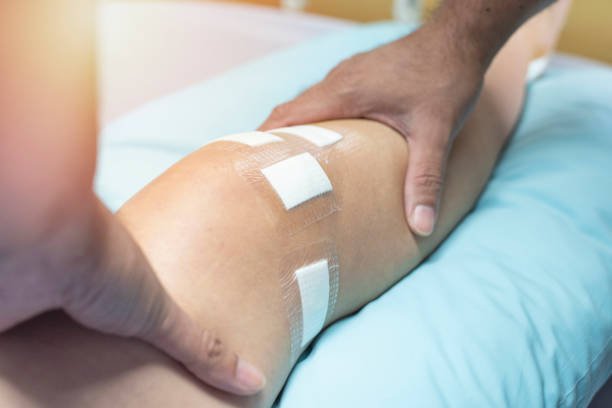
During ACL reconstruction, the surgeon removes or addresses the damaged ligament and uses a suitable graft to create a new ligament structure. Therefore, the graft helps restore knee stability and supports functional movement. In addition, the surgeon may treat associated meniscus or cartilage damage when required. However, the exact surgical technique and graft choice depend on individual factors. As a result, your orthopedic surgeon can explain the recommended procedure after assessing your knee.
Surgeons can use different graft sources for ACL reconstruction. Therefore, the appropriate choice depends on factors such as age, activity level, sport, knee condition, previous surgery, and surgeon assessment. In addition, your doctor can explain the advantages and limitations of the recommended graft. However, no single graft option suits every patient. As a result, discuss graft selection carefully with your orthopedic specialist before surgery.
Arthroscopic techniques allow surgeons to perform ACL reconstruction using a small camera and specialized instruments. Therefore, the surgeon can view structures inside the knee during the procedure. In addition, arthroscopy allows the surgeon to address certain associated joint problems when appropriate. However, the surgical approach depends on your injury and overall treatment plan. As a result, your orthopedic specialist will explain the procedure, expected recovery, and rehabilitation requirements before surgery.
Good preparation can help you understand the procedure and recovery process. Therefore, your orthopedic team may recommend specific exercises, medical tests, medication adjustments, and pre-surgery instructions. In addition, strengthening the muscles around the knee before reconstruction may benefit selected patients when the doctor recommends prehabilitation. However, preparation requirements vary from one patient to another. As a result, follow your medical team’s instructions carefully before your ACL procedure.
ACL recovery requires patience, consistent rehabilitation, and gradual progression. Therefore, your recovery plan may begin with swelling control and gentle movement before progressing toward strengthening and functional exercises. In addition, physiotherapy can help restore knee movement, muscle strength, balance, and coordination. However, recovery timelines vary according to the procedure, associated injuries, rehabilitation progress, and individual factors. As a result, follow your surgeon’s and physiotherapist’s recommendations throughout recovery.
Physiotherapy forms an important part of ACL rehabilitation. Therefore, your physiotherapist can gradually introduce exercises that improve knee movement and strengthen the quadriceps, hamstrings, hips, and supporting muscles. In addition, later rehabilitation may include balance, agility, coordination, and sport-specific exercises. However, exercise intensity should increase according to your recovery stage. As a result, consistent physiotherapy can help you rebuild knee function and prepare for higher levels of activity.
Returning to sports requires careful rehabilitation and functional assessment. Therefore, athletes may need to regain strength, balance, movement control, agility, and confidence before returning to competition. In addition, your medical team may use functional tests to evaluate your progress. However, pain reduction alone does not confirm complete readiness for sports. As a result, follow professional clearance and return-to-sport guidelines before resuming demanding activities.
Cartilage injuries can sometimes accompany ACL tears and may influence treatment decisions. Therefore, your orthopedic specialist evaluates cartilage condition through clinical assessment and imaging. In addition, the surgeon considers cartilage damage when planning treatment and rehabilitation. However, cartilage problems can vary significantly between patients. As a result, your doctor creates a treatment strategy according to the complete condition of your knee.
Every surgical procedure carries potential risks and limitations. Therefore, your orthopedic surgeon should discuss infection, bleeding, stiffness, blood clots, graft-related issues, continued instability, and other possible complications when appropriate. In addition, your individual risk can depend on your health, injury, procedure, and rehabilitation. However, no treatment can guarantee identical results for every patient. As a result, an informed consultation can help you understand the potential benefits and limitations before choosing ACL surgery.
Local orthopedic care can make consultations, follow-ups, and rehabilitation more convenient for patients from Seoni and nearby areas. Therefore, choosing ACL Surgery In Seoni can help you maintain continuity throughout the treatment journey. In addition, regular follow-up can allow your medical team to monitor knee movement, strength, stability, and rehabilitation progress. However, location should not replace appropriate surgical expertise. As a result, consider the surgeon’s experience, treatment approach, rehabilitation support, and communication when selecting care.
Selecting an orthopedic surgeon requires careful consideration of your specific injury and treatment requirements. Therefore, look for a specialist with experience in ACL injuries, arthroscopic procedures, sports-related knee conditions, and rehabilitation planning. In addition, choose a doctor who explains the diagnosis, surgical options, graft choices, recovery process, and potential risks clearly. However, every patient’s treatment journey differs. As a result, personalized evaluation should guide your decision.
ACL surgery costs can vary according to several factors. Therefore, the final expense may depend on the surgical technique, graft choice, hospital facilities, diagnostic tests, surgeon’s fees, medicines, and rehabilitation requirements. In addition, associated meniscus or cartilage treatment can influence the overall cost. However, pricing differs between patients and healthcare facilities. As a result, discuss the complete treatment estimate with your hospital or orthopedic team before scheduling surgery.