Dr Amit Saoji | Orthopedic Surgeon In Nagpur | Orthopedic Doctor in Nagpur

ACL Surgery In Wardha
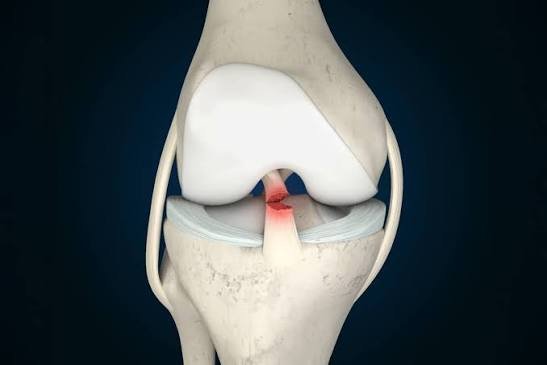
What Is an ACL Injury? |ACL Surgery In Wardha
What Is ACL Surgery?
When Do You Need ACL Surgery?
Common Symptoms of an ACL Tear
An ACL injury can produce several noticeable symptoms. Moreover, symptoms can vary depending on the severity of the injury and whether other knee structures also suffered damage. Therefore, seek an orthopedic assessment if you experience:
- A popping sensation during injury
- Sudden knee pain
- Rapid swelling
- Difficulty putting weight on the leg
- Knee instability
- Reduced range of motion
- Difficulty walking normally
- Trouble changing direction
- Pain during sports activities
- A feeling that the knee may give way
In addition, persistent instability deserves professional evaluation. As a result, timely diagnosis can help you understand your treatment options.
How Does an Orthopedic Doctor Diagnose an ACL Injury?
ACL Surgery In Wardha for Sports Injuries
Sports such as football, cricket, basketball, badminton, and other activities can place considerable stress on the knee. Moreover, sudden changes in direction and awkward landings can increase the risk of ACL injuries. Therefore, athletes should not ignore persistent swelling or knee instability after a sports injury. In addition, an orthopedic specialist can assess your sporting goals and discuss rehabilitation or surgical options. As a result, a structured treatment plan can support a gradual and safer return to physical activity.
Arthroscopic ACL Reconstruction
ACL Graft Options
ACL Surgery and Meniscus Injuries
Benefits of ACL Reconstruction for Suitable Patients
ACL Surgery Recovery
Physiotherapy After ACL Surgery
Returning to Sports After ACL Surgery
Things to Consider When Choosing an ACL Specialist
- Orthopedic qualifications
- Experience with ACL injuries
- Knee and sports injury expertise
- Diagnostic evaluation
- Arthroscopic surgical experience
- Rehabilitation planning
- Physiotherapy coordination
- Clear explanation of treatment options
- Follow-up care
- Individualized recovery planning
What Happens Before ACL Surgery?
What Happens During ACL Surgery?
Tips for Protecting Your Knee After ACL Treatment
Protecting your knee during recovery requires consistent care. Moreover, rehabilitation exercises help improve strength and movement control. Therefore, follow the activity restrictions and exercise instructions provided by your healthcare team. In addition, progress gradually instead of increasing activity suddenly. Consider these habits:
- Follow your rehabilitation program
- Attend scheduled follow-ups
- Perform prescribed exercises consistently
- Increase activity gradually
- Avoid premature return to demanding sports
- Maintain appropriate muscle strength
- Work on balance and movement control
- Follow your surgeon’s instructions
As a result, disciplined recovery can support your long-term knee function.
Preventing Orthopedic Problems
You can support your musculoskeletal health through practical daily habits. Moreover, regular physical activity can help maintain muscle strength and joint mobility. Therefore, consider:
- Maintain a healthy body weight
- Exercise regularly
- Strengthen supporting muscles
- Warm up before demanding activities
- Use proper exercise techniques
- Wear suitable footwear
- Avoid sudden increases in training
- Maintain good posture
- Allow adequate recovery time
In addition, seek professional guidance when recurring pain or movement problems continue.