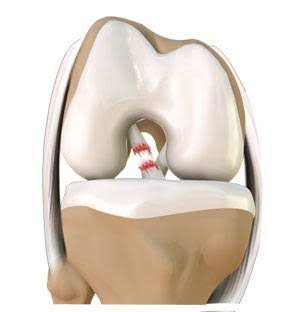
Physiotherapy plays an important role in ACL recovery. Therefore, your rehabilitation plan may include exercises that target the quadriceps, hamstrings, hips, and other muscles that support knee function. In addition, your therapist can work on flexibility, balance, coordination, and movement control. However, you should avoid progressing exercises faster than your healthcare team recommends because each recovery follows an individual timeline.
Athletes often need strong knee stability for sprinting, jumping, landing, and rapid direction changes. Therefore, an ACL injury can create significant challenges for sports participation. In addition, sports-focused rehabilitation can address strength, coordination, movement mechanics, and gradual return-to-sport goals. As a result, athletes can work toward resuming their preferred activities under professional guidance.
ACL injuries can sometimes occur alongside meniscus problems. Therefore, doctors may evaluate the meniscus carefully during diagnosis and treatment planning. In addition, an orthopedic surgeon can determine whether the meniscus requires separate treatment during an ACL procedure. As a result, a complete assessment can help address multiple structures contributing to knee symptoms.
Ignoring an unstable knee can affect your confidence during movement and physical activity. Therefore, you should consider professional evaluation after a significant knee injury, especially when swelling or instability develops. In addition, early assessment can help you understand the extent of the injury and discuss suitable treatment options. As a result, you can make a more informed decision about rehabilitation, activity modification, or surgery.
Diagnostic testing helps your doctor understand the condition inside and around the joint. Therefore, your evaluation may involve X-rays, MRI scans, or other tests depending on your symptoms. In addition, physical examination findings help your specialist understand joint movement, stability, tenderness, and strength. However, not every patient needs every diagnostic test. As a result, your doctor selects investigations according to your individual condition and suspected joint problem.
Surgery represents only one part of ACL recovery. Therefore, consistent rehabilitation can help you regain knee movement, muscle strength, balance, and functional control. In addition, your physiotherapist can adjust exercises as your recovery progresses. However, recovery milestones vary between individuals, so you should follow your orthopedic team’s guidance instead of comparing your progress with someone else’s.
Returning to normal activities requires gradual progress after ACL surgery. Therefore, your healthcare team may guide you through different stages based on your strength, movement, stability, and recovery. In addition, you should communicate any unusual pain, swelling, or difficulty during rehabilitation. As a result, your medical team can make appropriate adjustments when necessary.
Choosing local orthopedic care can make consultations, follow-ups, and rehabilitation more convenient. Therefore, patients looking for ACL Surgery In Betul can consider a complete care pathway rather than focusing only on the surgical procedure. In addition, convenient access to consultations and rehabilitation can support continuity throughout recovery. As a result, you can stay connected with your healthcare team during different stages of treatment.
Strong supporting muscles can help improve knee function before ACL surgery. Therefore, some patients may benefit from a supervised prehabilitation program when their orthopedic specialist recommends it. In addition, targeted exercises can address stiffness, weakness, and reduced movement before the procedure. As a result, patients may enter the surgical process with better overall knee function.
ACL reconstruction can use different types of grafts depending on the patient’s situation and surgical plan. Therefore, your orthopedic surgeon may discuss graft choices and explain their potential advantages and limitations. In addition, factors such as age, activity level, previous surgery, and sports requirements can influence the decision. As a result, a detailed discussion can help you understand why a particular graft may suit your case.
Knee movement plays an important role throughout ACL care. Therefore, maintaining appropriate flexibility before and after surgery can support normal joint function. In addition, your rehabilitation team may introduce controlled exercises that help restore bending and straightening of the knee. However, you should perform these exercises according to professional instructions to avoid unnecessary strain.
Knee instability can affect more than sports performance. Therefore, some people may feel uncertain while using stairs, walking on uneven surfaces, getting out of a chair, or turning quickly. In addition, repeated instability can make people avoid activities they previously enjoyed. As a result, professional assessment can help patients understand the cause of instability and explore appropriate management options.