Dr Amit Saoji | Orthopedic Surgeon In Nagpur | Orthopedic Doctor in Nagpur

ACL Surgery in Harda – Dr. Amit Saoji Ortho Sports Care
Looking for ACL Surgery in Harda can be the first step toward getting the right treatment for a painful or unstable knee. An ACL injury can make walking, running, climbing stairs, exercising, and playing sports difficult. Moreover, repeated episodes of knee instability can affect everyday activities and athletic performance. Therefore, an accurate diagnosis and personalized treatment plan can help you understand the available options.
Dr. Amit Saoji Ortho Sports Care provides specialized orthopedic care for ACL injuries, knee problems, sports injuries, arthroscopy, ligament conditions, and sports rehabilitation. Dr. Amit Saoji is an orthopedic, arthroscopy, sports medicine, and arthroplasty surgeon with specialized training in arthroscopy and sports medicine.
If you have suffered a knee injury or received an ACL tear diagnosis, you can contact the clinic to discuss your symptoms, medical reports, consultation options, and appropriate treatment.
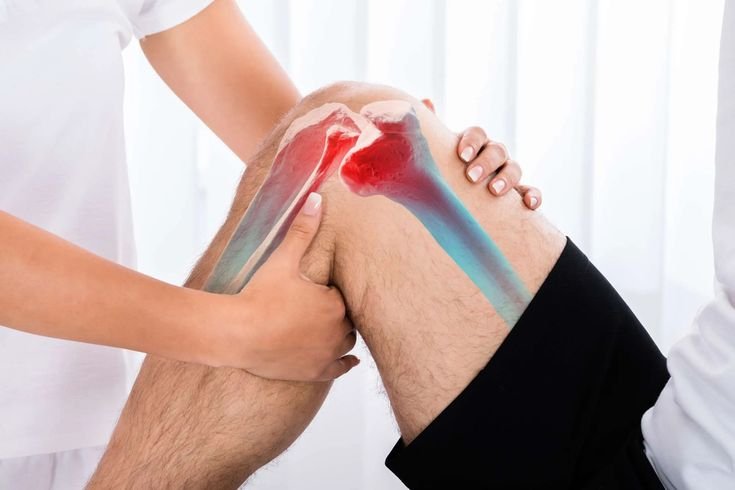
What Is an ACL Injury?
The anterior cruciate ligament, commonly called the ACL, is one of the major stabilizing ligaments inside the knee. It helps control forward movement and rotation of the lower leg.
An ACL injury often occurs when the knee suddenly twists or changes direction. For example, athletes can injure the ACL while landing after a jump, stopping suddenly, changing direction quickly, or colliding with another player.
However, sports are not the only cause of ACL injuries. Falls, road accidents, and other traumatic events can also damage the ligament.
Common symptoms include:
- Knee pain after an injury
- Swelling around the knee
- Difficulty putting weight on the leg
- A feeling of knee instability
- The knee giving way while walking or running
- Difficulty changing direction
- Reduced confidence during sports
- Restricted knee movement
Therefore, you should consider an orthopedic evaluation if these symptoms continue after an injury.
Why Does an ACL Injury Need Proper Evaluation?
Every ACL injury presents differently. Consequently, doctors need to consider several factors before recommending treatment.
These factors include:
- The severity of the ACL tear
- Knee stability
- Patient age
- Activity level
- Sports participation
- Occupation
- Associated meniscus injuries
- Cartilage damage
- Previous knee instability
- Response to rehabilitation
- Individual recovery goals
For example, a person with a partial tear and a stable knee may respond well to structured rehabilitation. On the other hand, an active athlete with a complete tear and repeated instability may need surgical reconstruction.
Therefore, an MRI report alone does not determine whether you need surgery. Instead, an orthopedic specialist considers your symptoms, examination findings, imaging results, activity requirements, and overall knee function.
When Do You Need ACL Surgery?
An ACL tear does not automatically mean that every patient needs surgery.
Instead, your orthopedic specialist evaluates the injury and considers whether conservative treatment or reconstruction would provide the most appropriate outcome.
Some patients can manage an ACL injury with:
- Physiotherapy
- Strengthening exercises
- Activity modification
- Balance training
- Sports rehabilitation
- Medical treatment when appropriate
However, some patients may experience persistent instability despite rehabilitation. In addition, athletes who want to return to sports involving pivoting, jumping, and rapid changes of direction may require a different treatment approach.
Therefore, ACL Surgery in Harda should always begin with a proper orthopedic consultation rather than a decision based solely on an MRI report.
Arthroscopic ACL Reconstruction
When an orthopedic surgeon recommends reconstruction, arthroscopy provides a minimally invasive approach for many ACL procedures.
During arthroscopic surgery, the surgeon uses a small camera and specialized instruments through small incisions around the knee. This allows the surgeon to examine structures inside the joint and perform the required procedure.
ACL reconstruction generally uses a graft to replace the damaged ligament and restore knee stability.
However, the surgeon chooses the specific surgical technique according to the patient’s injury, anatomy, activity requirements, associated damage, and treatment goals.
Dr. Amit Saoji has specialized fellowship training in arthroscopy and sports medicine, including knee arthroscopy. His practice also provides ACL injury treatment and arthroscopic knee procedures.
ACL Surgery for Sports Injuries
Sports activities can place considerable stress on the knee. Consequently, ACL injuries commonly occur in sports that require sudden movements, pivoting, jumping, or rapid changes in direction.
These sports include:
- Football
- Cricket
- Basketball
- Tennis
- Badminton
- Kabaddi
- Volleyball
- Athletics
For example, a player may land awkwardly after a jump and suddenly feel the knee twist. Similarly, a football or basketball player may injure the ACL while changing direction.
After an injury, athletes often want to return to their sport as quickly as possible. However, rushing the recovery process can increase the risk of further injury.
Therefore, sports injury treatment should include appropriate rehabilitation and a gradual return to activity.
Dr. Amit Saoji’s training in sports medicine and arthroscopy supports the assessment and treatment of knee and sports-related injuries.
ACL Surgery for Partial and Complete Tears
ACL tears can vary considerably in severity.
Partial ACL Tear
A partial tear means that some ACL fibers remain intact. Consequently, the knee may retain some degree of stability.
In selected cases, conservative management may be considered. This can include physiotherapy, muscle strengthening, activity modification, and rehabilitation.
However, if a partial tear results in persistent instability or the patient has significant functional demands, surgical treatment may still be considered.
Complete ACL Tear
A complete ACL tear can result in significant knee instability. Moreover, some patients may experience repeated episodes of the knee giving way.
Consequently, active individuals and athletes with symptomatic instability may be evaluated for ACL reconstruction.
However, surgery is not determined by the MRI report alone. Instead, the orthopedic surgeon considers the patient’s symptoms, physical examination, activity level, associated injuries, and treatment goals.
How Do Doctors Diagnose an ACL Tear?
The diagnosis begins with a detailed discussion about the injury.
First, the orthopedic specialist asks how the injury occurred and what symptoms developed afterward. Next, the doctor examines knee movement, swelling, tenderness, muscle strength, and stability.
The doctor may perform specific clinical tests to assess the ACL.
Additionally, the doctor may recommend imaging when necessary. An MRI can provide detailed information about the ACL and may also reveal associated meniscus, cartilage, or ligament injuries.
Therefore, patients should bring previous MRI scans, X-rays, medical reports, and prescriptions to their consultation whenever possible.
These records can help the doctor understand the injury history and previous treatment.
ACL Surgery and Knee Arthroscopy
Knee arthroscopy allows an orthopedic surgeon to view structures inside the knee using a small camera.
Furthermore, arthroscopy can help the surgeon treat selected problems involving the knee during the same procedure.
For example, an ACL injury can occur alongside a meniscus injury. Therefore, a complete assessment helps the surgeon understand all relevant problems before planning treatment.
The surgeon determines the appropriate procedure after considering the patient’s clinical findings and imaging results.
Dr. Amit Saoji’s orthopedic practice focuses on arthroscopy, sports medicine, knee conditions, and ligament injuries.
Recovery After ACL Surgery
ACL recovery involves several stages. Therefore, patients should understand that surgery represents only one part of the treatment process.
Initially, rehabilitation focuses on controlling swelling, managing pain, restoring knee movement, and gradually improving muscle activation.
Next, the patient progresses to strengthening exercises. These exercises help rebuild the muscles that support the knee.
Afterward, rehabilitation may include:
- Balance exercises
- Stability training
- Functional movements
- Strength progression
- Running exercises
- Agility training
- Sport-specific exercises
However, every patient follows a different recovery pathway. Consequently, you should follow the rehabilitation programme recommended by your orthopedic and physiotherapy team.
Physiotherapy After ACL Reconstruction
Physiotherapy plays an important role after ACL reconstruction.
Initially, the physiotherapist may focus on restoring movement and reducing swelling. Subsequently, strengthening exercises help improve the muscles around the knee.
As recovery progresses, the programme can include balance, coordination, stability, running, agility, and sport-specific exercises.
Furthermore, athletes may need functional testing before returning to competitive sports.
Therefore, patients should not judge recovery only by the absence of pain. Strength, stability, movement control, and functional performance also matter.
Dr. Amit Saoji Ortho Sports Care provides sports rehabilitation guidance as part of its orthopedic care.
Returning to Sports After ACL Surgery
Many active patients want to know when they can return to sports after ACL reconstruction.
However, there is no single recovery timeline that applies to everyone.
Instead, the treating team evaluates several factors, including:
- Knee stability
- Muscle strength
- Range of motion
- Balance
- Coordination
- Functional performance
- Confidence
- Sport-specific requirements
For example, returning to normal walking requires a different level of function than returning to competitive football or basketball.
Therefore, patients should follow their individualized rehabilitation programme and obtain appropriate medical clearance before returning to high-demand sports.
Advanced ACL Treatment Options
Dr. Amit Saoji’s ACL treatment information describes arthroscopic ACL reconstruction and discusses techniques such as an all-inside ACL reconstruction approach with internal bracing.
However, no single technique suits every patient.
Instead, the orthopedic surgeon considers the patient’s injury pattern, ligament condition, associated injuries, anatomy, activity level, and treatment goals before selecting a surgical approach.
Therefore, patients should discuss the proposed procedure, expected benefits, possible risks, recovery requirements, and available alternatives during their consultation.
ACL Surgery Consultation and Treatment Planning
Before planning ACL Surgery in Harda, patients should undergo a detailed orthopedic evaluation.
First, the doctor reviews the injury history and current symptoms. Next, the doctor examines the knee and reviews available imaging.
If an MRI has already been performed, the patient should bring both the report and available images. In addition, previous prescriptions and treatment records can help provide a clearer picture of the injury.
However, the MRI alone does not determine whether surgery is necessary.
For example, two patients may have similar MRI findings but completely different treatment requirements. One patient may have a stable knee and limited physical activity, while another may experience repeated instability and participate in competitive sports.
Therefore, the doctor considers the complete clinical picture before recommending ACL reconstruction.
Long-Term Knee Health After ACL Treatment
ACL treatment should focus on more than the immediate recovery period.
After surgery or conservative treatment, patients need to rebuild strength, stability, mobility, and confidence. Furthermore, maintaining appropriate muscle strength and movement patterns can support long-term knee function.
For athletes, rehabilitation may also include sport-specific drills and injury-prevention strategies.
Consequently, following professional rehabilitation recommendations remains important even after everyday activities become comfortable.
Patients should also discuss any recurring pain, swelling, instability, or difficulty during physical activity with their orthopedic specialist.
Why Choose Dr. Amit Saoji for ACL Treatment?
Choosing an orthopedic surgeon for an ACL injury requires consideration of specialized training and experience.
Dr. Amit Saoji is an orthopedic, arthroscopy, sports medicine, and arthroplasty surgeon. His professional training includes DNB Orthopaedics, fellowship training in arthroscopy and sports medicine, and additional training in joint replacement.
Furthermore, his clinical focus includes knee, shoulder, and hip conditions, sports injuries, arthroscopy, ligament problems, and joint replacement.
His practice provides orthopedic treatment and rehabilitation guidance for patients with ACL and sports-related knee problems.
Therefore, patients looking for specialist ACL evaluation can contact Dr. Amit Saoji Ortho Sports Care to discuss their injury and treatment options.
Consultation for Patients from Harda
Patients searching for ACL Surgery in Harda may require specialist evaluation when they experience persistent knee instability, a confirmed ACL tear, or difficulty returning to sports.
Dr. Amit Saoji’s published clinic address is in Ramdaspeth, Nagpur, Maharashtra. Therefore, patients travelling from Harda should contact the clinic before making travel arrangements.
Before the appointment, keep your MRI scans, X-rays, medical reports, prescriptions, and previous treatment information available.
This information can help the orthopedic specialist understand your medical history and plan the next step.
Frequently Asked Questions About ACL Surgery In Harda
ACL surgery generally refers to a surgical procedure used to restore knee stability after an ACL injury. In appropriate patients, arthroscopic ACL reconstruction may be performed using a graft to replace the damaged ligament.
No. Some patients may be managed without surgery, particularly when the knee remains stable and the patient’s activity requirements are limited. However, persistent instability, complete tears, associated injuries, and high-demand sports participation may lead to consideration of reconstruction.
Common symptoms include knee pain, swelling, instability, difficulty walking, and a feeling that the knee may give way. However, similar symptoms can occur with other knee injuries. Therefore, proper orthopedic evaluation is important.
Some people can walk after an ACL tear. However, walking ability does not necessarily indicate that the ligament is functioning normally. If the knee repeatedly gives way, further injury may occur. Therefore, an orthopedic assessment is recommended.
An ACL injury is assessed through the patient’s injury history, physical examination, knee stability tests, and imaging when appropriate. MRI may be used to evaluate the ACL and identify associated injuries.
Recovery varies considerably depending on the injury, surgical technique, rehabilitation progress, associated injuries, and individual goals. Therefore, patients should follow a personalized rehabilitation programme rather than relying on a fixed timeline.
Yes, many patients return to sports after appropriate ACL treatment and rehabilitation. However, returning to competitive sports should occur only after adequate recovery, strength, stability, functional testing, and clearance from the treating medical team.
ACL reconstruction is commonly performed using arthroscopic techniques. However, the exact surgical approach depends on the individual patient’s condition and the surgeon’s assessment.
Book an ACL Consultation | ACL Surgery In Harda
An ACL injury can affect your mobility, confidence, work, exercise, and ability to participate in sports. Therefore, persistent knee instability or symptoms following a significant knee injury should be properly evaluated.
Dr. Amit Saoji Ortho Sports Care provides specialized orthopedic care for ACL injuries, knee problems, sports injuries, arthroscopy, and rehabilitation. Moreover, Dr. Amit Saoji’s training in arthroscopy and sports medicine supports a specialized approach to knee and ligament conditions.
If you are searching for ACL Surgery in Harda, contact the clinic to discuss your symptoms, medical reports, consultation availability, and appropriate treatment options.
Dr. Amit Saoji Ortho Sports Care
Shop No. 1, Ground Floor, Meher Prasad Complex, Central Bazar Road, beside Neeti Gaurav Complex, Ramdaspeth, Nagpur, Maharashtra 440010