
Dr Amit Saoji | Orthopedic Surgeon In Nagpur | Orthopedic Doctor in Nagpur

ACL Surgery In Wardha
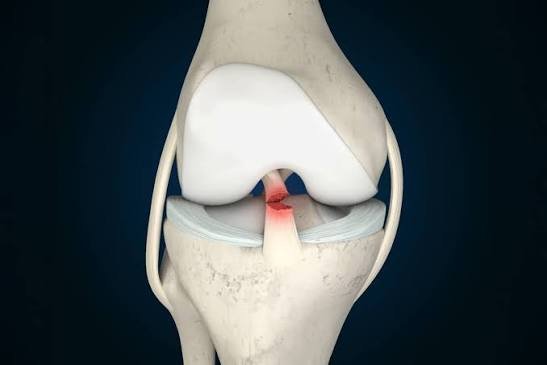
An ACL injury can affect knee stability, confidence, and everyday movement. Moreover, athletes and active individuals often experience ACL injuries during sudden turns, awkward landings, or sports-related movements. Therefore, timely evaluation can help identify the extent of the injury and guide the right treatment approach. In addition, an orthopedic specialist can assess your symptoms, physical stability, activity level, and imaging results before recommending a treatment plan. As a result, patients searching for ACL Surgery In Wardha can receive a structured evaluation focused on restoring knee function and supporting a safe return to daily activities or sports.
ACL Surgery In Wardha

What Is an ACL Injury? |ACL Surgery In Wardha

The anterior cruciate ligament, commonly called the ACL, helps control knee stability during movement. Moreover, this ligament plays an important role when you run, jump, pivot, or change direction. Therefore, a tear can cause instability, swelling, pain, and difficulty performing certain activities. In addition, some patients notice a popping sensation when the injury occurs. As a result, an orthopedic evaluation can help determine whether you have an ACL injury and whether you need rehabilitation, surgical treatment, or another approach.

What Is ACL Surgery?

ACL surgery generally aims to restore knee stability by reconstructing the damaged ligament with a suitable graft. Moreover, surgeons often use arthroscopic techniques that allow them to work through small openings around the knee. Therefore, the exact surgical method depends on factors such as the injury pattern, activity level, age, knee condition, and associated injuries. In addition, your orthopedic surgeon can explain the procedure, expected recovery, rehabilitation requirements, and potential risks before treatment. As a result, patients can make informed decisions about their knee care.

When Do You Need ACL Surgery?

Not every ACL injury requires surgery. Moreover, some people can manage selected injuries with structured physiotherapy and activity modification. Therefore, your orthopedic specialist should evaluate your knee before recommending surgery. In addition, surgery may become an option when significant instability affects sports, work, or daily activities, particularly when the patient wants to return to activities that involve pivoting or sudden direction changes. As a result, an individualized assessment helps determine whether ACL reconstruction fits your needs.
Common Symptoms of an ACL Tear

An ACL injury can produce several noticeable symptoms. Moreover, symptoms can vary depending on the severity of the injury and whether other knee structures also suffered damage. Therefore, seek an orthopedic assessment if you experience:

  • A popping sensation during injury
  • Sudden knee pain
  • Rapid swelling
  • Difficulty putting weight on the leg
  • Knee instability
  • Reduced range of motion
  • Difficulty walking normally
  • Trouble changing direction
  • Pain during sports activities
  • A feeling that the knee may give way

In addition, persistent instability deserves professional evaluation. As a result, timely diagnosis can help you understand your treatment options.

How Does an Orthopedic Doctor Diagnose an ACL Injury?
Your doctor will first discuss how the injury occurred and ask about your symptoms and activity level. Moreover, the specialist can perform physical tests to assess knee stability and movement. Therefore, your doctor may recommend imaging when clinically appropriate. In addition, an MRI can provide detailed information about the ACL and other soft tissues inside the knee. As a result, combining your history, examination, and appropriate imaging can help your specialist create a suitable treatment plan.

ACL Surgery In Wardha for Sports Injuries

Sports such as football, cricket, basketball, badminton, and other activities can place considerable stress on the knee. Moreover, sudden changes in direction and awkward landings can increase the risk of ACL injuries. Therefore, athletes should not ignore persistent swelling or knee instability after a sports injury. In addition, an orthopedic specialist can assess your sporting goals and discuss rehabilitation or surgical options. As a result, a structured treatment plan can support a gradual and safer return to physical activity.

Arthroscopic ACL Reconstruction

Arthroscopic ACL reconstruction uses a small camera and specialized instruments to treat the damaged ligament through small surgical openings. Moreover, this technique allows the surgeon to view structures inside the knee during the procedure. Therefore, the surgeon can address the ACL injury according to the individual surgical plan. In addition, associated problems involving the meniscus or cartilage may require attention when the surgeon identifies them. As a result, arthroscopic treatment can form an important part of modern ACL surgical care for suitable patients.

ACL Graft Options

During ACL reconstruction, the surgeon uses a graft to recreate the function of the damaged ligament. Moreover, surgeons can consider different graft sources depending on the patient’s age, activity level, anatomy, and clinical requirements. Therefore, your surgeon will discuss the most appropriate option during your consultation. In addition, graft selection should consider your long-term activity goals and rehabilitation plan. As a result, personalized planning can help align the procedure with your individual needs.

ACL Surgery and Meniscus Injuries

An ACL tear can occur alongside a meniscus injury. Moreover, the meniscus helps absorb load and supports knee function. Therefore, your doctor may evaluate the meniscus carefully when assessing an ACL injury. In addition, MRI findings and arthroscopic examination can provide useful information about associated damage. As a result, your treatment plan can address the specific structures involved rather than focusing only on the ACL.

Benefits of ACL Reconstruction for Suitable Patients

ACL reconstruction can offer important functional goals for appropriately selected patients. Moreover, restoring knee stability can help patients work toward improved confidence during movement. Therefore, surgery may support patients who want to return to activities that require pivoting, cutting, jumping, or rapid direction changes. In addition, successful recovery requires commitment to rehabilitation and gradual progression. **As a result, surgery and physiotherapy work together to support long-term knee function.

ACL Surgery Recovery

Recovery after ACL surgery requires patience and consistent rehabilitation. Moreover, the recovery timeline can vary according to the surgical technique, graft choice, associated injuries, individual healing, and rehabilitation progress. Therefore, your physiotherapist and orthopedic surgeon can guide you through different stages of recovery. In addition, rehabilitation commonly focuses on reducing swelling, restoring movement, improving muscle strength, developing balance, and gradually increasing functional activity. **As a result, following professional guidance can support steady progress.

Physiotherapy After ACL Surgery

Physiotherapy plays a central role after ACL reconstruction. Moreover, rehabilitation helps rebuild strength and movement control after surgery. Therefore, your physiotherapist can introduce exercises according to your recovery stage and surgical instructions. In addition, later rehabilitation may include balance work, functional movements, running preparation, and sport-specific exercises when appropriate. **As a result, consistent rehabilitation can help you progress toward your individual activity goals.

Returning to Sports After ACL Surgery

Returning to sports requires more than simply waiting for the knee to feel better. Moreover, athletes need adequate strength, stability, coordination, movement control, and confidence before returning to demanding activities. Therefore, your healthcare team can use functional progress and rehabilitation milestones to guide your return. In addition, returning too quickly can increase injury risk. **As a result, athletes should follow a gradual, professionally guided return-to-sport plan.

Things to Consider When Choosing an ACL Specialist

  • Orthopedic qualifications
  • Experience with ACL injuries
  • Knee and sports injury expertise
  • Diagnostic evaluation
  • Arthroscopic surgical experience
  • Rehabilitation planning
  • Physiotherapy coordination
  • Clear explanation of treatment options
  • Follow-up care
  • Individualized recovery planning

What Happens Before ACL Surgery?

Your surgeon will review your medical history, examine your knee, and assess imaging results before surgery. Moreover, the doctor may discuss your activity level, previous injuries, medications, and overall health. Therefore, follow all pre-operative instructions carefully. In addition, your healthcare team can explain the surgical process, rehabilitation plan, expected limitations, and follow-up schedule. As a result, good preparation can help you understand what to expect throughout your treatment journey.

What Happens During ACL Surgery?

During ACL reconstruction, the surgical team follows a planned procedure to address the damaged ligament. Moreover, arthroscopic instruments can help the surgeon view and work inside the knee through small surgical openings. Therefore, the surgeon can reconstruct the ACL using the selected graft according to the individual treatment plan. In addition, the surgeon may address associated knee problems when necessary. As a result, the procedure focuses on restoring stability according to the patient’s specific injury.

Tips for Protecting Your Knee After ACL Treatment

Protecting your knee during recovery requires consistent care. Moreover, rehabilitation exercises help improve strength and movement control. Therefore, follow the activity restrictions and exercise instructions provided by your healthcare team. In addition, progress gradually instead of increasing activity suddenly. Consider these habits:

  • Follow your rehabilitation program
  • Attend scheduled follow-ups
  • Perform prescribed exercises consistently
  • Increase activity gradually
  • Avoid premature return to demanding sports
  • Maintain appropriate muscle strength
  • Work on balance and movement control
  • Follow your surgeon’s instructions


As a result, disciplined recovery can support your long-term knee function.

Preventing Orthopedic Problems

You can support your musculoskeletal health through practical daily habits. Moreover, regular physical activity can help maintain muscle strength and joint mobility. Therefore, consider:

  • Maintain a healthy body weight
  • Exercise regularly
  • Strengthen supporting muscles
  • Warm up before demanding activities
  • Use proper exercise techniques
  • Wear suitable footwear
  • Avoid sudden increases in training
  • Maintain good posture
  • Allow adequate recovery time

In addition, seek professional guidance when recurring pain or movement problems continue.

Frequently Asked Questions

ACL surgery usually involves reconstructing a damaged ACL with a suitable graft to improve knee stability.
No. Some patients may improve with structured rehabilitation, while others may benefit from reconstruction.
Common symptoms include swelling, pain, instability, reduced movement, and difficulty walking or changing direction.
Doctors use medical history, physical examination, and imaging such as MRI when clinically appropriate.
Many ACL reconstructions use arthroscopic techniques, depending on the patient’s condition and surgical plan.
Some ACL injuries may respond to non-surgical management. Your orthopedic specialist can assess your individual condition.
Recovery varies between individuals and depends on the surgery, associated injuries, rehabilitation, and personal progress.

Book an Appointment for ACL Surgery In Wardha

Knee instability after an injury can interfere with sports, work, exercise, and everyday movement. Moreover, an accurate diagnosis helps determine whether you need rehabilitation, surgery, or another treatment approach. Therefore, consider scheduling an appointment with an orthopedic specialist if you experience persistent knee instability, swelling, pain, or difficulty with movement. In addition, bring previous scans, medical reports, prescriptions, and injury details when available. As a result, your specialist can review your condition and discuss the most appropriate next steps.Book an Appointment
Call Now Button