Dr Amit Saoji | Orthopedic Surgeon In Nagpur | Orthopedic Doctor in Nagpur

Arthroscopic Surgery In Betul
Joint pain, stiffness, swelling, and movement problems can affect your work, exercise, and everyday routine. Therefore, Arthroscopic Surgery In Betul can offer a minimally invasive approach for selected joint conditions when conservative treatment does not provide adequate relief. In addition, an orthopedic surgeon can examine your symptoms, review diagnostic reports such as X-rays, MRI scans, or ultrasound, and assess your joint before recommending surgery. These symptoms may be caused by conditions like ligament injuries, meniscus tears, cartilage damage, arthritis, or sports-related trauma. However, arthroscopy does not suit every condition, so your doctor should determine whether this approach matches your specific needs. When appropriate, this procedure may help reduce pain, improve joint function, and support faster recovery compared to traditional open surgery, while also allowing early diagnosis and targeted treatment of internal joint problems.
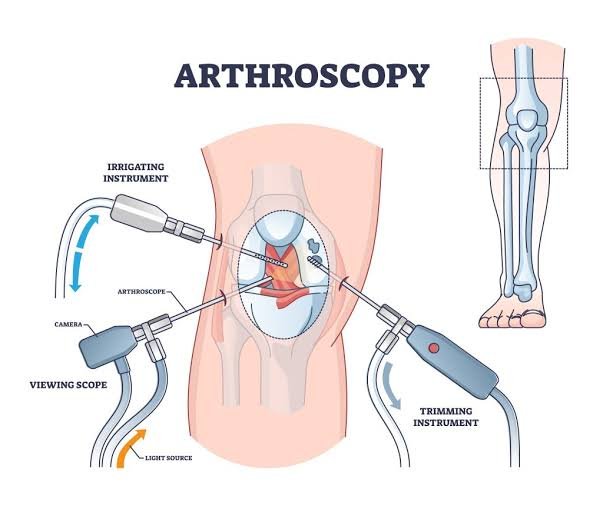
What Is Arthroscopic Surgery? | Arthroscopic Surgery In Betul
Arthroscopic surgery uses a small camera called an arthroscope to view the inside of a joint. Therefore, the surgeon can examine internal structures through small openings and use specialized instruments when treatment requires intervention. In addition, arthroscopy commonly focuses on joints such as the knee, shoulder, ankle, elbow, and wrist. As a result, this technique can help surgeons address certain joint problems through a minimally invasive approach.
How Arthroscopy Works
During an arthroscopic procedure, the surgeon makes small openings around the affected joint and inserts the arthroscope through one opening. Therefore, the camera can transmit a magnified view of the joint to a monitor. In addition, the surgeon can use specialized instruments through other small openings to perform the required procedure. As a result, the surgeon can directly examine the joint and address specific problems according to the treatment plan.
Conditions Treated With Arthroscopy
Arthroscopic treatment can help manage several joint conditions in suitable patients. Therefore, an orthopedic surgeon may consider arthroscopy for problems such as:
- Meniscus injuries
- ACL-related knee problems
- Cartilage damage
- Certain ligament injuries
- Shoulder instability
- Rotator cuff problems
- Joint inflammation
- Loose bodies inside a joint
- Certain ankle injuries
- Some elbow joint conditions
However, the appropriate procedure depends on the diagnosis, severity, symptoms, and overall joint condition.
Arthroscopic Knee Surgery in Betul
The knee often requires arthroscopic treatment for injuries involving the meniscus, cartilage, ligaments, or other internal structures. Therefore, an orthopedic surgeon can evaluate knee pain, locking, swelling, instability, and restricted movement before recommending a procedure. In addition, arthroscopy can allow the surgeon to examine the joint directly and perform specific treatments when appropriate. As a result, suitable patients can receive focused surgical care for certain knee problems.
Arthroscopic Shoulder Surgery
Shoulder problems can affect reaching, lifting, dressing, exercising, and sleeping comfortably. Therefore, an orthopedic specialist may consider shoulder arthroscopy for selected conditions involving the rotator cuff, labrum, instability, or other joint structures. In addition, the surgeon can assess the internal structures of the shoulder and perform the required treatment through small surgical openings. However, your doctor must evaluate your condition carefully before choosing arthroscopy.
Arthroscopic Ankle Surgery | Arthroscopic Surgery In Betul
Ankle injuries and joint problems can sometimes cause persistent pain, swelling, stiffness, or restricted movement. Therefore, an orthopedic specialist may recommend ankle arthroscopy for selected conditions after evaluating the symptoms and diagnostic findings. In addition, the procedure can help the surgeon examine internal joint structures and address specific problems. As a result, suitable patients can receive targeted treatment for certain ankle conditions.
Benefits of Minimally Invasive Joint Surgery
Arthroscopy uses small surgical openings compared with many traditional open procedures. Therefore, the technique can reduce the amount of tissue disruption for appropriate procedures. In addition, many patients may experience smaller surgical wounds and a focused surgical approach. However, outcomes vary according to the joint condition, procedure, individual health, and rehabilitation. As a result, your surgeon should explain the expected benefits and limitations before treatment.
When Should You Consider Arthroscopic Treatment? | Arthroscopic Surgery In Betul
You may consider an orthopedic consultation when joint pain continues despite appropriate non-surgical care or when an injury causes persistent mechanical symptoms. Therefore, symptoms such as repeated locking, instability, swelling, or restricted movement deserve professional evaluation. In addition, your doctor may recommend physiotherapy, medication, activity modification, or other options before considering surgery. As a result, the final treatment decision can reflect your diagnosis and individual circumstances.
Arthroscopy Diagnosis and Treatment
Arthroscopy can provide the surgeon with a direct view of structures inside the joint. Therefore, it can help the surgeon assess certain internal problems during a planned procedure. In addition, the surgeon can sometimes treat the identified problem during the same operation when appropriate. However, your doctor should discuss the procedure beforehand and explain what treatment the surgical plan may include.
Preparing for Arthroscopic Surgery | Arthroscopic Surgery In Betul
Good preparation can help you approach surgery with greater confidence. Therefore, your orthopedic team may review your medical history, current medicines, previous procedures, allergies, and general health before surgery. In addition, your doctor may provide instructions about eating, drinking, medications, transportation, and post-surgery arrangements. As a result, following the surgical team’s instructions can help you prepare appropriately for the procedure.
Recovery After Arthroscopic Surgery
Recovery depends on the joint treated and the type of procedure performed. Therefore, your orthopedic team can create a recovery plan based on your specific surgery and physical condition. In addition, rehabilitation may focus on restoring movement, strength, flexibility, balance, and joint function. However, you should follow your surgeon’s activity restrictions and avoid returning to demanding activities before your healthcare team considers it appropriate.
Physiotherapy After Arthroscopy | Arthroscopic Surgery In Betul
Physiotherapy can support recovery after many arthroscopic procedures. Therefore, a physiotherapist may introduce exercises that gradually improve joint movement and surrounding muscle strength. In addition, therapy can address flexibility, balance, coordination, and functional movement according to your condition. As a result, consistent rehabilitation can help you work toward your everyday activity goals.
Arthroscopic Surgery for Sports Injuries
Sports can place significant demands on the knees, shoulders, ankles, and other joints. Therefore, athletes may experience injuries involving ligaments, cartilage, menisci, or other internal structures. In addition, an orthopedic specialist can evaluate the injury and determine whether arthroscopy forms part of an appropriate treatment plan. As a result, sports-focused rehabilitation can help address strength, movement control, and gradual return-to-activity goals.
Arthroscopy for Meniscus Injuries | Arthroscopic Surgery In Betul
A meniscus tear can cause pain, swelling, catching, locking, or difficulty with certain movements. Therefore, an orthopedic doctor may assess the knee through a physical examination and appropriate imaging. In addition, the doctor can discuss non-surgical management and surgical options based on the type and location of the tear. As a result, suitable patients may receive arthroscopic treatment when their condition requires it.
Arthroscopic ACL Treatment
An ACL injury can affect knee stability and physical activity. Therefore, an orthopedic specialist may evaluate the ligament along with other knee structures before recommending treatment. In addition, some ACL procedures use arthroscopic techniques to support ligament reconstruction or address associated joint problems. However, treatment depends on factors such as injury severity, knee stability, activity goals, and overall health.
Post-Surgery Activity Guidance | Arthroscopic Surgery In Betul
Returning to normal activities requires a gradual approach after arthroscopy. Therefore, your healthcare team may provide specific instructions for walking, driving, work, exercise, and sports. In addition, you should monitor your symptoms and communicate concerns during follow-up appointments. As a result, following professional guidance can help you progress through recovery more safely.
Choosing an Arthroscopic Surgeon in Betul
When searching for Arthroscopic Surgery In Betul, consider the surgeon’s experience with your specific joint condition, diagnostic approach, surgical facilities, rehabilitation support, and follow-up care. Therefore, ask your orthopedic specialist about the proposed procedure and expected recovery. In addition, discuss alternative treatments and potential risks before making a decision. As a result, you can choose treatment based on clear information rather than assumptions.
Why Local Orthopedic Care Can Help | Arthroscopic Surgery In Betul
Access to orthopedic care in Betul can make consultations, follow-ups, and rehabilitation more convenient. Therefore, patients can maintain better continuity when they can attend recommended appointments without unnecessary travel. In addition, local access can make it easier to communicate concerns during recovery. As a result, choosing a suitable orthopedic center can support a more organized treatment journey.
Questions to Ask Before Arthroscopic Surgery
Before surgery, you should understand the proposed treatment and recovery process. Therefore, ask your surgeon about the diagnosis, purpose of arthroscopy, alternative treatments, expected recovery, rehabilitation requirements, activity restrictions, and potential complications. In addition, ask when you can return to work, driving, exercise, or sports based on your specific procedure. As a result, you can prepare realistically for your recovery.
When to Seek Orthopedic Evaluation | Arthroscopic Surgery In Betul
Persistent joint symptoms deserve professional attention when they interfere with everyday activities. Therefore, consider an orthopedic consultation if you experience ongoing pain, repeated swelling, joint locking, instability, or reduced movement. In addition, seek prompt medical attention after a significant injury or when you cannot use the affected joint normally. As a result, early evaluation can help identify the problem and guide appropriate care.
Frequently Asked Questions
Arthroscopic surgery uses a small camera and specialized instruments to examine and treat selected problems inside a joint. Therefore, surgeons can perform many procedures through small surgical openings.
In addition, surgeons commonly use arthroscopy for selected conditions affecting the knee, shoulder, ankle, elbow, wrist, and other joints.
No. Therefore, an orthopedic surgeon should evaluate your diagnosis, symptoms, imaging, overall health, and treatment history before recommending arthroscopy.
Yes, selected meniscus injuries may require arthroscopic treatment. However, the appropriate approach depends on the tear’s characteristics and the patient’s individual condition.
In addition, many patients need rehabilitation after arthroscopic procedures. Your healthcare team can recommend exercises and activity progression based on your surgery.
Many patients work toward returning to sports after suitable arthroscopic treatment and rehabilitation. However, your orthopedic team should assess your recovery before you resume demanding activity.
Patients searching for Arthroscopic Surgery In Betul should consult a qualified orthopedic specialist who can evaluate their condition and explain suitable treatment options.
Book an Arthroscopic Surgery Consultation in Betul
If joint pain or an injury continues to affect your daily routine, consider consulting an experienced orthopedic specialist. Therefore, a professional evaluation can help determine whether arthroscopy or another treatment option suits your condition. In addition, bring previous scans, medical reports, prescriptions, and treatment records when available. Book an appointment for Arthroscopic Surgery In Betul and discuss your joint condition, treatment options, and recovery expectations with an orthopedic specialist. Book An Appointment