Dr Amit Saoji | Orthopedic Surgeon In Nagpur | Orthopedic Doctor in Nagpur

Advanced Arthroscopic Surgery In Seoni
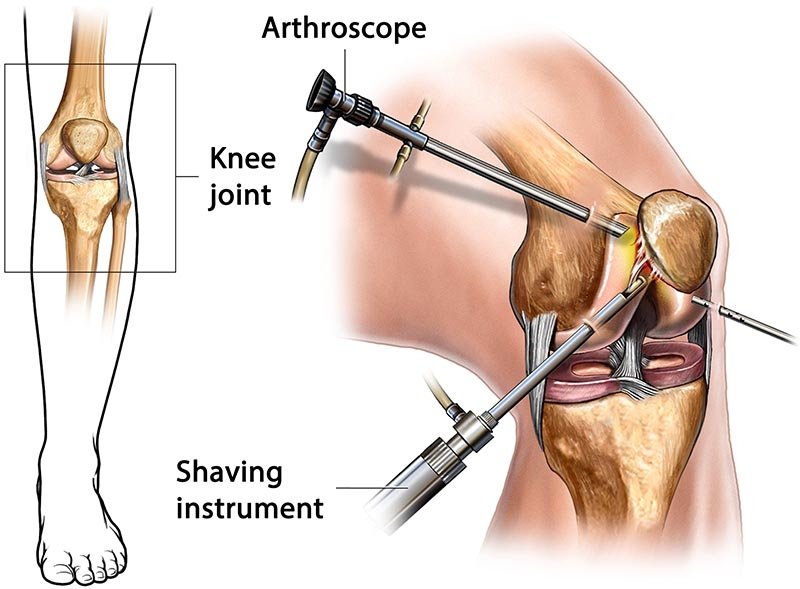
What Is Arthroscopic Surgery? | Arthroscopic Surgery In Seoni
Which Joints Can Arthroscopy Treat?
Arthroscopy can help surgeons diagnose and treat selected conditions affecting several joints. Therefore, orthopedic specialists commonly use arthroscopic techniques for:
- Knee joint problems
- Shoulder conditions
- Ankle injuries
- Elbow problems
- Wrist conditions
- Selected hip problems
In addition, the exact surgical technique depends on the affected joint and underlying condition. However, not every patient needs an arthroscopic procedure. As a result, a detailed orthopedic assessment remains essential before treatment.
Conditions Treated With Arthroscopy
Several injuries and joint conditions can benefit from arthroscopic treatment when appropriate. Therefore, your orthopedic specialist may consider arthroscopy for:
- ACL injuries
- Meniscus tears
- Cartilage damage
- Shoulder instability
- Rotator cuff problems
- Labral injuries
- Loose bodies inside a joint
- Selected ankle injuries
- Certain sports-related joint problems
- Some ligament injuries
In addition, your doctor considers the severity of the condition before recommending surgery. However, conservative treatment may work for some patients. As a result, your specialist should compare all suitable options before choosing arthroscopy.
Arthroscopic Knee Surgery
Arthroscopic Shoulder Surgery
Arthroscopic Ankle Surgery | Arthroscopic Surgery In Seoni
Arthroscopic Elbow Surgery
Sports Injuries Treated With Arthroscopy | Arthroscopic Surgery In Seoni
Symptoms That May Require Arthroscopic Evaluation
Persistent joint symptoms can affect exercise, work, sports, and everyday activities. Therefore, consider an orthopedic evaluation if you experience:
- Persistent joint pain
- Repeated swelling
- Joint stiffness
- Restricted movement
- Clicking or catching
- Joint instability
- Repeated sports injuries
- Difficulty bearing weight
- Weakness around the joint
- Pain that continues despite conservative care
In addition, sudden severe symptoms after an injury may require prompt medical attention. However, symptoms alone cannot confirm the need for arthroscopy. As a result, your specialist should perform a detailed examination before recommending surgery.
Arthroscopy Diagnosis in Seoni | Arthroscopic Surgery In Seoni
When Is Arthroscopic Surgery Necessary?
Benefits of Arthroscopic Surgery|Arthroscopic Surgery In Seoni
Preparing for Arthroscopic Surgery
What Happens During Arthroscopy? | Arthroscopic Surgery In Seoni
Recovery After Arthroscopic Surgery
Physiotherapy After Arthroscopy | Arthroscopic Surgery In Seoni
Returning to Sports After Arthroscopy
Arthroscopy and Meniscus Tears |Arthroscopic Surgery In Seoni
Arthroscopy and ACL Injuries
Arthroscopy and Shoulder Injuries | Arthroscopic Surgery In Seoni
Risks and Important Considerations
Cost of Arthroscopic Surgery in Seoni
Choosing an Arthroscopic Surgeon in Seoni
Choosing the right orthopedic surgeon involves more than selecting the first available option. Therefore, consider the surgeon’s experience with arthroscopic procedures, relevant joint conditions, diagnostic approach, and rehabilitation planning. In addition, choose a specialist who explains the procedure, expected recovery, risks, and alternatives clearly. However, every patient has unique treatment requirements. As a result, a detailed consultation can help you make a more informed decision.