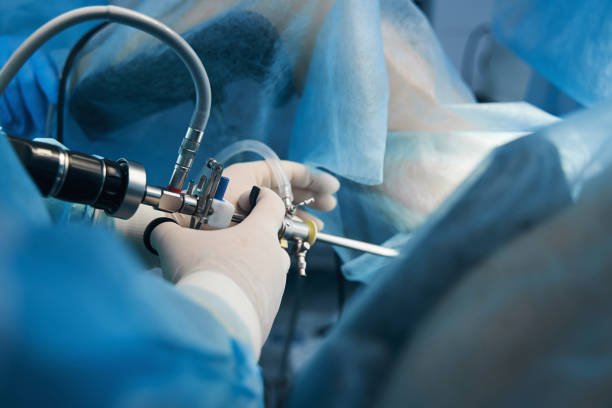
Arthroscopy can provide several potential advantages for appropriately selected patients. Moreover, surgeons use small access points to introduce the camera and specialized instruments into the joint. Therefore, the technique can allow direct visualization and targeted treatment of specific joint problems. In addition, patients may experience less disruption to surrounding tissues compared with some traditional open procedures, depending on the surgery. As a result, your surgeon can discuss the expected benefits and limitations according to your individual condition.
Arthroscopic surgery does not suit every patient or every joint condition. Moreover, some problems respond well to physiotherapy, medication, exercise, or activity modification. Therefore, your orthopedic doctor should evaluate your symptoms and diagnosis before recommending surgery. In addition, factors such as age, activity level, joint condition, previous treatment, and associated injuries can influence the decision. As a result, personalized medical advice provides a safer basis for choosing the appropriate treatment.
Accurate diagnosis helps your doctor choose the right treatment. Moreover, your orthopedic consultation may include questions about your injury, pain pattern, activity level, and previous treatment. Therefore, your doctor can perform a detailed physical examination to assess joint movement, strength, tenderness, and stability. In addition, your doctor may recommend X-rays, MRI scans, CT scans, or other investigations when clinically appropriate. As a result, your specialist can combine clinical findings and imaging to develop an appropriate treatment plan.
Recovery after arthroscopic surgery varies according to the procedure and the patient’s individual condition. Moreover, a simple diagnostic or minor procedure may require a different recovery period than ligament or cartilage surgery. Therefore, your orthopedic surgeon will provide instructions based on the procedure performed. In addition, physiotherapy can help restore movement, strength, balance, and joint function. As a result, following your rehabilitation plan consistently can support your recovery and gradual return to normal activities.
Physiotherapy plays an important role in many arthroscopic recovery programs. Moreover, controlled exercises can help restore joint movement and strengthen the muscles around the affected area. Therefore, your physiotherapist can gradually increase exercise intensity according to your recovery. In addition, rehabilitation can include flexibility, balance, coordination, and functional exercises. As a result, a structured program can help you progress from basic movements toward your everyday activities and, when appropriate, sports.
Athletes should not return to demanding sports simply because pain has reduced. Moreover, sports require adequate strength, balance, coordination, movement control, and confidence. Therefore, your orthopedic and rehabilitation team should assess your progress before clearing you for sports. In addition, sport-specific exercises can gradually prepare your body for running, jumping, pivoting, and other movements. As a result, a staged return-to-sport plan can support a safer progression.
You should consider an orthopedic consultation when joint pain, swelling, stiffness, clicking, locking, or instability continues or interferes with your daily activities. Moreover, symptoms after a sports injury or accident can indicate damage to internal joint structures. Therefore, avoid ignoring persistent symptoms or repeatedly exercising through significant pain. In addition, severe pain, major swelling, deformity, or inability to use a limb requires prompt medical attention. As a result, timely evaluation can help you understand the appropriate next step.
When searching for Arthroscopic Surgery In Yavatmal, consider the surgeon’s orthopedic qualifications, relevant experience, treatment approach, diagnostic process, and rehabilitation planning. Moreover, different joint problems require different surgical techniques and recovery plans. Therefore, ask your doctor about the recommended procedure, expected benefits, possible risks, recovery timeline, and rehabilitation requirements. In addition, clear communication helps you understand your treatment. As a result, you can make a more informed decision about your joint care.