
Dr Amit Saoji | Orthopedic Surgeon In Nagpur | Orthopedic Doctor in Nagpur

Arthroscopic Surgery In Bhandara
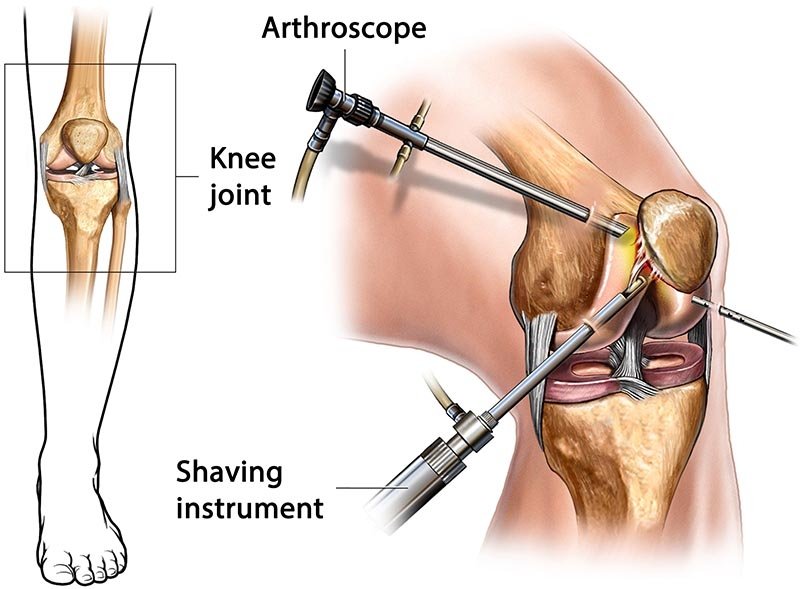
Joint pain, stiffness, swelling, and movement problems can affect your daily routine and physical activity. Moreover, sports injuries, ligament tears, cartilage damage, and certain joint conditions may require specialized orthopedic care. Therefore, patients looking for Arthroscopic Surgery In Bhandara can benefit from a detailed evaluation by an experienced orthopedic specialist. In addition, arthroscopy allows the surgeon to examine the inside of a joint through small openings and treat selected problems using specialized instruments. As a result, suitable patients can receive focused treatment while following a structured recovery plan.
Arthroscopic Surgery In Bhandara

Expert Arthroscopic Surgery In Bhandara

Arthroscopy uses a small camera called an arthroscope to provide a clear view inside a joint. Moreover, the surgeon can use specialized instruments through small openings to address selected joint problems. Therefore, arthroscopic treatment can offer an option for certain conditions when conservative care does not provide enough improvement. In addition, your orthopedic specialist will consider your symptoms, examination findings, imaging results, activity level, and overall health before recommending surgery. As a result, you can receive a treatment plan that matches your specific condition.

What Is Arthroscopic Surgery?

Arthroscopic surgery is a minimally invasive orthopedic procedure that helps doctors examine and treat certain joint conditions. Moreover, surgeons commonly use arthroscopy for selected knee, shoulder, ankle, elbow, and other joint problems. Therefore, the procedure can provide direct visualization of the joint through a small camera. In addition, specialized instruments allow the surgeon to perform appropriate treatments through small access points. As a result, arthroscopy can help manage suitable joint conditions without relying on a larger traditional surgical opening.

Why Choose Arthroscopic Surgery In Bhandara?

Choosing local orthopedic care can make consultations, diagnostic evaluations, surgery planning, and follow-up visits more convenient. Moreover, arthroscopic treatment often requires rehabilitation after the procedure. Therefore, easier access to follow-up care can support consistent recovery. In addition, you should consider the surgeon’s experience, orthopedic expertise, treatment approach, facility standards, and rehabilitation support. As a result, you can make a more informed decision about your joint treatment.
Conditions That May Need Arthroscopy

Orthopedic specialists may consider arthroscopy for several joint conditions. Moreover, the appropriate procedure depends on the affected joint and the specific diagnosis. Therefore, a specialist should evaluate your condition before recommending arthroscopic treatment.

Common conditions may include:

  • ACL injuries
  • Meniscus tears
  • Cartilage injuries
  • Certain ligament injuries
  • Shoulder instability
  • Rotator cuff problems
  • Some shoulder impingement conditions
  • Joint inflammation
  • Loose bodies inside a joint
  • Selected joint-related injuries
  • Certain sports injuries

However, arthroscopy does not suit every orthopedic condition. Therefore, your specialist should recommend it only when it fits your clinical needs.

Knee Arthroscopy In Bhandara
Knee problems can affect walking, running, climbing stairs, squatting, and sports activities. Moreover, meniscus tears, ACL injuries, cartilage problems, and certain joint conditions may require arthroscopic evaluation or treatment. Therefore, persistent pain, swelling, locking, or instability deserves professional assessment. In addition, your orthopedic doctor can review your symptoms and imaging before deciding whether arthroscopy suits your condition. As a result, you can understand your treatment options and recovery requirements.

Shoulder Arthroscopy | Arthroscopic Surgery In Bhandara

Shoulder pain can interfere with lifting, reaching, exercise, work, and sleep. Moreover, shoulder instability, rotator cuff problems, and certain other conditions may require arthroscopic treatment. Therefore, persistent shoulder symptoms should receive an appropriate orthopedic evaluation. In addition, your doctor can assess shoulder movement, strength, stability, and imaging findings before recommending a procedure. As a result, you can receive treatment based on the specific cause of your shoulder problem.

Sports Injury Arthroscopy

Sports activities can place significant stress on the knees and shoulders. Moreover, sudden twisting, falls, collisions, repetitive movements, and awkward landings can cause joint injuries. Therefore, athletes should seek evaluation when pain, swelling, instability, or restricted movement continues after an injury. In addition, arthroscopy may help treat selected ligament, meniscus, cartilage, or shoulder conditions. As a result, appropriate treatment and rehabilitation can support a gradual return to physical activity.

How Does An Orthopedic Doctor Diagnose A Joint Problem?

Your orthopedic consultation usually begins with a discussion about your symptoms, injury history, activities, and previous treatment. Moreover, your doctor can examine joint movement, strength, stability, swelling, and tenderness. Therefore, the specialist may recommend diagnostic imaging when the examination requires additional information. In addition, X-rays, MRI scans, ultrasound, or other investigations can help evaluate specific conditions. As a result, your doctor can determine whether conservative care or a surgical option may suit your condition.

When Should You Consider Arthroscopic Surgery?

You may need an orthopedic consultation when joint pain continues despite appropriate initial care or when an injury causes instability, locking, swelling, or restricted movement. Moreover, some conditions respond well to non-surgical treatment, while others may require surgery. Therefore, do not assume that every joint problem needs arthroscopy. In addition, your orthopedic specialist can compare the benefits and limitations of different treatment approaches. As a result, you can choose a treatment path based on your diagnosis and personal goals.

Benefits Of Arthroscopic Treatment

Arthroscopic procedures can offer several potential advantages for suitable patients. Moreover, the technique uses small access points and specialized instruments. Therefore, many patients may experience less disruption to surrounding tissues compared with some traditional approaches. In addition, arthroscopy allows the surgeon to view the joint directly during treatment. As a result, suitable patients may progress through recovery with a focused rehabilitation plan.

Arthroscopic Surgery Preparation

Proper preparation can help you understand your procedure and recovery process. Moreover, your surgeon may review your medical history, medicines, investigations, and overall health before surgery. Therefore, follow the instructions provided by your medical team regarding food, medicines, tests, and activity. In addition, arrange appropriate support for your early recovery period when necessary. As a result, you can approach the procedure with better preparation and confidence.

What Happens During Arthroscopic Surgery?

During arthroscopy, the surgical team prepares the affected joint and uses an arthroscope to view its internal structures. Moreover, the surgeon can use specialized instruments through additional small openings when treatment requires them. Therefore, the exact procedure depends on the joint condition and the treatment plan. In addition, the surgical team monitors you throughout the procedure. As a result, your care follows a structured process designed around your specific orthopedic problem.

Recovery After Arthroscopic Surgery

Recovery varies according to the joint treated, the procedure performed, your overall health, and your rehabilitation program. Moreover, some patients can resume light activities relatively soon, while complex procedures require a longer recovery period. Therefore, follow your surgeon’s instructions instead of comparing your recovery with another person’s experience. In addition, physiotherapy can help restore movement, strength, stability, and function. As a result, consistent rehabilitation can support steady progress.

Physiotherapy After Arthroscopy

Physiotherapy often forms an important part of arthroscopic recovery. Moreover, your joint may need progressive exercises to regain mobility and strength after surgery. Therefore, a physiotherapist can guide you through exercises according to your recovery stage. In addition, rehabilitation may include flexibility, strengthening, balance, coordination, and functional training. As a result, structured therapy can help you gradually return to your everyday activities.

Returning To Sports After Arthroscopy

Athletes often want to return to training as soon as possible. Moreover, returning too quickly can place unnecessary stress on a healing joint. Therefore, follow a gradual progression guided by your orthopedic and rehabilitation team. In addition, your recovery program may include sport-specific movements before you resume full activity. As a result, you can prepare your body for the demands of your sport more safely.

Arthroscopy For Knee And Shoulder Problems

Knee and shoulder joints commonly experience sports-related and activity-related injuries. Moreover, both joints contain structures that can cause pain, instability, stiffness, or restricted movement when injured. Therefore, a detailed orthopedic assessment can identify the likely source of your symptoms. In addition, your doctor can determine whether physiotherapy, medication, activity modification, injections, arthroscopy, or another treatment approach may suit your condition. As a result, you can avoid unnecessary treatment and focus on an appropriate recovery plan.

Choosing The Right Arthroscopic Surgeon In Bhandara

Choosing a qualified orthopedic surgeon deserves careful consideration. Moreover, arthroscopic procedures require appropriate training, surgical judgment, and knowledge of joint anatomy. Therefore, review the surgeon’s qualifications and experience with your specific condition. In addition, ask about the proposed procedure, expected benefits, possible risks, rehabilitation requirements, and follow-up schedule. As a result, clear information can help you make a confident and informed healthcare decision.

What To Look For

  • Orthopedic qualifications
  • Arthroscopic surgery experience
  • Knee and shoulder expertise
  • Relevant clinical experience
  • Appropriate diagnostic evaluation
  • Clear treatment explanations
  • Rehabilitation planning
  • Follow-up support
  • Individualized treatment approach

Frequently Asked Questions

Arthroscopic surgery uses a small camera and specialized instruments to examine and treat selected joint conditions.

Surgeons commonly use arthroscopy for selected knee and shoulder conditions. They can also use the technique for certain problems involving other joints.

No. Therefore, an orthopedic specialist should evaluate your diagnosis, symptoms, imaging, activity level, and treatment history before recommending arthroscopy.

Arthroscopic techniques commonly play a role in ACL reconstruction. However, your surgeon should determine the appropriate treatment according to your specific injury.

Yes. Surgeons can use arthroscopy to evaluate and treat selected meniscus injuries according to the tear and overall knee condition.

Yes. Orthopedic surgeons can use shoulder arthroscopy for selected conditions involving structures such as the rotator cuff and shoulder joint.

Physiotherapy often supports recovery after arthroscopy. Moreover, rehabilitation can help restore movement, strength, stability, and function.

Book An Appointment For Arthroscopic Surgery In Bhandara

Joint problems can affect your mobility and quality of life. Moreover, appropriate diagnosis can help determine whether conservative treatment or arthroscopic surgery suits your condition. Therefore, consider an orthopedic consultation if persistent pain, swelling, locking, or instability affects your activities. In addition, discuss your lifestyle, symptoms, treatment history, and recovery goals with your specialist. As a result, your doctor can develop an appropriate treatment plan based on your individual needs.Book an Appointment
Call Now Button