
Dr Amit Saoji | Orthopedic Surgeon In Nagpur | Orthopedic Doctor in Nagpur

Advanced Arthroscopic Surgery In Chhindwara
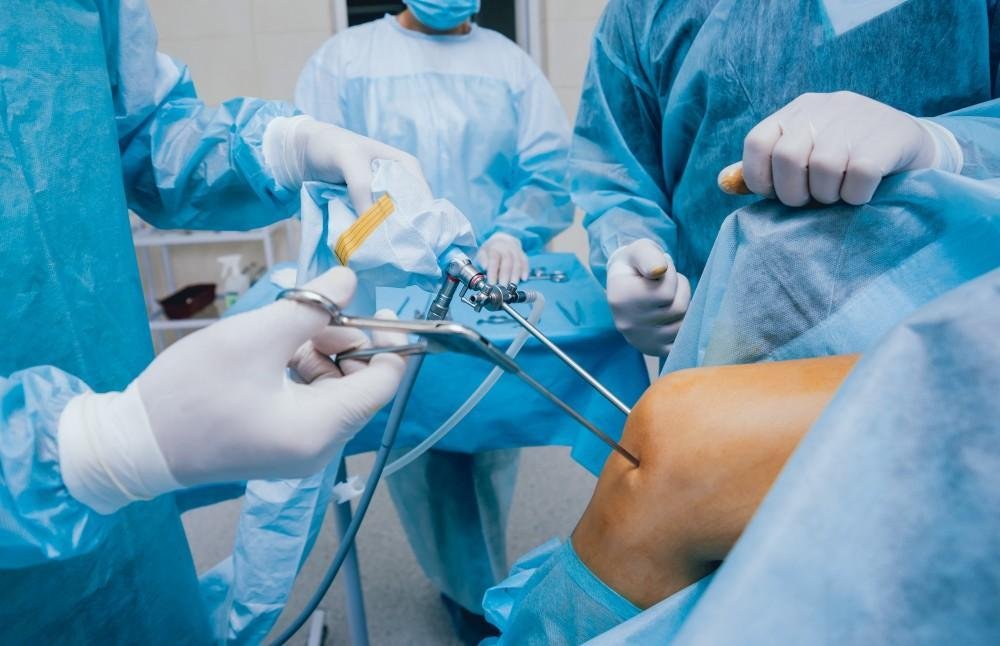
Modern Arthroscopic Surgery In Chhindwara provides a focused approach for diagnosing and treating various joint problems. Therefore, patients can explore specialized care for knee, shoulder, ankle, elbow, and other joint conditions. In addition, an orthopedic specialist reviews your symptoms, medical history, physical condition, and imaging reports before suggesting treatment. However, each patient requires an individual assessment because joint problems can have different causes and severity. As a result, a proper consultation helps your doctor select an appropriate treatment approach for better joint function and recovery.
Arthroscopic Surgery In Chhindwara

What Is Arthroscopic Surgery? | Arthroscopic Surgery In Chhindwara

An arthroscope is a small camera that allows a surgeon to view the inside of a joint through a small opening. Therefore, doctors can identify problems involving cartilage, ligaments, tendons, and other joint structures. In addition, specialized surgical instruments can help the surgeon address certain problems during the same procedure. However, the technique depends on the affected joint and the specific condition. As a result, arthroscopy can provide a targeted option for selected patients who need surgical joint care.

Conditions Treated With Arthroscopy

Several joint conditions can benefit from arthroscopic treatment when conservative care does not provide enough improvement. Therefore, an orthopedic specialist may evaluate patients with:

  • ACL and other ligament injuries
  • Meniscus tears
  • Cartilage damage
  • Shoulder instability
  • Rotator cuff problems
  • Joint inflammation
  • Loose bodies inside a joint
  • Certain ankle injuries
  • Sports-related joint injuries

Furthermore, your doctor evaluates the severity and nature of the problem before recommending surgery. However, arthroscopy does not suit every joint condition. As a result, a detailed orthopedic examination remains essential before selecting a treatment.

Arthroscopic Knee Surgery

Knee arthroscopy can address selected problems such as meniscus tears, ligament injuries, and certain cartilage conditions. Therefore, your orthopedic surgeon evaluates knee movement, pain, stability, and diagnostic scans before recommending a procedure. In addition, the specialist considers your age, activity level, lifestyle, and recovery goals. However, treatment requirements differ between patients. As a result, your doctor can develop an individualized plan that focuses on improving knee function and supporting a gradual return to everyday activities.
Arthroscopic Shoulder Surgery
Shoulder arthroscopy helps doctors manage selected conditions involving the rotator cuff, labrum, shoulder stability, and other joint structures. Therefore, your specialist first determines the cause of pain, weakness, or restricted shoulder movement. In addition, imaging tests can provide useful information about the affected structures. However, surgery may not provide the best option for every shoulder problem. As a result, your doctor may recommend physiotherapy, medication, activity modification, or another suitable treatment when appropriate.
Why Choose Arthroscopic Surgery?
Smaller surgical openings can make arthroscopic procedures an attractive option for suitable patients. Therefore, the technique may reduce disruption to surrounding tissues compared with certain traditional surgical approaches. In addition, a structured rehabilitation program can help improve strength, mobility, and joint function after treatment. However, every procedure carries potential risks and requires proper medical assessment. As a result, patients should follow their orthopedic specialist’s advice and rehabilitation instructions throughout the recovery process.

Your Arthroscopic Surgery Evaluation | Arthroscopic Surgery In Chhindwara

A detailed consultation allows your orthopedic specialist to understand your joint problem before recommending surgery. Therefore, the assessment may include a physical examination, medical history review, and imaging such as X-rays or MRI when necessary. In addition, your doctor can explain the diagnosis, treatment choices, expected recovery, and rehabilitation requirements. However, you should provide accurate information about previous injuries, medications, allergies, and other relevant health details. As a result, your specialist can create a treatment plan that suits your individual needs.

Recovery After Arthroscopic Surgery

Recovery following Arthroscopic Surgery In Chhindwara varies according to the joint treated, procedure performed, and individual healing process. Therefore, your doctor may recommend rest, prescribed medicines, controlled movements, and physiotherapy during different recovery stages. In addition, rehabilitation can help restore flexibility, strength, balance, and joint movement. However, you should avoid demanding physical activities until your doctor confirms that your joint has recovered sufficiently. As a result, following the recommended recovery plan can support steady progress and reduce unnecessary strain.

Physiotherapy and Rehabilitation | Arthroscopic Surgery In Chhindwara

Rehabilitation supports recovery after many arthroscopic procedures by helping patients gradually regain joint function. Therefore, a physiotherapist can design exercises according to your surgery, condition, and recovery stage. In addition, therapy may focus on improving flexibility, strengthening supporting muscles, reducing stiffness, and restoring functional movement. However, exercise intensity should match your doctor’s recommendations and your healing progress. As a result, consistent rehabilitation can help you return to work, sports, and regular activities in a controlled manner.

Why Consult an Orthopedic Specialist in Chhindwara?

Selecting a qualified orthopedic specialist can help you understand your joint condition and available treatment choices. Therefore, the specialist can determine whether arthroscopy may suit your symptoms and diagnosis. In addition, you can discuss potential benefits, risks, recovery expectations, and non-surgical alternatives during the consultation. However, you should not choose surgery simply because it involves smaller incisions. As a result, a professional evaluation remains important for making an informed decision about your joint health.

Benefits of Arthroscopic Treatment | Arthroscopic Surgery In Chhindwara

Several factors can make arthroscopy useful for appropriately selected patients. Therefore, potential benefits may include:

  • Small surgical openings
  • Targeted access to the joint
  • Detailed visualization of internal structures
  • Treatment of selected joint injuries
  • Potentially reduced tissue disruption
  • Support for earlier controlled movement in suitable cases
  • Structured rehabilitation
  • Improved joint function after appropriate treatment

In addition, your doctor will explain which benefits apply to your particular procedure. However, outcomes vary according to the injury, surgical technique, and individual recovery. As a result, realistic expectations remain important before treatment.

When Might You Need Arthroscopy?

Persistent joint symptoms may require further evaluation when conservative treatment does not provide adequate improvement. Therefore, an orthopedic specialist may discuss arthroscopy if you experience:

  • Persistent joint pain
  • Repeated swelling
  • Joint locking or catching
  • Reduced range of motion
  • Joint instability
  • Difficulty walking or exercising
  • Sports-related joint injuries
  • Ongoing symptoms after an injury
  • Limited improvement with conservative treatment

In addition, your doctor will identify the underlying cause before recommending surgery. However, symptoms alone cannot determine whether arthroscopy will help. As a result, professional evaluation remains essential.

Your Arthroscopic Surgery Evaluation | Arthroscopic Surgery In Chhindwara

A detailed consultation allows your orthopedic specialist to understand your joint problem before recommending surgery. Therefore, the assessment may include a physical examination, medical history review, and imaging such as X-rays or MRI when necessary. In addition, your doctor can explain the diagnosis, treatment choices, expected recovery, and rehabilitation requirements. However, you should provide accurate information about previous injuries, medications, allergies, and other relevant health details. As a result, your specialist can create a treatment plan that suits your individual needs.

Diagnostic Tests Before Arthroscopy

Diagnostic testing helps your doctor understand the condition inside and around the joint. Therefore, your evaluation may involve X-rays, MRI scans, or other tests depending on your symptoms. In addition, physical examination findings help your specialist understand joint movement, stability, tenderness, and strength. However, not every patient needs every diagnostic test. As a result, your doctor selects investigations according to your individual condition and suspected joint problem.

Preparing for Arthroscopic Surgery | Arthroscopic Surgery In Chhindwara

Proper preparation can help you approach your procedure with greater confidence. Therefore, your doctor may provide instructions about medicines, food, activity, and other preoperative requirements. In addition, you should arrange transportation and follow all instructions provided by your medical team. However, preparation requirements can differ according to the procedure and your overall health. As a result, following your specialist’s instructions carefully can support a smoother surgical experience.

Recovery After Arthroscopic Surgery

Recovery following Arthroscopic Surgery In Chhindwara varies according to the joint treated, procedure performed, and individual healing process. Therefore, your doctor may recommend rest, prescribed medicines, controlled movements, and physiotherapy during different recovery stages. In addition, rehabilitation can help restore flexibility, strength, balance, and joint movement. However, you should avoid demanding physical activities until your doctor confirms that your joint has recovered sufficiently. As a result, following the recommended recovery plan can support steady progress and reduce unnecessary strain.

Physiotherapy and Rehabilitation | Arthroscopic Surgery In Chhindwara

Rehabilitation supports recovery after many arthroscopic procedures by helping patients gradually regain joint function. Therefore, a physiotherapist can design exercises according to your surgery, condition, and recovery stage. In addition, therapy may focus on improving flexibility, strengthening supporting muscles, reducing stiffness, and restoring functional movement. However, exercise intensity should match your doctor’s recommendations and your healing progress. As a result, consistent rehabilitation can help you return to work, sports, and regular activities in a controlled manner.

Lifestyle Tips After Arthroscopy

Healthy daily habits can support your rehabilitation process after surgery. Therefore, patients should follow their prescribed exercises and maintain appropriate activity levels. In addition, adequate rest and a balanced diet can support general recovery. However, you should avoid exercises or activities that your medical team has not approved. As a result, gradual progression can help protect the healing joint while you regain strength and mobility.

Risks and Considerations | Arthroscopic Surgery In Chhindwara

Every surgical procedure can involve potential risks, and arthroscopy also requires careful medical consideration. Therefore, your orthopedic specialist should explain possible complications before treatment. In addition, you should discuss your medical history, existing medications, allergies, and previous surgeries with your doctor. However, individual risks can vary depending on the procedure and your health. As a result, informed discussion with your surgeon can help you understand the expected benefits and possible concerns.

Why Consult an Orthopedic Specialist in Chhindwara?

Selecting a qualified orthopedic specialist can help you understand your joint condition and available treatment choices. Therefore, the specialist can determine whether arthroscopy may suit your symptoms and diagnosis. In addition, you can discuss potential benefits, risks, recovery expectations, and non-surgical alternatives during the consultation. However, you should not choose surgery simply because it involves smaller incisions. As a result, a professional evaluation remains important for making an informed decision about your joint health.

Arthroscopic Surgery for Sports Injuries | Arthroscopic Surgery In Chhindwara

Sports activities can place significant stress on the knee, shoulder, ankle, and other joints. Therefore, athletes may experience ligament injuries, meniscus tears, cartilage problems, or shoulder instability. In addition, arthroscopic treatment can help selected patients address certain sports-related joint injuries. However, the recovery process should match the demands of the particular sport. As a result, athletes should follow a structured rehabilitation program before returning to training or competition.

Frequently Asked Questions

Arthroscopic surgery uses a small camera and specialized instruments to diagnose and treat selected joint problems through small openings.

Knee and shoulder joints commonly receive arthroscopic treatment. In addition, doctors may use the technique for selected ankle, elbow, and wrist conditions.

Not every patient needs arthroscopy. Therefore, an orthopedic specialist should evaluate your condition before recommending the procedure.

Recovery varies according to the procedure and individual condition. Therefore, your doctor will provide a personalized rehabilitation timeline.

Many patients can gradually return to sports after appropriate rehabilitation. However, your doctor should confirm when you can safely resume athletic activities.

Selected meniscus tears can receive arthroscopic treatment. Therefore, your surgeon will assess the tear’s location, size, symptoms, and overall knee condition.
Return to normal activities depends on the procedure and recovery progress. Therefore, follow your surgeon’s activity restrictions and rehabilitation schedule.

Book a Consultation for Arthroscopic Surgery In Chhindwara

Persistent joint pain can interfere with walking, exercise, work, sports, and everyday activities. Therefore, patients with ongoing pain, swelling, stiffness, instability, or restricted movement should consider an orthopedic consultation. In addition, early evaluation can help identify the underlying problem and clarify suitable treatment options. However, only a qualified medical professional can determine whether arthroscopic surgery fits your condition. As a result, schedule an appointment with an orthopedic specialist in Chhindwara to discuss your symptoms and receive personalized guidance. Book An Appointment
Call Now Button