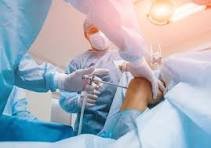
Arthroscopy may become an option when a specific internal joint problem causes ongoing symptoms and requires surgical treatment. Moreover, some patients improve with physiotherapy, activity modification, medication, or other non-surgical approaches. Therefore, your doctor should assess these options before recommending surgery when clinically appropriate. In addition, certain injuries may require earlier surgical consideration because of instability or structural damage. As a result, the timing and suitability of arthroscopy depend on your individual condition.
Arthroscopic procedures can offer several advantages for appropriately selected patients. Moreover, surgeons use small surgical openings to access the joint during many arthroscopic procedures. Therefore, the technique can limit the size of surgical access compared with some traditional approaches. In addition, patients still require proper rehabilitation and follow their surgeon’s instructions after surgery. As a result, arthroscopy can support a structured recovery while addressing the underlying joint problem.
Good preparation can help you understand the procedure and recovery process. Moreover, your surgical team will review your medical history and current medications before surgery. Therefore, provide accurate information about your health, previous procedures, allergies, and medications. In addition, follow the instructions your healthcare team provides about food, medicines, activity, and other preparation requirements. As a result, careful preparation can help you approach surgery with clearer expectations.
During arthroscopy, the surgical team prepares the affected joint and follows the planned procedure. Moreover, the surgeon uses an arthroscope to view the inside of the joint and specialized instruments to perform the required treatment. Therefore, the exact surgical steps vary according to the condition. In addition, the surgeon may repair, trim, reconstruct, or otherwise treat the affected structure when appropriate. As a result, the procedure focuses on the specific problem identified during your evaluation.
Physiotherapy often forms an important part of recovery after arthroscopic procedures. Moreover, controlled exercises can help restore joint movement and strengthen surrounding muscles. Therefore, your physiotherapist can adjust exercises according to your recovery stage and surgical instructions. In addition, later rehabilitation may focus on balance, coordination, functional movements, and activity-specific exercises. As a result, a structured rehabilitation program can help you regain confidence in your joint.
ACL and other ligament injuries can affect knee stability and physical activity. Moreover, athletes may experience these injuries during sudden direction changes, twisting, jumping, or landing. Therefore, an orthopedic specialist should assess instability and associated knee damage before recommending treatment. In addition, selected patients may benefit from arthroscopic ligament reconstruction. As a result, combining appropriate surgery with structured rehabilitation can help suitable patients work toward improved knee stability.
The meniscus helps distribute loads and support knee movement. Moreover, a meniscus tear can cause pain, swelling, clicking, catching, or locking. Therefore, your orthopedic specialist may evaluate the tear using clinical examination and imaging. In addition, treatment depends on factors such as tear location, size, symptoms, age, activity level, and associated injuries. As a result, some patients may benefit from conservative care, while others may require arthroscopic treatment.
Shoulder arthroscopy can help treat selected conditions involving tendons, cartilage, instability, and other internal structures. Moreover, persistent shoulder pain can affect sleep, work, sports, and daily activities. Therefore, a detailed assessment can help determine the source of the symptoms. In addition, your specialist can discuss physiotherapy and other treatment options before considering surgery when appropriate. As a result, patients can receive care that matches their specific shoulder condition.
Choosing an orthopedic service close to home can simplify consultations, follow-ups, and rehabilitation. Moreover, arthroscopic treatment often includes several stages, including diagnosis, surgical planning, recovery, and physiotherapy. Therefore, convenient access can help you maintain continuity throughout your treatment journey. In addition, consider an orthopedic specialist with relevant experience in arthroscopy and sports-related joint conditions. As a result, you can make a more informed decision about your joint care.