Dr Amit Saoji | Orthopedic Surgeon In Nagpur | Orthopedic Doctor in Nagpur

Best ACL Doctor In Bhandara
Expert ACL Care | Best ACL Doctor In Bhandara
What Is The ACL?
Common Causes Of ACL Injuries
Symptoms Of An ACL Injury
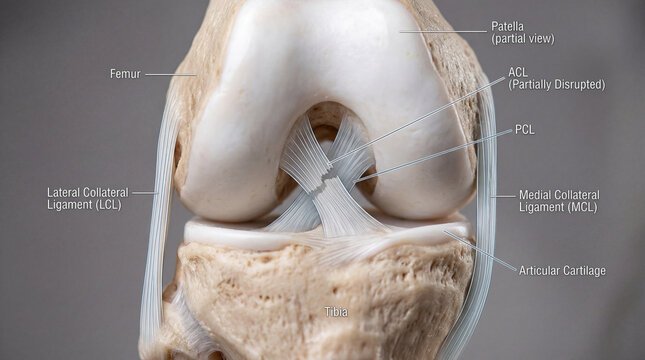
ACL injuries can produce different symptoms depending on the injury and associated damage. Moreover, some people notice symptoms immediately after an accident, while others develop discomfort and instability later. Therefore, seek an orthopedic assessment when knee symptoms continue after an injury.
Common symptoms include:
- Sudden knee pain
- Swelling
- Difficulty walking
- Reduced knee movement
- A feeling of instability
- Difficulty changing direction
- Knee weakness
- Trouble returning to sports
- A popping sensation during injury
- Repeated episodes of knee giving way
In addition, significant swelling or inability to bear weight requires prompt medical attention.
Why Choose The Best ACL Doctor In Bhandara?
How Does An ACL Doctor Diagnose The Injury? | Best ACL Doctor In Bhandara
Can An ACL Tear Heal Without Surgery?
When Does ACL Surgery Become An Option? | Best ACL Doctor In Bhandara
ACL Reconstruction Surgery
Arthroscopic ACL Surgery | Best ACL Doctor In Bhandara
ACL Treatment For Sports Injuries
Benefits Of Proper ACL Treatment | Best ACL Doctor In Bhandara
Preparing For ACL Surgery
Recovery After ACL Surgery | Best ACL Doctor In Bhandara
Physiotherapy After ACL Treatment
Returning To Sports After ACL Treatment | Best ACL Doctor In Bhandara
How To Choose The Best ACL Doctor In Bhandara
Choosing the right ACL specialist requires careful consideration. Moreover, successful ACL care involves diagnosis, treatment planning, surgical expertise when needed, and rehabilitation support. Therefore, consider an orthopedic doctor with relevant experience in ACL injuries and sports-related knee conditions. In addition, ask questions about your diagnosis, treatment choices, surgical technique, rehabilitation, possible risks, and expected recovery. As a result, you can make a healthcare decision based on clear information and your individual goals.
Important Factors To Consider- Orthopedic qualifications
- ACL treatment experience
- Sports injury expertise
- Arthroscopic surgery experience
- Diagnostic approach
- Treatment planning
- Rehabilitation support
- Follow-up care
- Clear communication
- Individualized recovery guidance
Preventing ACL Injuries | Best ACL Doctor In Bhandara
You can reduce some ACL injury risks through proper conditioning and movement techniques. Moreover, strong leg muscles and good neuromuscular control can support knee stability during physical activity. Therefore, include suitable warm-ups, strength exercises, balance work, and sport-specific training in your routine. In addition, increase training intensity gradually and use appropriate movement techniques. As a result, consistent injury-prevention habits can support better knee control during demanding activities.
ACL Injury Prevention Tips- Warm up before sports
- Strengthen the legs and hips
- Practice proper landing techniques
- Improve balance and coordination
- Increase training gradually
- Use appropriate sports equipment
- Maintain good exercise technique
- Allow adequate recovery
- Avoid returning to sport too quickly after injury
- Follow professional rehabilitation guidance