Dr Amit Saoji | Orthopedic Surgeon In Nagpur | Orthopedic Doctor in Nagpur

Best ACL Doctor In Yavatmal
An ACL injury can make walking, running, turning, and playing sports difficult. Moreover, knee instability after an injury can affect your confidence and everyday activities. Therefore, an early evaluation by an experienced orthopedic specialist can help identify the injury and explain suitable treatment options. In addition, the Best ACL Doctor In Yavatmal can assess your knee stability, symptoms, activity goals, and imaging reports before recommending a treatment plan. As a result, patients can understand whether rehabilitation, activity modification, or ACL surgery may suit their individual condition.
Expert ACL Treatment In Yavatmal
Choosing the right ACL specialist can make your treatment journey more organized and focused. Moreover, ACL injuries can vary in severity, and associated meniscus or cartilage injuries can influence treatment decisions. Therefore, a detailed orthopedic assessment remains important before choosing surgery. In addition, your doctor can review your injury history, physical examination findings, MRI reports, and activity requirements. As a result, you can receive a personalized treatment approach that focuses on knee stability, mobility, strength, and your long-term goals.
What Is An ACL Injury?
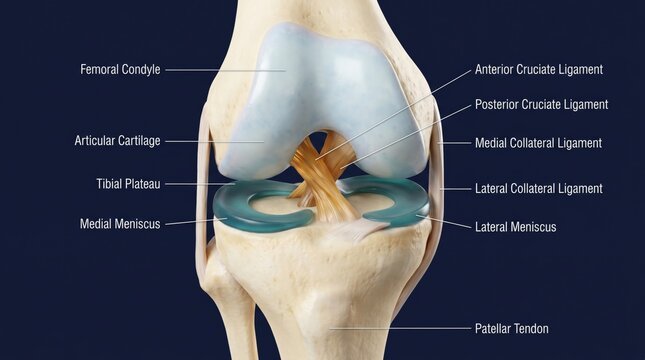
The anterior cruciate ligament, commonly called the ACL, helps control knee stability during movements such as running, jumping, twisting, and changing direction. Moreover, sudden stops, awkward landings, sports collisions, and twisting movements can cause an ACL injury. Therefore, symptoms may include a popping sensation, swelling, pain, reduced movement, and a feeling that the knee may give way. In addition, some patients develop associated meniscus or cartilage injuries. As a result, an orthopedic examination and appropriate imaging can help determine the extent of the injury.
Common ACL Injury Symptoms
ACL injuries can produce different symptoms depending on the severity and associated damage. Moreover, some symptoms can appear immediately after the injury, while others may continue during physical activity.
Common symptoms include:
- Sudden knee pain
- A popping sensation during injury
- Knee swelling
- Difficulty bending or straightening the knee
- Knee instability
- Difficulty walking
- Reduced confidence during sports
- Pain during twisting movements
- Difficulty changing direction
Therefore, persistent symptoms deserve professional evaluation. In addition, early assessment can help you understand the available treatment options.
How An ACL Doctor Diagnoses The Injury
An ACL specialist usually begins with your injury history and a detailed knee examination. Moreover, the doctor can assess knee movement, swelling, stability, tenderness, and muscle strength. Therefore, clinical tests can help identify possible ligament instability. In addition, your doctor may recommend an MRI to examine the ACL and identify associated meniscus, cartilage, or ligament injuries. As a result, combining physical examination and imaging can provide a clearer picture of your knee condition.
ACL Treatment Without Surgery
Not every ACL injury requires reconstruction. Moreover, some patients with partial injuries or lower activity demands may manage their condition with structured rehabilitation. Therefore, your orthopedic specialist should evaluate your knee stability and lifestyle before recommending surgery. In addition, non-surgical care may include physiotherapy, strengthening exercises, activity modification, and gradual functional training. As a result, selected patients can improve knee function and stability without undergoing reconstruction.
When Does ACL Surgery Become Necessary?
ACL reconstruction may suit selected patients who experience significant instability or want to return to activities that require frequent pivoting and direction changes. Moreover, associated meniscus or cartilage injuries can also influence the treatment decision. Therefore, your doctor should consider your age, activity level, knee stability, injury pattern, and personal goals. In addition, rehabilitation remains essential whether you choose surgical or non-surgical treatment. As a result, an individualized assessment can help determine the most appropriate approach.
ACL Reconstruction Surgery
ACL reconstruction replaces the damaged ligament with a suitable graft to help restore knee stability. Moreover, surgeons commonly use arthroscopic techniques to perform ACL reconstruction. Therefore, the surgeon can assess the inside of the knee and address associated problems when appropriate. In addition, the specific graft and surgical technique can vary according to the patient’s condition, activity requirements, and surgeon’s assessment. As a result, your orthopedic specialist can explain the recommended procedure and expected recovery before surgery.
ACL Arthroscopic Surgery In Yavatmal
Arthroscopic ACL surgery uses a small camera and specialized instruments to access the knee joint. Moreover, this approach allows the surgeon to visualize internal knee structures during the procedure. Therefore, arthroscopy can help the surgeon address the ACL injury and selected associated problems. In addition, proper postoperative rehabilitation plays a major role in regaining knee movement and strength. As a result, surgical treatment and rehabilitation work together to support functional recovery.
ACL Surgery For Sports Injuries
Athletes often place high demands on their knees through running, jumping, pivoting, and sudden changes in direction. Moreover, these movements can challenge an injured or unstable ACL. Therefore, athletes who want to return to competitive or recreational sports should receive a detailed orthopedic evaluation. In addition, rehabilitation can focus on strength, balance, coordination, landing technique, and sport-specific movements. As a result, a structured recovery plan can help athletes progress toward their activity goals.
Benefits Of Consulting An ACL Specialist
An ACL-focused orthopedic consultation can help you understand your injury and available treatment choices. Moreover, an experienced specialist can evaluate both the ACL and other structures within the knee. Therefore, the consultation can address instability, pain, swelling, and activity limitations. In addition, your doctor can explain surgical and non-surgical options along with rehabilitation requirements. As a result, you can make a more informed decision based on your individual needs.
ACL Surgery Recovery
ACL recovery requires patience and consistent rehabilitation. Moreover, recovery can vary according to the surgical technique, graft, associated injuries, physical condition, and rehabilitation progress. Therefore, your orthopedic team will create a staged recovery plan. In addition, rehabilitation commonly focuses on restoring knee movement, reducing swelling, strengthening the leg, improving balance, and gradually developing functional control. As a result, following your rehabilitation plan can support steady progress toward normal activities.
Physiotherapy After ACL Surgery
Physiotherapy forms an important part of ACL rehabilitation. Moreover, exercises can help restore knee movement and rebuild strength around the knee and hip. Therefore, your physiotherapist can gradually progress exercises as your recovery advances. In addition, later rehabilitation may include balance training, coordination exercises, running drills, jumping exercises, and sport-specific movements when appropriate. As a result, structured rehabilitation can help prepare the knee for increasing physical demands.
Returning To Sports After ACL Surgery
Returning to sports requires more than simply feeling better. Moreover, athletes need adequate strength, stability, balance, coordination, and movement control before resuming demanding activities. Therefore, your orthopedic and rehabilitation team should assess your functional progress before sports clearance. In addition, a gradual return-to-sport program can help prepare the knee for running, jumping, pivoting, and rapid direction changes. As a result, following professional guidance can support a controlled return to physical activity.
Why Choose The Best ACL Doctor In Yavatmal?
Selecting an ACL specialist involves more than searching for a convenient location. Moreover, you should consider relevant orthopedic qualifications, ACL treatment experience, diagnostic facilities, surgical expertise, rehabilitation support, and communication. Therefore, ask questions about your diagnosis, treatment choices, surgical technique, expected recovery, and rehabilitation plan. In addition, your doctor should explain potential benefits and risks clearly. As a result, informed communication can help you feel more confident about your treatment decision.
ACL Treatment For Active Individuals
An ACL injury can interrupt exercise, sports, work, and other physical activities. Moreover, treatment should consider your current activity level and future goals. Therefore, an orthopedic specialist can create a plan based on your knee stability, injury severity, and desired activities. In addition, rehabilitation can help develop the strength and movement control required for your lifestyle. As a result, individualized care can help you work toward returning to appropriate activities.
When Should You Visit An ACL Doctor?
You should seek an orthopedic evaluation after a knee injury that causes swelling, instability, significant pain, or difficulty walking. Moreover, a popping sensation followed by swelling can indicate a significant internal knee injury. Therefore, avoid returning to sports before receiving appropriate medical advice. In addition, repeated episodes of the knee giving way can increase stress on other knee structures. As a result, timely evaluation can help identify the injury and guide appropriate treatment.
Choosing The Best ACL Doctor In Yavatmal
When searching for the Best ACL Doctor In Yavatmal, look for a qualified orthopedic specialist with relevant experience in sports injuries, ACL treatment, arthroscopic procedures, and rehabilitation planning. Moreover, every ACL injury has different characteristics. Therefore, your doctor should evaluate your specific condition rather than recommend the same treatment for every patient. In addition, discuss the expected recovery, rehabilitation requirements, activity restrictions, and return-to-sport goals. As a result, you can choose treatment with a clearer understanding of your recovery journey.
Frequently Asked Questions
An ACL-focused orthopedic doctor evaluates ACL injuries, knee instability, associated meniscus problems, sports injuries, and other ligament-related conditions.
Moreover, symptoms can include a popping sensation, swelling, pain, instability, and difficulty changing direction. Therefore, an orthopedic examination can help confirm the cause.
No. In addition, selected patients can manage ACL injuries through structured rehabilitation and activity modification.
ACL reconstruction may suit selected patients with significant instability, specific associated injuries, or goals that involve pivoting and high-demand sports.
Surgeons commonly perform ACL reconstruction using arthroscopic techniques. Therefore, your surgeon can explain the specific procedure recommended for your injury.
Recovery varies between individuals. Moreover, the surgical procedure, associated injuries, rehabilitation, physical condition, and activity goals can influence recovery.
Yes, rehabilitation commonly forms an important part of recovery. As a result, structured physiotherapy can help restore movement, strength, balance, and functional control.
Book An Appointment With The Best ACL Doctor In Yavatmal
Don’t allow knee instability to limit your daily activities or sports goals. Moreover, an orthopedic consultation can help you understand whether your symptoms indicate an ACL injury. Therefore, book an appointment if you experience persistent knee pain, swelling, instability, or difficulty returning to physical activities. In addition, bring your MRI scans, X-rays, previous prescriptions, and medical reports if available. As a result, your specialist can review your medical history and provide personalized treatment guidance. Book an Appointment