
Dr Amit Saoji | Orthopedic Surgeon In Nagpur | Orthopedic Doctor in Nagpur

Best Ligament Doctor In Yavatmal

Ligament injuries can affect knee stability, movement, walking, and sports performance. Moreover, an untreated ligament problem can continue to cause discomfort and instability during daily activities. Therefore, an early orthopedic evaluation can help identify the injured ligament and determine suitable treatment options. In addition, the Best Ligament Doctor In Yavatmal can assess your symptoms, injury history, physical condition, and diagnostic reports before recommending a personalized plan. As a result, you can understand your condition clearly and take appropriate steps toward better joint stability and mobility.
Best Ligament Doctor In Yavatmal

Expert Ligament Treatment In Yavatmal

Ligaments connect bones and help stabilize your joints during movement. Moreover, sudden twisting, sports collisions, falls, awkward landings, and repetitive stress can injure these important structures. Therefore, ligament treatment should start with an accurate diagnosis. In addition, your orthopedic specialist can evaluate pain, swelling, instability, movement, and activity limitations. As a result, your doctor can recommend rehabilitation, activity modification, or surgical treatment according to your specific injury.

What Is A Ligament Injury?

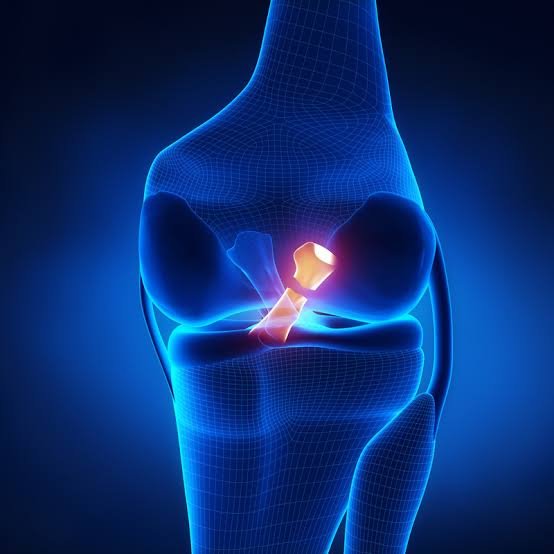
A ligament injury occurs when excessive force stretches or tears a ligament around a joint. Moreover, injuries can range from mild stretching to a complete tear. Therefore, symptoms can vary according to the affected ligament and injury severity. In addition, patients may experience pain, swelling, reduced movement, tenderness, or a feeling of instability. As a result, professional assessment can help determine the extent of the injury and guide appropriate treatment.

Common Ligament Injuries

Ligament injuries can affect different joints, although knee injuries remain particularly common among athletes and physically active people. Moreover, different ligaments require different treatment approaches. Therefore, a specialist should identify the affected structure before recommending care.

Common ligament injuries include:

  • ACL injuries
  • PCL injuries
  • MCL injuries
  • LCL injuries
  • Ankle ligament injuries
  • Shoulder ligament injuries
  • Sports-related ligament injuries
  • Partial ligament tears
  • Complete ligament tears

In addition, associated meniscus, cartilage, or tendon injuries can influence the overall treatment plan.

Symptoms Of A Ligament Injury

Ligament injuries can produce sudden or gradual symptoms. Moreover, symptoms often depend on the location and severity of the injury. Therefore, you should consider an orthopedic consultation when symptoms continue or interfere with normal activities.

Common symptoms include:

  • Joint pain
  • Swelling
  • Bruising
  • Reduced movement
  • Joint instability
  • Difficulty walking
  • Pain during twisting
  • A popping sensation
  • Difficulty participating in sports
  • Repeated joint giving-way

As a result, recognizing these signs early can help you seek appropriate professional care.

How A Ligament Doctor Diagnoses An Injury
A ligament specialist begins by discussing how the injury occurred and what symptoms you experience. Moreover, the doctor performs a physical examination to assess joint movement, tenderness, swelling, and stability. Therefore, clinical tests can provide important information about the affected ligament. In addition, your specialist may recommend an MRI or other imaging when necessary. As a result, combining your medical history, examination, and imaging findings can provide a clearer diagnosis.

Non-Surgical Ligament Treatment | Best Ligament Doctor In Yavatmal

Not every ligament injury requires surgery. Moreover, some partial tears and stable injuries can respond well to structured conservative treatment. Therefore, your doctor may recommend rest, activity modification, physiotherapy, strengthening exercises, or other appropriate measures. In addition, rehabilitation can improve joint stability and restore functional movement. As a result, selected patients can manage their injury without ligament reconstruction.

When Does Ligament Surgery Become Necessary?

Some patients may require surgery when a ligament tear causes significant instability or when the injury interferes with desired activities. Moreover, associated meniscus or cartilage damage can influence the treatment decision. Therefore, your orthopedic specialist should evaluate the complete condition before recommending surgery. In addition, your age, activity level, joint stability, injury pattern, and personal goals can affect treatment planning. As a result, individualized assessment helps your doctor select an appropriate approach.

ACL Ligament Treatment In Yavatmal

The anterior cruciate ligament helps stabilize the knee during running, jumping, twisting, and changes in direction. Moreover, ACL injuries commonly occur during sports and sudden movements. Therefore, persistent swelling, instability, or difficulty returning to sports deserves an orthopedic evaluation. In addition, treatment can involve rehabilitation or ACL reconstruction depending on the injury and individual requirements. As a result, proper diagnosis and structured care can help patients work toward improved knee stability.

PCL, MCL And LCL Treatment

The knee contains several ligaments that work together to maintain stability. Moreover, PCL, MCL, and LCL injuries can occur through sports injuries, falls, collisions, or twisting forces. Therefore, treatment depends on the affected ligament and injury severity. In addition, some injuries respond to rehabilitation, while selected severe injuries may require surgical management. As a result, an accurate diagnosis helps your orthopedic specialist create a treatment plan suited to your condition.

Arthroscopic Ligament Surgery

Arthroscopic techniques allow surgeons to access the joint through small openings using a camera and specialized instruments. Moreover, surgeons commonly use arthroscopic approaches for selected knee ligament procedures, including ACL reconstruction. Therefore, your surgeon can determine whether an arthroscopic procedure suits your injury. In addition, rehabilitation remains an important part of recovery after ligament surgery. As a result, surgical care and structured rehabilitation work together to support the recovery process.

Sports Ligament Injuries

Athletes frequently place high demands on their joints through running, jumping, pivoting, and sudden direction changes. Moreover, these movements can increase the risk of ligament injuries. Therefore, athletes should seek professional evaluation after significant pain, swelling, instability, or a popping sensation. In addition, rehabilitation can address strength, balance, coordination, flexibility, and movement control. As a result, a structured recovery plan can help athletes gradually work toward their performance goals.

Ligament Treatment For Active Individuals

An injury can temporarily limit exercise, sports, work, and recreational activities. Moreover, active individuals often need treatment that considers their future physical demands. Therefore, your ligament specialist can assess your activity level and discuss appropriate treatment options. In addition, rehabilitation can progressively develop strength, stability, balance, and functional control. As a result, individualized treatment can help you work toward returning to suitable physical activities.

Physiotherapy For Ligament Injuries

Physiotherapy can play an important role in both non-surgical and postoperative ligament care. Moreover, targeted exercises can help improve strength, flexibility, balance, and joint control. Therefore, your physiotherapist can gradually increase exercise difficulty according to your recovery. In addition, later-stage rehabilitation may include functional drills and sport-specific exercises when appropriate. As a result, consistent rehabilitation can support improved movement and confidence.

Recovery After Ligament Surgery

Recovery after ligament surgery requires patience and consistent rehabilitation. Moreover, recovery time can vary according to the ligament involved, surgical technique, associated injuries, physical condition, and rehabilitation progress. Therefore, your healthcare team can create a staged recovery plan based on your individual needs. In addition, rehabilitation may focus on restoring movement, reducing swelling, rebuilding strength, and improving stability. As a result, following professional guidance can support gradual progress toward normal activities.

Returning To Sports After Ligament Treatment

Returning to sports requires adequate strength, stability, balance, and movement control. Moreover, feeling less pain does not always mean that the joint has regained full functional readiness. Therefore, athletes should follow their orthopedic and rehabilitation team’s progression before returning to demanding sports. In addition, a gradual program can introduce running, jumping, direction changes, and sport-specific movements at suitable stages. As a result, professional guidance can support a controlled return to physical activity.

Why Choose The Best Ligament Doctor In Yavatmal?

Choosing a ligament specialist requires careful consideration. Moreover, relevant orthopedic qualifications, experience with ligament injuries, diagnostic capabilities, surgical expertise, and rehabilitation support can all matter. Therefore, ask your doctor about the diagnosis, available treatments, expected recovery, rehabilitation, and potential risks. In addition, clear communication can help you understand your options. As a result, you can make a more informed decision about your ligament treatment.

Personalized Ligament Care In Yavatmal

Every ligament injury has different characteristics. Moreover, age, activity level, injury severity, joint stability, associated injuries, and personal goals can influence treatment decisions. Therefore, your specialist should evaluate these factors before creating your treatment plan. In addition, your doctor can modify the plan as your condition changes and your rehabilitation progresses. As a result, personalized care can help address your specific functional needs.

When Should You Visit A Ligament Doctor?

You should seek an orthopedic evaluation after an injury that causes significant pain, swelling, instability, or difficulty using the affected joint. Moreover, a popping sensation followed by swelling can indicate a significant ligament or internal joint injury. Therefore, avoid strenuous activity until you receive appropriate medical guidance. In addition, repeated episodes of joint instability can affect other structures around the joint. As a result, timely evaluation can help identify the problem and guide suitable treatment.

Frequently Asked Questions

A ligament specialist evaluates ACL, PCL, MCL, LCL, ankle, and other ligament injuries affecting joint stability.
Moreover, pain, swelling, instability, reduced movement, bruising, and a popping sensation can occur. Therefore, persistent symptoms deserve professional evaluation.
No. In addition, some partial or stable injuries can improve through appropriate rehabilitation and activity modification.
Surgery may suit selected patients with significant instability, complete tears, associated injuries, or high physical demands.
Yes. Moreover, ACL reconstruction aims to restore stability in selected patients with significant ACL injuries.
Physiotherapy can help selected patients improve strength, balance, mobility, and joint stability. Therefore, your doctor should determine whether conservative care suits your injury.
Many athletes work toward returning to sports after appropriate rehabilitation. As a result, professional assessment should guide the return-to-sport process.

Book An Appointment With The Best Ligament Doctor In Yavatmal

Do not allow ligament pain or instability to restrict your lifestyle. Moreover, an orthopedic consultation can help you understand the cause of your symptoms and available treatment choices. Therefore, schedule an appointment if you experience persistent pain, swelling, instability, or difficulty returning to normal activities. In addition, bring MRI scans, X-rays, previous prescriptions, and medical reports when available. As a result, your specialist can review your history and provide personalized treatment guidance.Book an Appointment
Call Now Button