Dr Amit Saoji | Orthopedic Surgeon In Nagpur | Orthopedic Doctor in Nagpur

Best Ligament Doctor In Wardha
Ligament injuries can affect knee stability, movement, confidence, and sports performance. Moreover, an untreated ligament problem may continue to cause pain or instability during everyday activities. Therefore, choosing the Best Ligament Doctor In Wardha can help you understand your injury and explore suitable treatment options. In addition, an experienced orthopedic specialist can assess your symptoms, physical condition, activity level, and diagnostic reports before recommending a treatment plan. As a result, you can approach your recovery with a clearer understanding of your condition and available options.
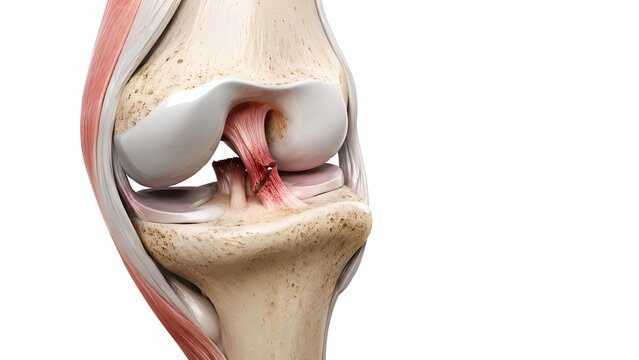
Expert Ligament Treatment In Wardha | Best Ligament Doctor In Wardha
Ligaments connect bones and help stabilize joints during movement. Moreover, sudden twisting, sports injuries, falls, and direct impacts can damage these strong connective tissues. Therefore, ligament injuries require careful evaluation, especially when pain or instability continues. In addition, a specialist can determine whether your injury needs rehabilitation, supportive care, or surgical treatment. As a result, you can receive a treatment approach that matches your injury and lifestyle.
Why Choose The Best Ligament Doctor In Wardha?
Choosing the right ligament specialist can make your treatment journey more informed and structured. Moreover, every ligament injury has different characteristics and recovery requirements. Therefore, a specialist should assess your joint stability, symptoms, injury mechanism, physical activity, and diagnostic findings. In addition, the doctor can explain treatment choices and expected rehabilitation requirements. As a result, you can make informed decisions about your joint health.
What To Look For In A Ligament Specialist
- Orthopedic qualifications
- Experience with ligament injuries
- Sports injury expertise
- ACL treatment experience
- Arthroscopic surgery expertise
- Ligament reconstruction experience
- Detailed clinical evaluation
- Personalized treatment planning
- Rehabilitation guidance
- Clear communication
- Follow-up care
Common Ligament Injuries
Ligament injuries commonly affect the knee, ankle, shoulder, elbow, and other joints. Moreover, sports and sudden movements can place significant stress on these structures. Therefore, persistent pain or joint instability deserves professional evaluation. In addition, early assessment can help identify the extent and type of injury. As a result, your orthopedic specialist can recommend an appropriate treatment strategy.
Common Ligament Problems Include:
- ACL injuries
- PCL injuries
- MCL injuries
- LCL injuries
- Ankle ligament injuries
- Shoulder ligament injuries
- Elbow ligament injuries
- Partial ligament tears
- Complete ligament tears
- Joint instability
- Sports-related ligament injuries
ACL Injuries And Treatment |Best Ligament Doctor In Wardha
The anterior cruciate ligament, or ACL, helps control knee stability during running, jumping, turning, and sudden changes in direction. Moreover, athletes can experience ACL injuries during twisting movements or awkward landings. Therefore, symptoms such as swelling, instability, pain, or a popping sensation require orthopedic assessment. In addition, selected patients can improve with structured rehabilitation, while others may benefit from ACL reconstruction. As a result, your specialist can recommend treatment according to your knee stability, activity requirements, associated injuries, and recovery goals.
PCL Injuries
The posterior cruciate ligament, or PCL, supports stability at the back of the knee. Moreover, strong impacts and certain sports injuries can damage this ligament. Therefore, persistent pain, swelling, or difficulty controlling the knee should receive professional attention. In addition, treatment depends on the injury severity and other affected structures. As a result, an orthopedic evaluation can help determine whether rehabilitation or another treatment approach suits your condition.
MCL And LCL Injuries | Best Ligament Doctor In Wardha
The medial collateral ligament and lateral collateral ligament help stabilize the sides of the knee. Moreover, contact sports, falls, and sudden forces can injure these ligaments. Therefore, pain, swelling, tenderness, or instability after an injury should not remain ignored. In addition, your doctor can assess joint stability and recommend appropriate treatment. As a result, timely care can support a structured recovery process.
How Does A Ligament Doctor Diagnose An Injury?
Your consultation generally starts with questions about the injury, symptoms, activities, and previous treatment. Moreover, the doctor can perform physical tests to assess joint stability and movement. Therefore, imaging may help when the clinical examination requires additional information. In addition, your doctor may consider X-rays or MRI scans depending on the suspected injury. As a result, combining your medical history, examination, and diagnostic findings can provide a clearer picture of your ligament condition.
Non-Surgical Ligament Treatment | Best Ligament Doctor In Wardha
Not every ligament injury requires surgery. Moreover, selected partial injuries and stable joint conditions can respond well to conservative treatment. Therefore, your specialist may recommend rest, activity modification, physiotherapy, strengthening exercises, or other suitable measures. In addition, the treatment plan can change as your joint function improves. As a result, consistent rehabilitation can help restore strength and stability in appropriate cases.
Non-Surgical Options May Include:
- Physiotherapy
- Strengthening exercises
- Mobility exercises
- Activity modification
- Bracing when appropriate
- Pain management
- Balance training
- Gradual return to activity
However, treatment should always match your specific diagnosis. Therefore, avoid starting intensive exercises without professional guidance after a significant ligament injury.
Ligament Reconstruction Surgery | Best Ligament Doctor In Wardha
Some complete ligament injuries can cause persistent instability, particularly in active individuals. Moreover, repeated instability can interfere with sports and everyday movement. Therefore, your orthopedic surgeon may consider ligament reconstruction for selected patients. In addition, the surgeon evaluates the ligament injury, joint stability, activity level, associated damage, and treatment history before recommending surgery. As a result, eligible patients can receive a treatment plan designed around their functional requirements.
Arthroscopic Ligament Treatment
Arthroscopy uses a small camera and specialized instruments to examine and treat selected joint problems through small surgical openings. Moreover, orthopedic surgeons commonly use arthroscopic techniques for various knee conditions. Therefore, suitable ligament injuries may receive arthroscopic treatment or reconstruction when surgery offers a clear clinical benefit. In addition, your surgeon will explain the specific procedure, recovery process, rehabilitation requirements, and potential risks. As a result, you can understand the complete treatment journey before making a decision.
Sports-Related Ligament Injuries | Best Ligament Doctor In Wardha
Athletes often place high demands on their joints through sprinting, jumping, twisting, and sudden direction changes. Moreover, these movements can increase stress on important ligaments. Therefore, athletes should take persistent pain or instability seriously. In addition, appropriate rehabilitation can address strength, balance, flexibility, and movement control. As a result, a structured recovery plan can help athletes progress safely toward their desired activity level.
Physiotherapy After Ligament Treatment
Physiotherapy plays an important role in many ligament recovery programs. Moreover, targeted exercises can improve muscle strength, joint mobility, balance, and movement control. Therefore, your rehabilitation program should progress according to your recovery stage and medical advice. In addition, physiotherapists can gradually increase exercise demands as your function improves. As a result, consistent rehabilitation can support a stronger return to everyday activities and sports.
Recovery After Ligament Surgery | Best Ligament Doctor In Wardha
Recovery varies according to the ligament involved, surgical procedure, associated injuries, overall health, and rehabilitation progress. Moreover, ligament surgery often requires a structured recovery program rather than immediate return to normal activity. Therefore, follow your orthopedic surgeon’s instructions carefully. In addition, attend recommended rehabilitation sessions and progress activities gradually. As a result, consistent care can support improvements in strength, stability, movement, and confidence.
Returning To Sports After Ligament Treatment
Returning to sports requires more than simply feeling comfortable during daily activities. Moreover, athletes need appropriate strength, stability, balance, coordination, and sport-specific movement control. Therefore, follow a progressive rehabilitation program before returning to demanding sports. In addition, your orthopedic and physiotherapy team can assess your progress before increasing activity levels. As a result, a gradual return can help prepare your joint for greater physical demands.
When Should You Visit A Ligament Doctor? | Best Ligament Doctor In Wardha
You should consider an orthopedic consultation after a significant injury or when persistent symptoms affect your movement. Moreover, repeated episodes of joint instability can interfere with daily activities and sports. Therefore, seek professional assessment if you experience ongoing pain, swelling, weakness, or a feeling that your joint may give way. In addition, early evaluation can identify the suspected ligament problem and available treatment options. As a result, you can make timely decisions about your joint health.
Frequently Asked Questions
A ligament doctor treats injuries involving ligaments around joints such as the knee, ankle, shoulder, and elbow.
Sports, sudden twisting, falls, direct impacts, and awkward movements can cause ligament injuries.
Pain, swelling, instability, weakness, reduced movement, and difficulty with sports can indicate a ligament problem.
No. Treatment depends on the ligament, injury severity, joint stability, activity level, and individual circumstances.
Some ACL injuries can receive non-surgical management, while selected patients may require reconstruction. A specialist should assess the injury before recommending treatment.
Ligament reconstruction uses a graft to create a new stabilizing ligament when a damaged ligament requires surgical reconstruction.
Yes. Ligament injuries can significantly affect running, jumping, turning, and other sports movements.
Book An Appointment With The Best Ligament Doctor In Wardha
Ligament injuries can affect your stability, mobility, and active lifestyle. Moreover, the right treatment depends on the location, severity, and type of injury. Therefore, schedule an orthopedic consultation when persistent symptoms continue after an injury. In addition, bring your previous reports and describe your symptoms clearly during the appointment. As a result, your specialist can evaluate your condition and explain suitable treatment options. Book an Appointment