Dr Amit Saoji | Orthopedic Surgeon In Nagpur | Orthopedic Doctor in Nagpur

Expert Shoulder Fracture Treatment In Nagpur
Finding the Best Shoulder Fracture In Nagpur means choosing expert orthopedic care that focuses on accurate diagnosis, suitable treatment, and complete recovery. Moreover, a shoulder fracture can affect the upper arm, collarbone, or shoulder joint and can make everyday movements difficult. Therefore, an orthopedic specialist should assess the injury carefully before recommending treatment. In addition, early evaluation can help identify the fracture pattern, joint involvement, and possible complications. However, every shoulder injury differs, so doctors create treatment plans according to the patient’s condition, fracture severity, activity level, and overall health. As a result, personalized treatment can support bone healing while helping patients regain useful shoulder movement.
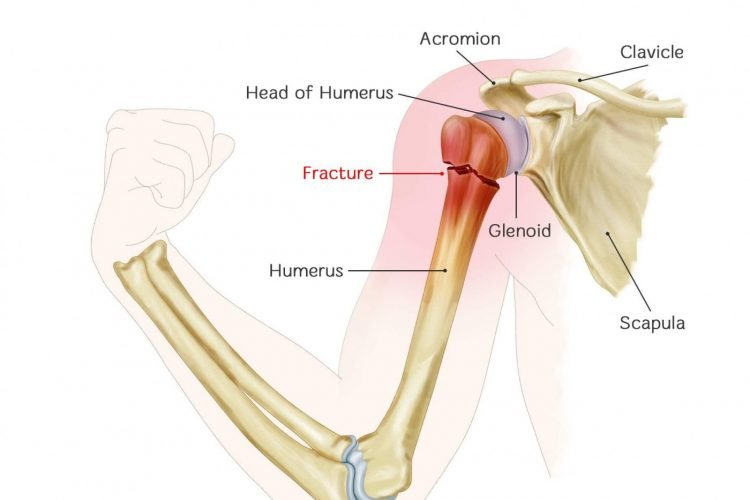
What Is A Shoulder Fracture? | Best Shoulder Fracture In Nagpur
A shoulder fracture occurs when a bone around the shoulder breaks because of trauma, a fall, or another significant impact. Moreover, fractures can involve the collarbone, upper arm bone near the shoulder, or shoulder socket. Therefore, the exact location of the fracture plays an important role in treatment planning. In addition, patients may experience pain, swelling, bruising, stiffness, and difficulty moving the arm. However, symptoms can vary depending on the fracture and the surrounding tissue involvement. As a result, professional orthopedic evaluation remains important after a significant shoulder injury, even when the symptoms initially appear manageable.
Common Causes Of Shoulder Fractures
Falls and direct impacts commonly cause shoulder fractures. Moreover, road accidents, sports injuries, workplace incidents, and other high-impact events can place considerable force on the shoulder. Therefore, people involved in contact sports or physically demanding activities should take appropriate safety precautions. In addition, older adults may face a higher fracture risk when falls occur alongside reduced bone strength. However, younger and active individuals can also experience fractures after sudden trauma. As a result, persistent shoulder pain or restricted arm movement after an accident should receive proper medical attention rather than simple home management.
Symptoms Of A Shoulder Fracture
A shoulder fracture can cause sudden pain around the shoulder or upper arm. Moreover, patients may notice swelling, tenderness, bruising, stiffness, or difficulty lifting and rotating the arm. Therefore, significant pain after a fall or direct impact deserves an orthopedic assessment. In addition, some serious injuries can cause changes in the normal shape or position of the shoulder area. However, symptoms alone cannot determine the exact fracture type. As a result, patients should avoid relying only on pain levels to judge the severity of an injury. A professional examination can provide a clearer understanding of the condition.
Accurate Diagnosis For Shoulder Fractures
Accurate diagnosis helps orthopedic specialists choose appropriate treatment. Moreover, the doctor reviews the patient’s injury history and examines pain, swelling, movement, and shoulder function. Therefore, the specialist can understand how the injury affects the shoulder before planning further care. In addition, X-rays commonly help doctors identify the location and alignment of a fracture. Depending on the injury, the doctor may recommend additional imaging to assess complex fractures or joint involvement. However, doctors consider imaging alongside clinical findings. As a result, a complete evaluation helps create a treatment plan that addresses both bone healing and shoulder function.
Non-Surgical Shoulder Fracture Treatment
Many stable shoulder fractures can receive non-surgical treatment when the doctor considers it appropriate. Moreover, treatment may involve immobilization, activity modification, pain management, and scheduled follow-up appointments. Therefore, patients should follow their orthopedic specialist’s instructions carefully during the healing period. In addition, doctors may gradually introduce shoulder movement and rehabilitation exercises when the injury reaches an appropriate stage of recovery. However, patients should avoid lifting, strenuous exercise, or excessive shoulder movement without medical guidance. As a result, appropriate conservative care can support healing while gradually restoring normal shoulder function.
Surgical Treatment For Complex Shoulder Fractures
Some shoulder fractures may require surgery when the injury significantly affects bone alignment, joint stability, or normal shoulder function. Moreover, an orthopedic surgeon evaluates the fracture pattern and surrounding structures before recommending an operation. Therefore, treatment decisions depend on factors such as fracture location, displacement, joint involvement, age, activity level, and overall health. In addition, surgical procedures can help restore appropriate alignment and provide stability during healing when surgery suits the patient’s condition. However, every case requires individual assessment. As a result, patients should discuss the recommended procedure, expected recovery, rehabilitation, and potential risks with their orthopedic specialist.
Shoulder Fracture Treatment For Different Injuries
Shoulder fractures can involve different bones and areas, so doctors tailor treatment accordingly. Moreover, a collarbone fracture may require a different approach from a fracture involving the upper arm near the shoulder joint. Therefore, accurate identification of the fracture location remains essential. In addition, fractures that extend into the joint may require closer monitoring because joint movement plays an important role in long-term function. However, doctors consider the complete injury before selecting treatment. As a result, personalized orthopedic management can address the specific needs of each patient instead of applying the same treatment to every shoulder fracture.
Shoulder Fracture Rehabilitation
Rehabilitation plays an important role in restoring shoulder movement after the doctor confirms that the joint can safely begin exercise. Moreover, physiotherapy may focus on flexibility, gradual strengthening, coordination, and functional movement. Therefore, patients can progressively work toward using the arm during everyday activities. In addition, a physiotherapist can modify exercises according to healing progress and individual needs. However, patients should not rush into demanding movements before the shoulder becomes ready. As a result, following a structured rehabilitation plan can support functional recovery while reducing unnecessary strain on the healing area.
Recovery After Shoulder Fracture Treatment
Shoulder fracture recovery varies according to the fracture location, severity, treatment method, age, general health, and rehabilitation progress. Moreover, regular follow-up appointments allow the orthopedic specialist to monitor healing and shoulder function. Therefore, patients should attend recommended appointments even when symptoms begin to improve. In addition, gradual activity progression helps the shoulder adapt as strength and movement return. However, patients should avoid heavy lifting and strenuous shoulder activity until their doctor considers those activities appropriate. As a result, patience, consistent follow-up, and appropriate rehabilitation can support a safer return to normal activities.
Why Choose Specialized Orthopedic Care?
Choosing specialized orthopedic care provides patients with professional assessment and individualized treatment planning. Moreover, an experienced orthopedic specialist considers both the fracture itself and the shoulder’s functional requirements. Therefore, treatment can focus on restoring useful movement rather than addressing pain alone. In addition, clear communication helps patients understand their diagnosis, treatment options, recovery expectations, and rehabilitation needs. However, patients should always discuss their individual medical condition directly with their treating doctor. As a result, professional guidance can make the recovery process more structured and help patients make informed decisions about their shoulder health.
Advanced Care For Shoulder Fractures In Nagpur
People searching for the Best Shoulder Fracture In Nagpur should consider orthopedic expertise, diagnostic support, treatment options, rehabilitation services, and follow-up care. Moreover, comprehensive fracture management requires attention to both bone healing and shoulder function. Therefore, patients should choose professional care that evaluates the complete injury before recommending treatment. In addition, timely diagnosis can help the orthopedic team decide whether conservative management or surgical treatment may suit the individual case. However, the appropriate option depends on medical findings rather than the name of the treatment alone. As a result, personalized orthopedic care can provide a clearer path from diagnosis through recovery.
When Should You Visit An Orthopedic Specialist?
You should seek orthopedic care after a fall, accident, sports injury, or direct shoulder impact that causes significant pain or restricted movement. Moreover, severe swelling, unusual shoulder appearance, intense tenderness, or difficulty using the arm requires prompt medical attention. Therefore, patients should not ignore symptoms or continue strenuous activity after a significant injury. In addition, early assessment can help identify fractures that may not appear obvious from external signs. However, only a qualified medical professional can determine the exact injury and appropriate treatment. As a result, timely orthopedic consultation remains an important step after suspected shoulder trauma.
Preventing Further Shoulder Injury
Preventing another injury becomes important during and after fracture recovery. Moreover, patients should follow their doctor’s activity restrictions and gradually rebuild shoulder strength through appropriate rehabilitation. Therefore, returning to sports, heavy lifting, or physically demanding work should happen according to professional guidance. In addition, people can reduce injury risks by using suitable protective equipment during sports and maintaining safe movement practices. However, prevention strategies should match the individual’s age, activity level, and medical condition. As a result, good recovery habits and appropriate precautions can support long-term shoulder health.
Best Shoulder Fracture In Nagpur For Personalized Orthopedic Care
If you are searching for the Best Shoulder Fracture In Nagpur, choose orthopedic care that combines careful diagnosis, individualized treatment, rehabilitation, and follow-up support. Moreover, shoulder fractures require attention to both bone healing and the restoration of arm movement. Therefore, an experienced specialist can evaluate the injury and explain suitable treatment options according to your condition. In addition, consistent follow-up helps monitor progress throughout recovery. However, treatment requirements differ from one patient to another. As a result, personalized medical guidance offers a more appropriate approach than self-treatment or generalized advice.
Frequently Asked Questions
A joint fracture is a break in a bone near or within a joint.
Falls, accidents, sports injuries, and direct impacts commonly cause fractures.
Fractures can affect the knee, hip, shoulder, elbow, wrist, and ankle.
See a doctor after severe pain, swelling, or difficulty moving the joint.
No. Some fractures can heal with non-surgical treatment.
Book An Appointment For Shoulder Fracture Treatment
If you have suffered a shoulder injury and suspect a fracture, arrange an orthopedic consultation for proper evaluation. Moreover, early assessment can help identify the injury and determine suitable treatment. Therefore, consult an experienced orthopedic specialist in Nagpur for personalized shoulder fracture care. In addition, following professional advice throughout treatment and rehabilitation can support a gradual return to normal activities. However, your doctor should determine the appropriate treatment after evaluating your individual condition.
Book an appointment today for professional shoulder fracture evaluation, treatment, and rehabilitation in Nagpur.