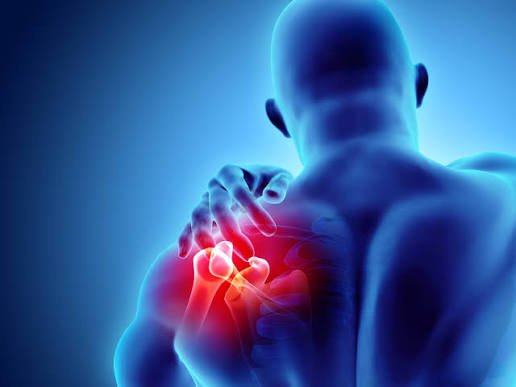
Sports such as cricket, tennis, badminton, swimming, volleyball, and throwing activities can place considerable stress on the shoulder. Moreover, repeated overhead movements can contribute to tendon and joint problems. Therefore, athletes should seek evaluation when shoulder pain persists or affects performance. In addition, rehabilitation can address strength, flexibility, coordination, and movement technique. As a result, a structured recovery plan can help athletes work toward a safer return to activity.
Your orthopedic doctor will first discuss your symptoms, injury history, physical activities, and previous treatment. Moreover, the specialist can examine shoulder movement, strength, stability, and tenderness. Therefore, the doctor may recommend X-rays, ultrasound, MRI, or other investigations when clinically appropriate. In addition, imaging can provide useful information about bones, tendons, muscles, cartilage, and other shoulder structures. As a result, combining clinical examination with suitable imaging can help establish a clearer diagnosis.
Surgery may become an option when structural damage causes persistent pain, instability, or significant functional limitations. Moreover, the decision depends on the specific condition and response to appropriate non-surgical treatment. Therefore, your orthopedic specialist may consider surgery for selected rotator cuff tears, recurrent instability, certain labral injuries, or advanced joint problems. In addition, your age, activity level, general health, and recovery goals can influence the treatment decision. As a result, a detailed evaluation remains essential before choosing surgery.
Shoulder arthroscopy uses a small camera to examine structures inside the shoulder joint. Moreover, specialized instruments can help surgeons treat selected shoulder conditions through small surgical openings. Therefore, arthroscopy may help suitable patients with certain rotator cuff, labral, cartilage, or instability problems. In addition, the exact procedure depends on the diagnosis and surgical plan. As a result, your shoulder specialist can explain whether arthroscopic treatment suits your condition.
Severe shoulder joint damage can significantly affect movement and daily comfort. Moreover, advanced arthritis and certain complex joint conditions may require joint replacement in selected patients. Therefore, your orthopedic surgeon will evaluate the joint condition, symptoms, general health, and functional requirements before discussing replacement. In addition, different replacement approaches may suit different conditions. As a result, individualized assessment can help determine whether shoulder replacement offers meaningful benefits.
Physiotherapy can support recovery from many shoulder conditions. Moreover, appropriate exercises can improve mobility, strength, flexibility, posture, and movement control. Therefore, your physiotherapist can create a program according to your diagnosis and recovery stage. In addition, exercises can gradually progress as your shoulder function improves. As a result, consistent rehabilitation can help you regain confidence during everyday activities.
Rehabilitation plays an important role after many shoulder procedures. Moreover, recovery requires gradual progression rather than immediate return to demanding activities. Therefore, your rehabilitation program may focus on movement, strength, flexibility, and functional control at different stages. In addition, your surgeon and physiotherapist can guide the progression according to your procedure and recovery. As a result, following professional instructions can support a structured recovery journey.
Athletes should regain suitable strength, mobility, stability, and movement control before returning to demanding sports. Moreover, reduced pain alone does not guarantee complete functional recovery. Therefore, rehabilitation may include resistance exercises, balance work, sport-specific movements, throwing drills, or other functional activities. In addition, your orthopedic and physiotherapy team can guide your progression. As a result, a gradual return can help prepare the shoulder for sports demands.
Shoulder pain in older adults can develop from arthritis, tendon problems, previous injuries, or other age-related changes. Moreover, stiffness and weakness can make routine activities increasingly difficult. Therefore, an orthopedic evaluation can help identify the cause and severity of the condition. In addition, the specialist can consider overall health, mobility, daily needs, and personal goals when planning treatment. As a result, individualized care can support better shoulder function.