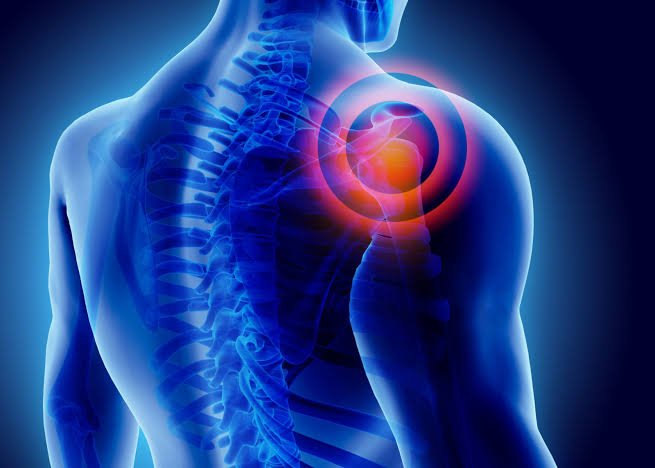
Persistent shoulder discomfort can interfere with work, exercise, sleep, and everyday movement. Therefore, consider consulting the Best Shoulder Pain Doctor In Seoni when pain continues despite appropriate self-care or begins to restrict your activities. In addition, seek evaluation after a significant fall, collision, dislocation, or sudden loss of shoulder movement. However, mild soreness after exercise may improve with suitable rest. As a result, ongoing or worsening symptoms deserve professional assessment.
A detailed examination helps your doctor understand the source of shoulder discomfort. Therefore, your consultation may include a medical history review, physical examination, movement assessment, and strength testing. In addition, X-rays can help assess bones and joint changes, while ultrasound or MRI can provide information about selected soft-tissue problems. However, every patient does not need the same diagnostic tests. As a result, your specialist selects investigations according to your symptoms and examination findings.
Many shoulder conditions can improve through appropriate non-surgical care. Therefore, your specialist may recommend physiotherapy, activity modification, prescribed medication, exercises, or other suitable treatments. In addition, rehabilitation can improve shoulder flexibility, strength, movement control, and functional ability. However, treatment requirements vary according to the underlying condition. As a result, your doctor monitors your progress and adjusts the plan when necessary.
Physiotherapy can support recovery from many shoulder conditions. Therefore, a physiotherapist can create exercises based on your diagnosis, movement limitations, strength, and recovery stage. In addition, therapy may focus on flexibility, muscle strengthening, posture, joint control, and functional movement. However, exercises should match your condition and medical advice. As a result, consistent rehabilitation can help restore useful shoulder movement and improve daily function.
Shoulder arthroscopy uses a small camera and specialized instruments to examine and treat selected problems inside the shoulder joint. Therefore, surgeons can address certain conditions involving the rotator cuff, labrum, joint structures, or shoulder stability through small surgical openings. In addition, arthroscopy allows targeted treatment for suitable patients. However, not every shoulder problem requires an arthroscopic procedure. As a result, your orthopedic surgeon evaluates your diagnosis before recommending this approach.
Some significant rotator cuff tears may require surgical treatment when symptoms and functional limitations persist despite appropriate conservative care. Therefore, your surgeon evaluates tear characteristics, shoulder strength, activity requirements, and overall joint condition. In addition, rehabilitation forms an important part of the recovery process. However, surgical decisions depend on individual circumstances. As a result, your specialist can explain the expected benefits, limitations, risks, and recovery requirements before treatment.
Advanced shoulder joint damage can significantly affect movement and comfort. Therefore, selected patients with severe arthritis or certain complex shoulder conditions may benefit from shoulder replacement. In addition, your surgeon evaluates joint damage, movement, pain, overall health, and functional limitations before considering replacement. However, replacement does not suit every patient with shoulder pain. As a result, a detailed orthopedic assessment remains essential before selecting this treatment.
Proper preparation can help you understand the procedure and recovery process. Therefore, your medical team may recommend health assessments, diagnostic tests, medication instructions, and specific exercises before surgery. In addition, strengthening selected muscles may support rehabilitation when your doctor recommends it. However, preparation requirements vary according to the procedure and individual health. As a result, follow your surgeon’s instructions carefully before undergoing treatment.
Recovery depends on the diagnosis, treatment method, overall health, and rehabilitation progress. Therefore, your doctor may initially focus on pain control, protection, and gradual movement. In addition, physiotherapy can progressively improve flexibility, strength, coordination, and shoulder function. However, returning to heavy lifting or demanding activities too soon can interfere with recovery. As a result, follow your rehabilitation schedule and attend recommended follow-up appointments.
Shoulder recovery should progress according to your treatment and daily requirements. Therefore, your specialist may recommend gradual increases in activities as movement and strength improve. In addition, people with physically demanding jobs may require a different progression from those with desk-based work. However, pain reduction alone does not always indicate complete functional recovery. As a result, follow professional guidance before returning to heavy lifting or repetitive overhead tasks.
You can take practical steps to support healthy shoulder movement and reduce certain injury risks. Therefore, warm up before demanding activities and maintain appropriate shoulder and upper-body strength. In addition, use proper techniques during sports, gym exercises, and manual work. However, prevention cannot eliminate every shoulder injury. As a result, listen to persistent symptoms and seek professional advice when pain continues.
An experienced shoulder specialist can provide a structured approach to diagnosis, treatment, and rehabilitation. Therefore, you can better understand whether conservative care, physiotherapy, arthroscopy, or another treatment may suit your condition. In addition, personalized planning can consider your age, occupation, sport, activity level, and recovery goals. However, medical experience alone cannot guarantee a particular outcome. As a result, choose a specialist who combines clinical expertise with careful evaluation and clear communication.