Surgery may become appropriate for selected injuries that cause significant instability, structural damage, or persistent functional problems. Moreover, some ACL injuries, meniscus tears, ligament injuries, cartilage problems, and certain fractures may require surgical evaluation. Therefore, your surgeon should consider your diagnosis, activity level, injury severity, and personal goals before recommending a procedure. In addition, rehabilitation remains an important part of surgical recovery. As a result, your treatment plan should address both the injury and your long-term functional goals.
Arthroscopy uses a small camera and specialized instruments to access selected joints. Moreover, surgeons commonly use arthroscopic techniques for certain knee and shoulder conditions. Therefore, arthroscopy may help surgeons evaluate and treat selected ligament, meniscus, cartilage, and joint problems. In addition, the exact procedure depends on the injury and clinical findings. As a result, patients can receive a targeted treatment approach when arthroscopy suits their condition.
The ACL plays an important role in knee stability during running, jumping, and direction changes. Moreover, athletes can injure the ACL through twisting movements, awkward landings, or sudden changes in direction. Therefore, a suspected ACL injury requires appropriate orthopedic assessment. In addition, selected patients can benefit from structured rehabilitation, while others may require ACL reconstruction. As a result, treatment can focus on restoring knee stability and supporting a gradual return to sport.
The meniscus helps distribute forces within the knee and supports joint movement. Moreover, athletes can tear the meniscus during twisting or pivoting movements. Therefore, symptoms such as pain, swelling, clicking, or locking may require orthopedic evaluation. In addition, treatment can range from rehabilitation to arthroscopic surgery for selected cases. As a result, an individualized assessment can help determine the most suitable treatment pathway.
The shoulder allows a wide range of movement, which makes it important for many sports. Moreover, throwing, lifting, collisions, and repetitive overhead movements can stress shoulder structures. Therefore, athletes may experience problems involving the rotator cuff, labrum, tendons, or shoulder stability. In addition, persistent shoulder pain or repeated dislocation requires professional evaluation. As a result, early diagnosis can help guide appropriate rehabilitation or surgical treatment when necessary.
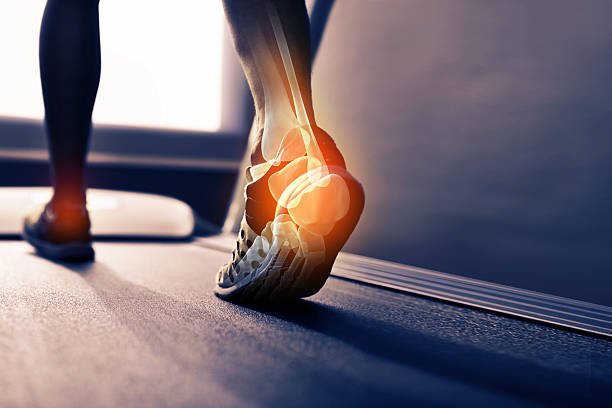
Ankle injuries frequently occur during running, jumping, landing, and rapid changes in direction. Moreover, ankle sprains can affect ligaments and may cause pain, swelling, and difficulty walking. Therefore, athletes should not ignore persistent symptoms after an ankle injury. In addition, rehabilitation can focus on strength, balance, flexibility, and movement control. As a result, structured recovery can help athletes regain confidence in the injured ankle.
Physiotherapy plays an important role in many sports injury recovery plans. Moreover, rehabilitation can help restore strength, flexibility, balance, coordination, and functional movement. Therefore, your physiotherapist can progress exercises according to your recovery stage and sport. In addition, later rehabilitation may include agility, running drills, jumping, and sport-specific movements. As a result, a structured program can help prepare you for appropriate athletic activity.
Recovery depends on the type of surgery, injury severity, associated conditions, physical fitness, and rehabilitation progress. Moreover, different procedures require different activity restrictions and recovery milestones. Therefore, follow your surgeon’s instructions carefully after surgery. In addition, attend recommended physiotherapy sessions and complete your exercises consistently. As a result, disciplined rehabilitation can support gradual improvements in movement, strength, and functional control.
Returning to sports requires more than simply feeling pain-free. Moreover, athletes need appropriate strength, stability, balance, coordination, flexibility, and sport-specific movement control. Therefore, your medical and rehabilitation team should guide your return according to your recovery progress. In addition, gradual training can help your body adapt to increasing physical demands. As a result, a controlled return-to-sport plan can support safer participation.
Appropriate sports injury treatment can help address pain, movement limitations, instability, and reduced performance. Moreover, rehabilitation can focus on restoring strength, flexibility, coordination, and functional control. Therefore, professional evaluation can help identify suitable treatment options. In addition, individualized rehabilitation can address the physical demands of your preferred sport. As a result, you can work toward returning to daily activities and sports with greater confidence.