Dr Amit Saoji | Orthopedic Surgeon In Nagpur | Orthopedic Doctor in Nagpur

Best Sports Injury Doctor In Gondia
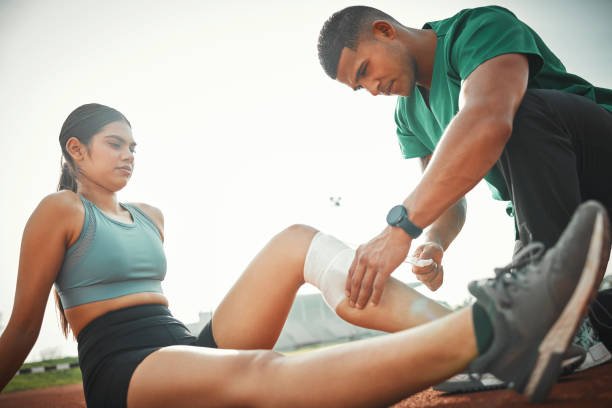
Why Choose The Best Sports Injury Doctor In Gondia?
Common Sports Injuries Treated In Gondia
Sports can place significant stress on the body’s joints and soft tissues. Moreover, improper technique, sudden movements, inadequate conditioning, and accidental impacts can increase injury risk. Therefore, professional assessment becomes important when pain or restricted movement continues.
Common sports injuries include:
- ACL injuries
- PCL injuries
- MCL and LCL injuries
- Meniscus injuries
- Shoulder injuries
- Rotator cuff problems
- Ankle sprains
- Muscle strains
- Tendon injuries
- Tennis elbow
- Sports-related fractures
- Joint instability
- Overuse injuries
In addition, a sports injury specialist can assess associated problems that may affect your recovery.
Symptoms That Need Sports Injury Evaluation
Sports injuries can produce different symptoms depending on the affected body part and injury severity. Moreover, some problems appear immediately, while others develop gradually after repeated activity. Therefore, consider an orthopedic consultation if you experience:
- Persistent joint pain
- Sudden swelling
- Difficulty moving a joint
- Reduced strength
- Joint instability
- A popping sensation
- Difficulty walking or running
- Pain during sports
- Repeated injuries
- Reduced athletic performance
As a result, early evaluation can help identify the problem and establish an appropriate recovery strategy.
ACL Injury Treatment In Gondia
Knee Sports Injury Treatment In Gondia
Shoulder Sports Injury Treatment In Gondia
Ankle And Foot Sports Injuries
Sports Injury Diagnosis In Gondia
Non-Surgical Sports Injury Treatment
Sports Injury Surgery In Gondia
Arthroscopic Sports Injury Treatment
Return To Sports After An Injury
Benefits Of Consulting A Sports Injury Doctor
A sports injury specialist can help you understand your injury and recovery options. Moreover, professional orthopedic care can provide:
- Detailed injury assessment
- Sports-specific treatment planning
- Ligament evaluation
- Knee and shoulder assessment
- Joint stability testing
- Rehabilitation guidance
- Physiotherapy recommendations
- Surgical consultation when appropriate
- Return-to-sport planning
- Injury prevention advice
Therefore, consulting the right specialist can help you follow a structured path toward recovery.